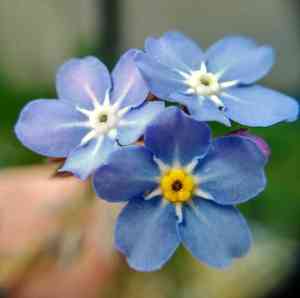
Manyflower stickseed (Hackelia floribunda)
Also known as: Western stickseed, Many-flowered stickseed
Hackelia floribunda, known as manyflower stickseed, is native to western North America. It typically grows in moist areas during the spring.
In This Article
Attributes of Manyflower stickseed
Lifespan
Biennial, Perennial
Plant Type
Herb
Plant Height
30 cm to 91 cm
Spread
Variable, typically narrow
Leaf Color
Green
Flower Size
2.5 cm
Flower Color
Blue
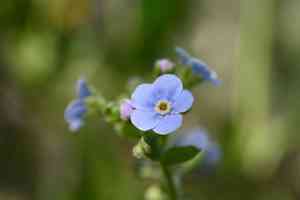
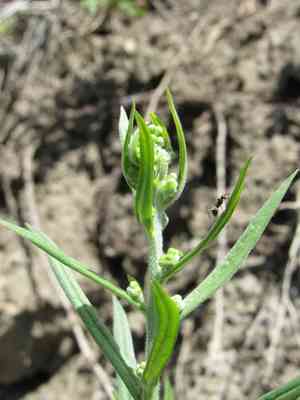
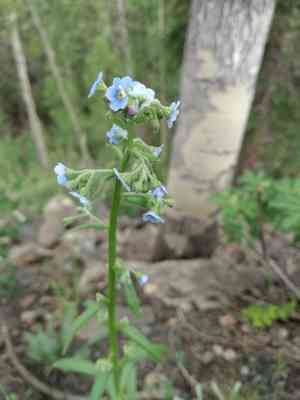
Images of Manyflower stickseed
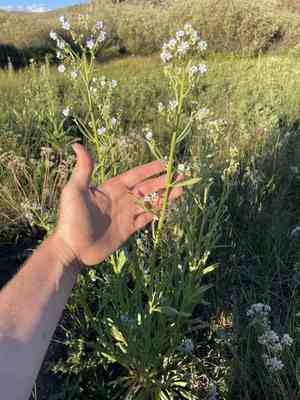
Quickly Identify Manyflower stickseed
1
This plant can be identified by its tall, slender stems which are covered in small, hooked hairs. The leaves are narrow and lance-shaped, and the plant produces numerous small, blue flowers in a raceme.
Scientific Classification of Manyflower stickseed
Phylum
Vascular plants
Class
Dicotyledons
Order
Boraginales
Family
Borage
Genus
Stickseeds
Species
Manyflower stickseed
Planting and Growing of Manyflower stickseed
Care Difficulty
Easy
Watering Schedule
Every 2 days
Sunlight Requirements
Partial sun
Sunshine Duration
6-10 hours
Ideal Temperature
60-75℉
Soil Type
Potting Mix, Peat Mix
Soil pH
6.5-7.5
Fertilizer Type
Balanced
Pruning Season
Spring, Summer
Pruning Area
Branches, Leaves
Pruning Frequency
2 times a year
Repotting Season
Spring
Pot Type
Plastic, Ceramic
 How to Water Manyflower stickseed?
Hackelia floribunda, or 'showy stickseed,' generally prefers moderate watering. Ensure that the soil is moist but not waterlogged. You should feel slight moisture when you press your fingers an inch into the soil.
What are the symptoms of an underwatered Manyflower stickseed?
›
What should I do if my Manyflower stickseed is not getting enough water?
›
What are the symptoms of an overwatered Manyflower stickseed?
›
How to save an overwatered Manyflower stickseed?
›
 What Are the Sunlight Requirements for Manyflower stickseed?
Partial sun is ideal, where Hackelia floribunda benefits from receiving mixed sunlight exposure. Balancing gentle morning rays and protection from harsh afternoon heat supports its growth and flowering cycles.
More About Sunlight Requirements Techniques→
What type of sunlight does Hackelia floribunda need?
›
How can I provide the right light for Hackelia floribunda?
›
What are the benefits of ideal lighting for Hackelia floribunda?
›
 What Is the Ideal Temperature Range for Manyflower stickseed?
Hackelia floribunda thrives best in temperatures between 60°F and 75°F. This range allows the plants to photosynthesize efficiently without stress or energy loss. Consistent temperatures within this range promote optimal growth and flowering.
 What Soil is Best for Manyflower stickseed?
Hackelia floribunda thrives in soils that are rich in organic matter. These nutrients promote robust growth and vibrant blooms, essential for a plant known for its showy appearance. This plant prefers soils with excellent drainage to prevent root rot. Superior drainage ensures the roots have access to oxygen, critical for overall plant health and vigor. Sandy loam's ability to retain moisture while draining excess water is ideal for Hackelia floribunda, ensuring the plant receives adequate hydration without waterlogging.
 How to Fertilize Manyflower stickseed?
Hackelia floribunda prefers a balanced fertilization approach. For liquid fertilizers, apply a solution with a concentration of 10-10-10 (NPK) diluted to half-strength. Use this diluted solution to water the plant, effectively supplying nutrients without overwhelming its delicate root system. This practice ensures that the plant receives adequate nourishment to thrive.
 How to Prune Manyflower stickseed?
Start by identifying the dead, diseased, or damaged stems on your Hackelia floribunda. Using clean, sharp pruning shears, cut these stems back to the base to prevent any disease spread. Next, look for any overly long or leggy stems that detract from the plant's desired bushy form. Trim these back to a healthy bud, which will encourage fuller growth. Throughout the process, aim to make your cuts at a 45-degree angle to promote healing.
More About Pruning Techniques→
 How to Propagate Manyflower stickseed plant?
1
Fill a seed tray with a well-draining potting mix. Sow the seeds evenly across the surface, pressing them lightly into the soil. Water gently to keep the surface moist but not soggy. Place the tray in a warm area with indirect sunlight for germination.
2
Select healthy stems from the parent plant. Using sharp scissors or pruners, cut a 4-6 inch length of stem just below a node. Remove the leaves from the bottom half of the cutting to expose the nodes, which will stimulate root growth.
3
Dip the cut end of the cutting in rooting hormone to promote root growth. Insert the cutting into a pot filled with a well-draining potting mix. Water the soil lightly and cover the cutting with a plastic bag to maintain humidity until roots develop.
 How to Repot Manyflower stickseed plant?
1
Hackelia floribunda typically signals its need for repotting when its roots start aggressively growing through the drainage holes or become tightly coiled, indicating overcrowding. If you notice restricted growth or yellowing leaves, it's time for a fresh start. Spring and summer provide the optimal conditions for repotting, allowing the plant to establish roots during a period of active growth.
2
Select a pot that is 1-2 inches wider in diameter than the current one. This gives the roots space to expand, avoiding both constriction and the perils of over-potting, which can lead to waterlogged roots. A terracotta pot is often preferred due to its breathability, ensuring the soil dries evenly and reducing the risk of root rot.
3
Opt for a well-draining sandy loam mixture, as Hackelia floribunda thrives best in moderate moisture conditions. Such a mix provides excellent drainage while retaining necessary moisture, mimicking the plant's natural environment. Incorporating organic matter boosts nutrients and promotes healthy root growth.
Learn More About Manyflower stickseed Diseases
Anthracnose
Bacterial Leaf Spot
Bacterial Soft Rot
Bacterial Wilt
Crown Gall
Cyst Nematode
Damping-off
Downy Mildew
Drought Stress
Fusarium Wilt
Gray Mold
Leaf Spot
Mosaic
Nutrient Deficiency
Nutrient Toxicity
Powdery Mildew
Root Rot
Root-knot Nematode
Rusts
Sooty Mold
Spider Mites
Temperature Stress
Thrips Damage
White Mold



