How to Prune Nodding stickseed?
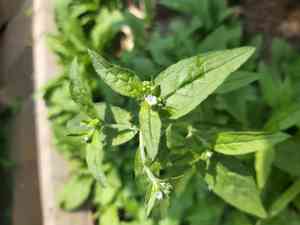
Cynoglossum virginianum is recognized by its drooping blue blossoms and spiky seed pods. Trim Cynoglossum virginianum in the early spring to encourage robust development and preserve its form. Eliminate any lifeless or ailing stalks, and reduce crowded sections to enhance air movement. Periodic trimming during summer or autumn can manage its dimensions and stimulate blooming. Trimming not only boosts its visual charm but also stops the dissemination of plant ailments by getting rid of susceptible sections.
Advantages of Trimming Nodding Stickseed
Advantages of Trimming Nodding Stickseed
Trimming nodding stickseed encourages robust development and preserves its form, helping to manage its spread while stimulating fresh, healthy shoots for a fuller look.
Optimal Time for Pruning Nodding Stickseed
Optimal Time for Pruning Nodding Stickseed
Pruning nodding stickseed during Spring, Summer, and Fall aligns with its active growth phases, promoting faster recovery and healthier regeneration. Spring pruning, done after the last frost, assists in shaping the plant and removing any winter damage, preparing it for vigorous spring and summer growth. Summer pruning, ideally performed early in the season, focuses on maintaining shape and controlling size, which is vital for improving air circulation and light penetration within nodding stickseed's foliage. Fall pruning primarily involves removing old, dead, or diseased stems before the plant enters dormancy. This not only tidies the plant's appearance but also decreases the likelihood of disease and pest infestation during the inactive winter months.
Required Tools for Pruning Nodding Stickseed
Hand Pruners
Perfect for making precise cuts on nodding stickseed's stems, minimizing plant damage. Excellent for removing dead or damaged stems and thinning out dense growth.
Pruning Saw
Useful for cutting through thicker, woodier stems of nodding stickseed that hand pruners cannot manage. Ensures clean cuts without splintering branches.
Shears
Effective for shaping and trimming the overall form of nodding stickseed, especially when dealing with multiple thin stems simultaneously. Encourages a neat growth habit and controls spread.
How to Prune Nodding Stickseed
Identify
Locate and identify the withered or dead leaves on nodding stickseed. These are typically discolored, dried out, and may be impacting the plant's overall appearance and health.
Prepare
Gather the necessary tools for pruning nodding stickseed. Use clean, sharp scissors or secateurs to ensure precise cuts that will help prevent disease and damage to the remaining healthy parts.
Trim
Carefully remove the identified withered leaves at their base, close to the main stem. Avoid pulling leaves off as this can harm the stem and nearby healthy leaves.
Dispose
Collect and properly dispose of the removed leaves. Do not leave them near nodding stickseed as they could harbor pests or diseases that might spread to the plant or other nearby plants.
Inspect
After trimming, thoroughly inspect nodding stickseed to ensure no unhealthy leaves remain and that the plant maintains a balanced shape. This step is crucial for promoting healthy growth.
Common Pruning Errors with Nodding Stickseed
Excessive pruning
Over-pruning is a common error when caring for nodding stickseed. Removing too much foliage at once can stress the plant, potentially hindering its growth and reducing its vitality.
Incorrect cut placements
Cutting too far from a node or into old, woody growth may hinder proper healing and encourage disease. It is crucial to cut just above new buds or leaf nodes to promote healthy regrowth.
Neglecting tool maintenance
Using dull or dirty pruning tools can damage nodding stickseed's stems, leading to jagged cuts that are more susceptible to disease. Regularly cleaning and sharpening tools is essential for making clean, precise cuts.
Uneven trimming
Inconsistent pruning can result in a lopsided appearance and uneven growth. It is important to evenly prune around the entirety of nodding stickseed to maintain its shape and overall health.
General Pruning Advice for Nodding Stickseed
Cut above new growth
Make cuts just above new nodes or leaf joints. This encourages nodding stickseed to grow more densely and can help in promoting a bushier appearance. This is pivotal especially after flowering to encourage denser foliage and potentially more blooms in the next season.
Thin crowded areas
Thinning out crowded sections of nodding stickseed can improve air circulation and light penetration, crucial for reducing the risks of fungal diseases and ensuring robust growth.
Focus on dead or damaged stems
Regularly removing dead, diseased, or damaged stems is vital in maintaining the health of nodding stickseed. This not only promotes newer, healthier growth but also reduces the plantâs vulnerability to pests and diseases.
Shape during active growth
Pruning nodding stickseed during periods of active growth can help guide its shape and size according to your landscaping desires. Focus on maintaining a natural form to enhance aesthetic and plant health.



