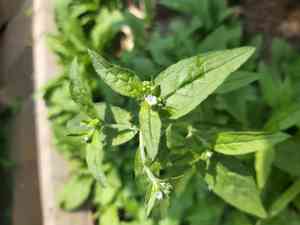
Nodding stickseed (Hackelia deflexa)
Also known as: Nodding Stickseed, Stickseed
Nodding stickseed is a perennial plant known for its clusters of small, blue to purple flowers on upright stems. Its lance-shaped leaves grow alternately, giving it a bushy look. This resilient plant thrives in sunny, rocky crevices and dry, mountainous areas. Its root system is well-suited to extracting nutrients from nutrient-poor soils, allowing it to flourish in tough environments.
In This Article
Attributes of Nodding stickseed
Lifespan
Annual, Biennial, Perennial
Plant Type
Herb
Plant Height
61 cm to 91 cm
Spread
Typically 20 to 40 cm
Leaf Color
Green
Flower Size
0.5 to 1 cm
Flower Color
Pale blue to white
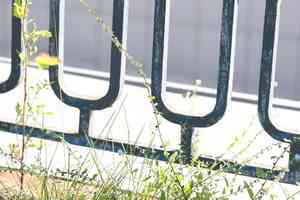
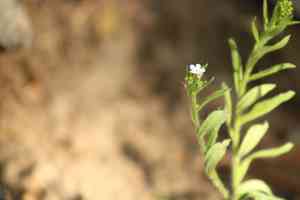
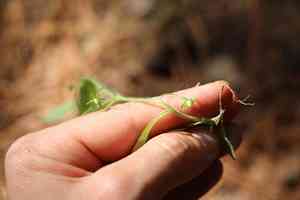
Images of Nodding stickseed
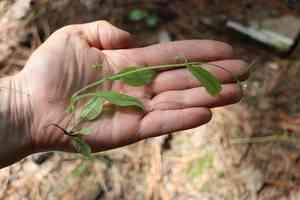
Quickly Identify Nodding stickseed
1
Identification of Hackelia deflexa can be aided by its bristly, hairy leaves and stems. The plant features small, pale blue to white flowers, which nod (hang downward) in clusters. Its fruits are covered in hooked bristles.
Scientific Classification of Nodding stickseed
Phylum
Vascular plants
Class
Dicotyledons
Order
Boraginales
Family
Borage
Genus
Stickseeds
Species
Nodding stickseed
Planting and Growing of Nodding stickseed
Care Difficulty
Moderate
Watering Schedule
Every 2 days
Sunlight Requirements
Partial sun
Sunshine Duration
6-10 hours
Ideal Temperature
60-75℉
Soil Type
Potting Mix, Peat Mix
Soil pH
6.5-7.5
Fertilizer Type
Balanced
Pruning Season
Spring, Summer
Pruning Area
Branches, Leaves
Pruning Frequency
2 times a year
Repotting Season
Spring
Pot Type
Plastic, Ceramic
 How to Water Nodding stickseed?
Ensure the soil around Hackelia deflexa is evenly moist but not soaked. Water to a depth of several inches to allow thorough saturation of the root zone, providing approximately 250 ml of water each time.
What are the symptoms of an underwatered Nodding stickseed?
›
What should I do if my Nodding stickseed is not getting enough water?
›
What are the symptoms of an overwatered Nodding stickseed?
›
How to save an overwatered Nodding stickseed?
›
 What Are the Sunlight Requirements for Nodding stickseed?
Hackelia deflexa excels in areas with partial sun or full shade, thriving under the filtered sunlight which enhances its growth and keeps the foliage vibrant.
Importance of Partial Sun
›
Optimal Shade Environment
›
Adapting to Sunlight Variations
›
 What Is the Ideal Temperature Range for Nodding stickseed?
For optimal growth, Hackelia deflexa thrives best in temperatures ranging from 60°F to 75°F. This range ensures that the plant's metabolic processes occur efficiently, contributing to healthy development and resistance to diseases.
 What Soil is Best for Nodding stickseed?
For Hackelia deflexa, soil with good drainage is vital. This prevents water saturation around the roots, which could lead to root rot—a common issue with many species. Ensuring adequate drainage allows the plant to access the necessary oxygen through the soil, promoting healthy growth and vigorous root systems. This plant appreciates soils that are enriched with organic matter. Rich soils provide essential nutrients, aiding in robust foliage and bloom development. By choosing to enrich the soil with compost or well-rotted manure, you ensure sustained growth and resilience in the plant, especially during its flowering phase. Loamy soil that is well-aerated allows Hackelia deflexa to thrive by facilitating adequate gas exchange within the root zone. Aerated soils support root respiration, ensuring that the plant has access to the carbon dioxide it requires for photosynthesis during daylight hours.
 How to Fertilize Nodding stickseed?
Hackelia deflexa benefits from a moderate application of fertilizer. Use about half the recommended dose of a balanced 10-10-10 NPK fertilizer during the active growing season to prevent over-fertilization, which can harm the plant. Adjust the amount based on the soil and plant response.
 How to Prune Nodding stickseed?
Focus on identifying stems that are either dead, damaged, or crossing over each other. These stems divert the plant's energy and need to be removed for optimal health. Once the problematic stems are removed, you can shape Hackelia deflexa to your preference. Ensure you're keeping the plant's natural growth habit in mind to avoid excessive trimming. Regular checks and minor pruning throughout the growing seasons will keep the plant in prime condition. This prevents overgrowth and manages any signs of disease early.
More About Pruning Techniques→
 How to Propagate Nodding stickseed plant?
1
Collect seeds from mature Hackelia deflexa plants in the late summer or early autumn when the seed pods are dry but before they drop off.
2
Fill a seed tray with potting soil and sow the seeds evenly on the surface. Cover lightly with soil and water gently to moisten the medium.
3
Place the seed tray in a warm, bright location but out of direct sunlight. Keep the soil moist and monitor for germination, which usually occurs in 2-3 weeks.
 How to Repot Nodding stickseed plant?
1
Hackelia deflexa signals repotting needs when root-bound or wiltering prevails. If roots cascade from drainage holes or the plant droplets prematurely, it's time to consider repotting. Optimally, this should occur during active growth seasons, spring or autumn, to minimize transplant shock.
2
Select a pot that is one size larger than the current. It must have adequate drainage holes to prevent waterlogging, which Hackelia deflexa is particularly sensitive to. A terracotta pot is advantageous for its breathability, ensuring excess moisture evaporates efficiently.
3
Opt for a well-draining loamy mix with added sand or perlite. This composition mimics its natural habitat, reducing root rot risk. The airy nature facilitates root expansion while granting just enough moisture retention to support plant health.
Toxicity
Ingestion
WARNING
The judgment on toxicity and danger is for reference only. We DO NOT GUARANTEE any accuracy of such judgment. Therefore, you SHALL NOT rely on such judgment. It is IMPORTANT TO SEEK PROFESSIONAL ADVICE in advance when necessary.
Learn More About Nodding stickseed Diseases
Anthracnose
Bacterial Leaf Spot
Bacterial Soft Rot
Bacterial Wilt
Black Spot
Chemical Injury
Crown Gall
Cyst Nematode
Damping-off
Downy Mildew
Drought Stress
Fusarium Wilt
Gray Mold
Leaf Curl
Leaf Spot
Mosaic
Nutrient Deficiency
Nutrient Toxicity
Powdery Mildew
Root Rot
Root-knot Nematode
Rusts
Sooty Mold
Spider Mites
Temperature Stress
Thrips Damage
White Mold



