How to Prune Okinawan spinach?
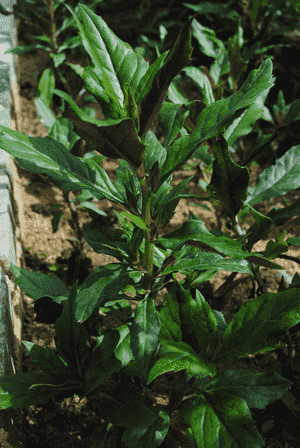
Okinawan spinach, a perennial leafy green featuring velvety, two-toned leaves, flourishes with consistent trimming. To foster a more compact form, snip the terminal buds, particularly on elongated or sparse stalks. While ideally performed in spring or early summer, this practice can extend into autumn to manage its form and dimensions. Eliminate blossoms to safeguard the taste and consistency of the leaves, and discard any discolored or compromised foliage. This practice improves air movement, thereby mitigating fungal problems, and encourages the development of new, flavorful leaves.
What Are the Benefits of Pruning Okinawan Spinach?
What Are the Benefits of Pruning Okinawan Spinach?
Trimming okinawan spinach promotes robust development and helps maintain its desired form. It ensures a compact structure and prevents elongation, leading to a fuller, healthier look.
What Is the Best Time for Pruning Okinawan Spinach?
What Is the Best Time for Pruning Okinawan Spinach?
Trimming okinawan spinach in spring allows for the removal of any cold-damaged leaves and stimulates strong new growth as the plant enters its active phase. Early summer pruning aids in shaping the plant and encourages branching, resulting in a denser plant with increased leaf production, which is highly advantageous for okinawan spinach as a leafy vegetable. Fall pruning prepares okinawan spinach for dormancy by removing older or overgrown foliage, improving light penetration and air circulation, vital for plant health and disease prevention. It's crucial to avoid pruning late in the fall or during winter, as this could trigger new growth susceptible to cold damage.
What Tools Do I Need to Prune Okinawan Spinach?
Hand Pruners
Perfect for making precise cuts on okinawan spinach's delicate stems, minimizing plant harm.
Pruning Shears
Suitable for trimming okinawan spinach's leaves and soft shoots, which encourages healthy growth and maintains plant shape.
Garden Scissors
Useful for detailed shaping and thinning of okinawan spinach due to their accurate cutting ability for fine foliage.
How to Prune Okinawan Spinach
Sanitize
Before trimming okinawan spinach, disinfect your pruning tools with isopropyl alcohol to prevent disease spread.
Remove Diseased Parts
Carefully eliminate diseased leaves and branches from okinawan spinach by cutting at the base of the affected area, ensuring not to harm healthy tissue.
Trim Withered Elements
Cut away any withered leaves and dead branches from okinawan spinach to encourage healthier growth and enhance air circulation.
Clean Cut
Make precise cuts on okinawan spinach using sharp shears to reduce stress and facilitate quicker healing at the cut sites.
Disposal
Discard all removed plant material from okinawan spinach far from healthy plants to prevent the spread of any potential pathogens.
Common Pruning Mistakes with Okinawan Spinach
Overpruning
Removing too much foliage from okinawan spinach at once, which can stress the plant and slow down its growth.
Pruning Into Old Wood
Cutting into the old, hard stems where okinawan spinach is less likely to produce new shoots, leading to bare spots.
Neglecting Tool Hygiene
Not cleaning pruning tools before use, raising the risk of spreading diseases to okinawan spinach.
Ignoring Plant Shape
Pruning without considering the natural growth habit of okinawan spinach, which can result in an unbalanced and aesthetically displeasing appearance.
Tearing Stems
Making improper cuts that tear the stem, which can damage okinawan spinach and create openings for pests and diseases.
Common Pruning Tips for Okinawan Spinach
Sharp Tools
Use sharp, clean shears to make precise cuts on okinawan spinach, which help the plant heal faster and reduce disease risk.
Selective Thinning
Thin out crowded areas to improve air circulation and light penetration, ensuring a healthier okinawan spinach plant.
Prune For Rejuvenation
Cut back the older stems to encourage fresh growth and maintain the vitality of okinawan spinach.
Shape Maintenance
Regularly trim okinawan spinach to maintain desired shape and size, fostering a more aesthetically pleasing plant.
Monitor Growth
Watch for new shoots after pruning and adjust your technique if okinawan spinach does not respond well to encourage desirable growth patterns.



