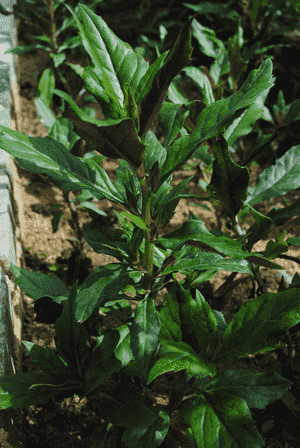
Okinawan spinach (Gynura bicolor)
Also known as: Okinawan spinach, Hong Tong Tsai
Okinawa spinach, which features distinct green leaves with purplish undersides, is a popular plant in Southeast Asian gardens. Often used for ornamental purposes in borders and beds, this versatile plant is also a culinary favorite, frequently added to soups and stir-fries.
In This Article
Attributes of Okinawan spinach
Lifespan
Perennial
Plant Type
Herb
Plant Height
30 cm to 91 cm
Spread
90 cm
Leaf Color
Green
Flower Size
2.5 cm
Flower Color
Orange
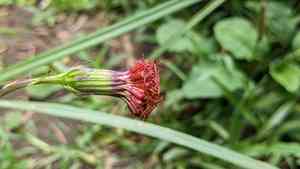
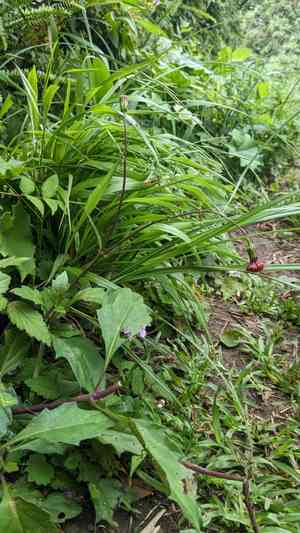
Images of Okinawan spinach
Quickly Identify Okinawan spinach
1
Gynura bicolor can be identified by its unique bicolor leaves, which are green on the top and purplish-red underneath. The leaves are ovate to lanceolate with a serrated margin. The plant also produces small, inconspicuous yellow flowers.
Scientific Classification of Okinawan spinach
Phylum
Vascular plants
Class
Dicotyledons
Order
Asters bellflowers fanflowers and allies
Family
Daisy
Genus
Purple passion
Species
Okinawan spinach
Planting and Growing of Okinawan spinach
Care Difficulty
Easy
Watering Schedule
Every 4 days
Sunlight Requirements
Partial sun
Sunshine Duration
4-8 hours
Ideal Temperature
65-75℉
Soil Type
Potting Mix, Peat Mix
Soil pH
6-7.5
Fertilizer Type
Balanced
Pruning Season
Spring, Summer
Pruning Area
Branches, Leaves
Pruning Frequency
2 times a year
Repotting Season
Spring
Pot Type
Plastic, Ceramic
 How to Water Okinawan spinach?
When watering Gynura bicolor, the goal is to thoroughly moisten the soil, ensuring that water reaches the root zone without waterlogging it. A good principle is to water until you see a small amount seeping out of the drainage holes, indicating enough moisture has reached the roots but no excess remains.
What are the symptoms of an underwatered Okinawan spinach?
›
What should I do if my Okinawan spinach is not getting enough water?
›
What are the symptoms of an overwatered Okinawan spinach?
›
How to save an overwatered Okinawan spinach?
›
 What Are the Sunlight Requirements for Okinawan spinach?
Partial sun is best for Gynura bicolor, as it involves 4 to 6 hours of sunlight. This helps maintain its vibrant color and compact growth form, maximizing health and visual appeal.
More About Sunlight Requirements Techniques→
How much light does Gynura bicolor need?
›
What are the best solutions for this lighting condition?
›
What benefits does ideal lighting offer?
›
 What Is the Ideal Temperature Range for Okinawan spinach?
The ideal temperature range for Gynura bicolor is between 65°F to 75°F. Staying within this range ensures optimal growth and health of the plant. Gynura bicolor thrives at moderate temperatures and maintaining consistency helps in sustaining its vivid foliage colors and overall vitality. Deviations might stress the plant, leading to stunted growth or susceptibility to diseases.
 What Soil is Best for Okinawan spinach?
Gynura bicolor thrives best in soils that can retain moisture while still allowing for adequate drainage. This condition helps prevent root rot and supplies sufficient hydration, essential for the plant's lush growth. A soil mix abundant in organic matter provides necessary nutrients for Gynura bicolor, fostering robust growth and enhancing foliage coloration. Compost or well-rotted manure can be beneficial to meet this requirement. An airy soil structure aids in root growth and allows for good water and air circulation. This is crucial for Gynura bicolor as compacted soil can limit root expansion and hinder overall plant health.
 How to Fertilize Okinawan spinach?
Gynura bicolor should be fertilized with a balanced, water-soluble fertilizer at a rate of 1/4 teaspoon per gallon of water if using liquid fertilizers or follow the manufacturer's instructions for slow-release granules. Adjust the amount based on the size of the plant and pot.
 How to Prune Okinawan spinach?
Regular pruning is crucial to maintain the shape and size of Gynura bicolor. Trim back overgrown branches and ensure that the plant keeps a bushy, attractive appearance rather than becoming leggy and sparse. To encourage a bushier growth habit, pinch off the tips of new shoots. This will stimulate the plant to produce more lateral branches, thus enhancing its fullness and overall vitality.
More About Pruning Techniques→
 How to Propagate Okinawan spinach plant?
1
Choose a healthy stem from the mother plant that is free from disease and damage. The ideal length for a cutting is about 4-6 inches with several healthy leaves attached.
2
Remove the lower leaves on the stem cutting, leaving a couple at the top. Dip the cut end in rooting hormone to enhance root growth and tap off any excess powder.
3
Insert the cutting into a pot filled with moist soil or a suitable propagation medium. Ensure that the cutting is stable and place it in a location with indirect sunlight.
 How to Repot Okinawan spinach plant?
1
Gynura bicolor needs repotting when you notice roots growing out of the drainage holes, or if the plant appears to have stunted growth. Early spring is an ideal time as the plant is just beginning its active growth period.
2
Selecting the right pot for Gynura bicolor involves ensuring it is only slightly larger than the current one, with good drainage holes. This prevents waterlogging, helping to maintain healthy roots and vigorous growth.
3
Opt for a well-draining, organic-rich soil mix. Aim for a balance that retains moisture while allowing excess to drain, preventing root rot and ensuring a healthy environment for the plant.
Learn More About Okinawan spinach Diseases
Anthracnose
Bacterial Leaf Spot
Bacterial Soft Rot
Damping-off
Downy Mildew
Drought Stress
Fusarium Wilt
Gray Mold
Leaf Curl
Leaf Spot
Mosaic
Nutrient Deficiency
Nutrient Toxicity
Powdery Mildew
Root Rot
Root-knot Nematode
Sooty Mold
Spider Mites
Temperature Stress
Thrips Damage
White Mold
Chemical Injury



