How to Prune Scented oakfern?
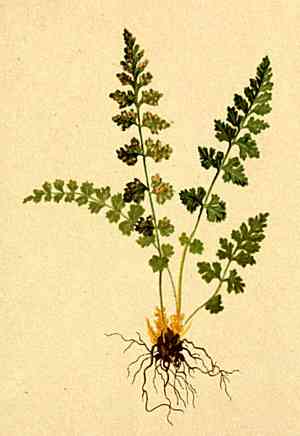
A graceful fern boasting an aromatic characteristic, scented oakfern thrives with minimal maintenance. Trim away withered fronds to stimulate robust development, ideally performed in spring or summer, coinciding with the plant's inherent growth pattern. Employ disinfected implements to avert the dissemination of pathogens. Trimming provides visual advantages and diminishes environments conducive to pests. Limit pruning to preserve scented oakfern's inherent shape, excising solely impaired or ailing fronds.
What Are the Benefits of Pruning Scented Oakfern?
What Are the Benefits of Pruning Scented Oakfern?
Trimming scented oakfern encourages robust development and assists in maintaining its desired form. Consistent cutting eliminates dead or weak fronds, fostering a lush, full appearance.
What Is the Best Time for Pruning Scented Oakfern?
What Is the Best Time for Pruning Scented Oakfern?
Pruning scented oakfern in Spring or early Summer is recommended as this aligns with the period after dormancy when the plant begins active growth. Trimming at this time promotes strong growth and allows for the removal of any winter damage, ensuring the plant remains vigorous and healthy. It also precedes the development of spores, which typically occurs in late summer, preventing disruption to the reproductive cycle. Pruning when the plant is actively growing ensures quick recovery and minimizes the risk of disease entry through cuts.
What Tools Do I Need to Prune Scented Oakfern?
Hand Pruners
Hand pruners are the most crucial tool for trimming scented oakfern. They enable precise cuts on thinner stems and are perfect for shaping the plant without harming its delicate fronds.
Pruning Scissors
Scented oakfern requires gentle handling, and pruning scissors are ideal for snipping off brown or dead fronds. The scissors' accurate blades are well-suited for the detailed work needed on such a plant.
Soft Brush
To preserve the health of scented oakfern, it is important to use a soft brush to gently remove any debris or dead plant material that accumulates on its fronds. This helps prevent disease and keeps the plant neat.
How to Prune Scented Oakfern
Clean tools
Before beginning any trimming on scented oakfern, ensure all pruning tools are cleaned and disinfected to prevent the spread of illness.
Identify diseased
Carefully inspect scented oakfern for any diseased leaves and stems. Mark these parts for removal. They will often show discoloration, spots, or decay.
Prune diseased leaves
Using your clean pruning tools, carefully remove diseased leaves from scented oakfern. Make the cuts close to the base of the leaf, without damaging the main fronds or stems.
Prune diseased stems
Locate diseased stems on scented oakfern. Make precise cuts to remove entire stems if the majority is affected or cut back to a healthy portion if only a section is diseased.
Remove withered leaves
Finally, trim away any withered or old leaves from scented oakfern to maintain healthy growth and appearance. These leaves will typically appear dry, brown, or brittle.
Common Pruning Mistakes with Scented Oakfern
Over pruning
Removing too many fronds of scented oakfern, which can weaken the plant and disrupt its natural growth pattern.
Cutting into old wood
Pruning into the older, woody parts of scented oakfern where new growth is less likely to occur, potentially harming the plant’s vitality.
Ignoring dead fronds
Neglecting to remove dead or dying fronds, which can harbor pests and diseases, potentially affecting the health of scented oakfern.
Tool misuse
Using dull or dirty pruning tools, which can result in jagged cuts that increase the risk of disease and pest infestation in scented oakfern.
Pruning active growth
Cutting back fronds of scented oakfern while they are actively growing, which can stunt growth and reduce the plant's vigor.
Common Pruning Tips for Scented Oakfern
Clean tools
Ensure pruning tools are sharp and sterilized to make clean cuts that scented oakfern can heal quickly from, reducing stress and the risk of disease.
Target dead material
Focus on removing dead or yellowing fronds, which helps maintain the aesthetic appeal of scented oakfern and allows for better air circulation.
Shape conservation
Prune to maintain the natural shape and size of scented oakfern, instead of drastically altering it, to enhance the plant’s structural integrity and appearance.
Frond reduction
Thin out fronds if scented oakfern is too dense, which improves air circulation and reduces humidity-related issues, but keep the reduction moderate to avoid over-thinning.
Health assessment
Regularly assess the health of scented oakfern when pruning, looking for signs of pests or diseases, to take action before problems escalate.



