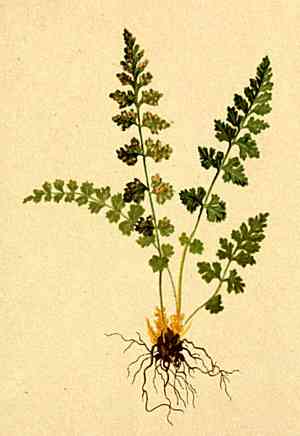
Scented oakfern (Gymnocarpium robertianum)
Also known as: Limestone oak fern, Limestone polypody
The scented oakfern (Gymnocarpium robertianum) thrives in alkaline or neutral soils that are rich in limestone, commonly found in moist, shaded environments. Unlike its relative Gymnocarpium dryopteris, it has a denser main leaf stem. This species is rare and enjoys protection in regions like Ireland, Illinois, and Michigan.
In This Article
Attributes of Scented oakfern
Lifespan
Perennial
Plant Type
Herb
Plant Height
10 cm to 46 cm
Spread
10-20 cm
Leaf Color
Green
Flower Size
N/A
Flower Color
N/A
Images of Scented oakfern
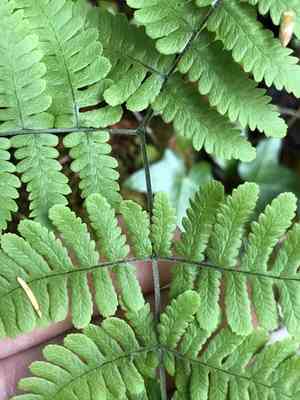
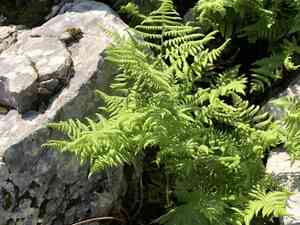
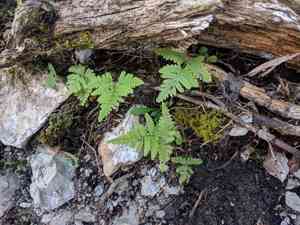
Quickly Identify Scented oakfern
1
The fronds are typically triangular and bi-pinnate, with each pinna further divided into a series of smaller leaflets. The rachis is slender and often pale, and the fern has a distinct wiry rhizome.
Scientific Classification of Scented oakfern
Phylum
Vascular plants
Class
Ferns
Order
Polypodiales
Family
Cystopteridaceae
Genus
Oak ferns
Species
Scented oakfern
Planting and Growing of Scented oakfern
Care Difficulty
Easy
Watering Schedule
Every 3 days
Sunlight Requirements
Partial sun
Sunshine Duration
4-8 hours
Ideal Temperature
55-68℉
Soil Type
Potting Mix, Peat Mix
Soil pH
6.5-8
Fertilizer Type
Balanced
Pruning Season
Spring, Summer
Pruning Area
Branches, Leaves
Pruning Frequency
2 times a year
Repotting Season
Spring
Pot Type
Plastic, Terracotta
 How to Water Scented oakfern?
For Gymnocarpium robertianum, ensure the soil remains consistently damp but not waterlogged. Use approximately 250 ml of water per session, ensuring it reaches the root zone without pooling on the surface. This method mimics its natural habitat where the soil remains moist due to frequent light showers.
What are the symptoms of an underwatered Scented oakfern?
›
What should I do if my Scented oakfern is not getting enough water?
›
What are the symptoms of an overwatered Scented oakfern?
›
How to save an overwatered Scented oakfern?
›
 What Are the Sunlight Requirements for Scented oakfern?
Its ideal light range allows for a balance between photosynthesis and evapo-transpiration, ensuring optimal plant health and robust growth patterns.
What are the optimal lighting conditions?
›
How can I achieve these conditions?
›
What are the benefits of ideal lighting?
›
 What Is the Ideal Temperature Range for Scented oakfern?
For optimal growth, Gymnocarpium robertianum thrives in temperatures ranging from 55°F to 68°F. This temperature range promotes healthy leaf development and ensures proper physiological functions. Maintaining the environment within this temperature zone reduces stress on the plant, enhancing its resilience against pests and diseases.
 What Soil is Best for Scented oakfern?
Gymnocarpium robertianum thrives best in well-drained soil. This ensures that excess water doesn't accumulate, preventing root rot and fostering healthy growth for the plant. Soil with moderate nutrients supports the plant's development without overwhelming it with excessive minerals. This balance is vital for sustaining its delicate fronds. The soil should retain moisture without becoming waterlogged. This condition mimics the plant's natural woodland habitat, keeping it healthy and lush.
 How to Fertilize Scented oakfern?
For Gymnocarpium robertianum, a balanced fertilizer is recommended. For liquid fertilizers, use a diluted solution, typically 1/4 to 1/2 strength, every two weeks during the growing season. Solid fertilizers should be applied sparingly, around 20 grams per square meter annually.
 How to Prune Scented oakfern?
Begin by inspecting the plant for any damaged or dead fronds. Carefully snip these away at the base with sharp shears. Next, trim back overgrown areas to maintain shape and size. Always cut above a leaf node to encourage new growth. Gymnocarpium robertianum can benefit from shaping to encourage fuller and more attractive foliage. Trim the outer growths to maintain a balanced appearance and remove any crowding that can hinder air circulation.
More About Pruning Techniques→
 How to Propagate Scented oakfern plant?
1
Before dividing, water the Gymnocarpium robertianum thoroughly a day before to ensure the plant is hydrated. This reduces stress on the plant when you disrupt the roots.
2
Use a spade to carefully dig around the plant, keeping a safe distance from the plant base to avoid root damage. Gently lift the plant and shake off excess soil for a clear view of the roots.
3
With a sharp knife or pruning shears, divide the root cluster into smaller sections. Each section should have both roots and growing shoots to ensure successful propagation.
 How to Repot Scented oakfern plant?
1
Repot your Gymnocarpium robertianum when you notice roots escaping from drainage holes or the plant's growth significantly slows down. This fern typically requires more room every 2-3 years as it spreads. Spring or early summer is the best time for repotting to coincide with its growth cycle, ensuring minimal stress.
2
Select a pot that is moderately larger than the current one, with sufficient drainage holes. A pot that is slightly wider will accommodate the fern’s spreading nature. This also reduces the likelihood of waterlogging, which can lead to root rot—a significant concern for these ferns.
3
Choose a soil mix that retains moisture but also allows for good drainage. A blend that includes peat, perlite, and compost works best. This type of soil mix provides both the aeration and the nutrient retention that serves the fern’s needs, supporting its lush foliage development.



