How to Prune Oysterwood?
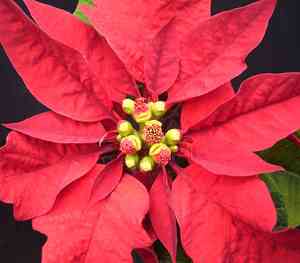
Distinguished by its lustrous leaves and ability to withstand seaside environments, oysterwood flourishes with appropriate care. Perform pruning in the winter while the plant is inactive, prioritizing the removal of any lifeless or infected limbs. Lightly sculpt the plant to preserve its inherent shape, and reduce crowded sections to improve light exposure and airflow. Consistent trimming encourages robust vitality and sustains an appealing look, guaranteeing oysterwood continues to be a prominent feature in the garden.
What Are the Benefits of Pruning Oysterwood?
What Are the Benefits of Pruning Oysterwood?
Trimming oysterwood encourages robust development and maintains a desired form. Strategic cuts foster a strong framework, vital for supporting foliage and any potential fruit, while helping to manage size and enhance the plant's overall appearance.
What Is the Best Time for Pruning Oysterwood?
What Is the Best Time for Pruning Oysterwood?
The optimal time for pruning oysterwood is late winter to early spring before new growth emerges. During this period, oysterwood is typically dormant, which reduces plant stress and lowers the risk of disease transmission that can occur in warmer, more humid conditions. Additionally, the absence of leaves provides better visibility of the plant's structure, allowing for more precise cuts. Pruning before the new growth cycle enables oysterwood to quickly heal wounds and direct energy into producing vigorous new growth in spring.
What Tools Do I Need to Prune Oysterwood?
Hand pruners
Perfect for cutting branches up to 3/4 inch thick, ideal for precise cuts on oysterwood's smaller stems.
Loppers
Suitable for branches 1.5 to 2 inches in diameter, offering leverage and extended reach necessary for oysterwood's thicker branches.
Pruning saws
Essential for branches over 2 inches in diameter, allowing clean cuts without harming oysterwood's larger limbs.
Hedge shears
Appropriate for shaping oysterwood if grown as a hedge, enabling even trimming of the foliage.
Pole pruners
Useful for reaching higher branches of oysterwood without a ladder, ensuring safety and accuracy.
How to Prune Oysterwood
Clean And Sharpen Tools
Before trimming oysterwood, ensure all pruning tools are clean and sharp to prevent disease spread and make clean cuts.
Inspect
Examine oysterwood for dead or diseased branches, which appear dry, brittle, discolored, or show signs of fungal infection.
Remove Dead Branches
Carefully remove dead branches from oysterwood by cutting at a slight angle just above a healthy bud, joint, or branching point.
Prune Diseased Branches
Trim diseased branches from oysterwood, cutting well below the affected area, to prevent disease spread. Dispose of these cuttings responsibly.
Finalize And Protect
After pruning, clean the tools again and inspect oysterwood to ensure a natural shape has been maintained, removing any additional unhealthy tissue that may have been missed.
Common Pruning Mistakes with Oysterwood
Overpruning
Removing too much foliage or too many branches at once can stress oysterwood, hindering its natural growth pattern and recovery.
Using Dull Tools
Dull or dirty pruning tools can cause jagged cuts or introduce disease to oysterwood, which can impair healing and subsequently affect the plant's health.
Cutting Too Close Or Too Far From Node
Inaccurate cuts either too close to a node or bud, which can damage oysterwood's growth points, or too far away, which can leave unsightly stubs promoting decay.
Ignoring Diseased Or Damaged Limbs
Failing to prioritize the removal of dead, diseased, or damaged limbs can invite pests and diseases to oysterwood, compromising the plant's overall vigor.
Not Considering Plant Structure
Pruning without regard to oysterwood's natural shape or structural integrity can result in a weakened and aesthetically unpleasing plant over time.
Common Pruning Tips for Oysterwood
Clean And Sharp Tools
Use sterilized, sharp pruning shears to make clean cuts, minimizing damage and disease risk to oysterwood.
Prune To A Bud Or Branch
When cutting, prune back to a lateral bud or branch to encourage proper new growth direction without leaving unnecessary stubs that could harm oysterwood.
Maintain Natural Form
Prune with the natural form of oysterwood in mind, enhancing its growth habit rather than working against it, for a healthier and more attractive plant.
Gradual Rejuvenation
If rejuvenation is needed, spread it over a few seasons rather than cutting back too harshly at once to prevent shocking oysterwood.
Disinfect After Cutting Diseased Limb
After each cut made to remove diseased limbs, disinfect pruning tools to prevent spreading pathogens to healthy parts of oysterwood.
Sequential Pruning
For larger shaping goals or size reduction, using sequential pruning strategies can allow oysterwood to adapt and produce more vigorous growth in response to the gradual change.



