Oysterwood (Gymnanthes lucida)
Also known as: Crabwood, False Boxwood
Gymnanthes lucida, also known as shiny oysterwood or crabwood, belongs to the spurge family, Euphorbiaceae. This species is indigenous to regions such as southern Florida, the Bahamas, the Caribbean, Mexico, and Central America. It typically grows as a tree, achieving a height of around 6 meters.
In This Article
Attributes of Oysterwood
Lifespan
Perennial
Plant Type
Tree, Shrub
Plant Height
6-12 feet (2-4 meters)
Spread
6-12 feet (2-4 meters)
Leaf Color
Dark green
Flower Size
0.1-0.2 inches (2-5 mm)
Flower Color
Greenish-white
Images of Oysterwood
Quickly Identify Oysterwood
1
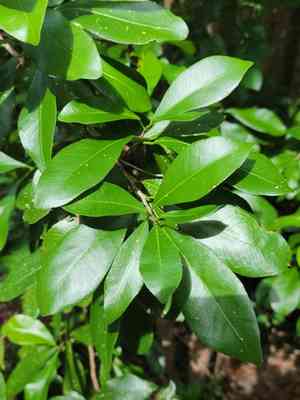
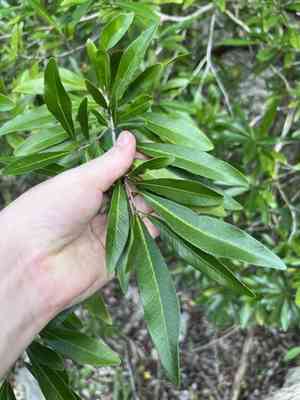
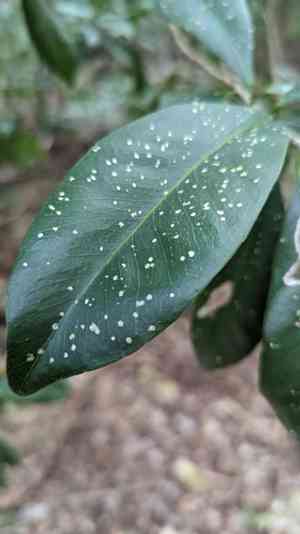
Gymnanthes lucida can be identified by its glossy, dark green leaves that are arranged alternately. The leaves are elliptical to oblong in shape, with a smooth margin. The plant produces small, inconspicuous flowers and small, globular fruits.
Scientific Classification of Oysterwood
Phylum
Vascular plants
Class
Dicotyledons
Order
Malpighiales
Family
Spurge
Genus
Gymnanthes
Species
Oysterwood
Planting and Growing of Oysterwood
Care Difficulty
Easy
Watering Schedule
Every 3 days
Sunlight Requirements
Partial sun
Sunshine Duration
4-8 hours
Ideal Temperature
65-75℉
Soil Type
Potting Mix, Peat Mix
Soil pH
6.5-7.5
Fertilizer Type
Balanced
Pruning Season
Spring, Summer
Pruning Area
Branches, Leaves
Pruning Frequency
2 times a year
Repotting Season
Spring
Pot Type
Plastic, Terracotta
 How to Water Oysterwood?
When watering Gymnanthes lucida, ensure each session thoroughly soaks the soil with around 250 ml of water. The soil should be moist but never soggy, indicating that the plant's roots have received adequate hydration without drowning.
What are the symptoms of an underwatered Oysterwood?
›
What should I do if my Oysterwood is not getting enough water?
›
What are the symptoms of an overwatered Oysterwood?
›
How to save an overwatered Oysterwood?
›
 What Are the Sunlight Requirements for Oysterwood?
Gymnanthes lucida thrives best in partial sun, benefiting from 2-6 hours of filtered or delicate light each day. Ideal lighting ensures healthy foliage and vigorous growth, enhancing its natural beauty and resilience.
What is the best lighting condition for Gymnanthes lucida?
›
What can I do to provide ideal lighting for Gymnanthes lucida?
›
What benefits does Gymnanthes lucida experience under ideal lighting?
›
 What Is the Ideal Temperature Range for Oysterwood?
Gymnanthes lucida thrives best in temperatures between 65°F and 75°F. This range provides the optimal conditions for growth and development. Outside of these temperatures, the plant may experience stress, which can affect its overall health and growth rate.
 What Soil is Best for Oysterwood?
Gymnanthes lucida requires soil with excellent drainage to prevent root rot. Well-drained soil helps the plant maintain the perfect balance of moisture, encouraging healthy root growth and nutrient uptake. This plant thrives in soil rich in organic matter. Incorporating compost or other organic material helps provide essential nutrients that support robust growth and a leafy appearance. While good drainage is crucial, the soil should still retain some moisture to sustain the plant between watering. This balance ensures continual, steady growth and vibrant foliage.
 How to Fertilize Oysterwood?
Gymnanthes lucida, commonly known as shiny wild coffee, typically requires a moderate amount of nutrients. Applying 1/2 teaspoon of a balanced, water-soluble fertilizer per gallon of water is usually sufficient to meet its needs. This helps maintain its vibrant green foliage without causing nutrient burn.
 How to Prune Oysterwood?
Start by examining the plant's structure to identify any dead, diseased, or damaged branches. Remove these first as they can pose a threat to the plant's health. Cut them off close to the trunk without cutting into the trunk itself. Carefully assess the overall shape of the plant and begin trimming to encourage a balanced appearance. Focus on thinning out crowded areas to allow light and air to circulate, which prevents mold and promotes healthy growth. Cut just above a node to encourage new shoots in the desired direction.
More About Pruning Techniques→
 How to Propagate Oysterwood plant?
1
Fill seed trays with a mixture of sterilized potting soil and perlite to improve drainage. Moisten the soil lightly before sowing seeds to ensure uniform germination conditions.
2
Sow Gymnanthes lucida seeds approximately 1 inch apart in the seed trays. Cover them lightly with a thin layer of soil or vermiculite to maintain the right level of humidity for germination.
3
Select healthy stems from a mature Gymnanthes lucida plant and cut 4-6 inch long sections using pruning shears. Remove the leaves from the bottom half of the cuttings to reduce water loss during rooting.
 How to Repot Oysterwood plant?
1
Repot Gymnanthes lucida when you notice roots sprawling out from the drainage holes, indicating that the plant has outgrown its current pot. Another sign is when water rushes straight through the pot and the soil dries out too quickly. These signs are a clear indication that it's time for a new, larger living space for its roots to thrive.
2
Choose a pot that is one size larger than the current one and has adequate drainage holes. This will ensure optimal drainage and allow the roots to expand. Using a pot made of breathable materials like terracotta is also beneficial as it helps prevent waterlogging, thus reducing the risk of root rot while enhancing the plant's overall health.
3
Opt for a well-draining sandy mix, which is ideal as it mimics the plant's natural habitat. This type of soil provides the perfect balance of moisture retention and aeration, encouraging healthy root growth. Its loose texture prevents compaction, ensuring that the roots receive adequate oxygen and reducing the risk of root diseases.
Toxicity
Ingestion, Skin contact
WARNING
The judgment on toxicity and danger is for reference only. We DO NOT GUARANTEE any accuracy of such judgment. Therefore, you SHALL NOT rely on such judgment. It is IMPORTANT TO SEEK PROFESSIONAL ADVICE in advance when necessary.
Learn More About Oysterwood Diseases
Anthracnose
Bacterial Leaf Spot
Bacterial Soft Rot
Bacterial Wilt
Chemical Injury
Crown Gall
Damping-off
Downy Mildew
Drought Stress
Fusarium Wilt
Gray Mold
Leaf Curl
Leaf Spot
Mosaic
Nutrient Deficiency
Nutrient Toxicity
Powdery Mildew
Root Rot
Root-knot Nematode
Rusts
Sooty Mold
Spider Mites
Temperature Stress
Thrips Damage
White Mold



