How to Prune Threadleaf snakeweed?
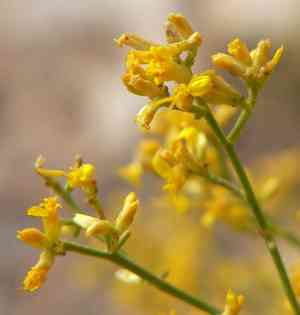
Threadleaf snakeweed benefits from winter pruning during its inactive period. Remove any compromised or lifeless branches to preserve a sound framework and stimulate fresh development. Concentrate on reducing dense sections to enhance air movement. Exercise care to avoid excessive trimming, as this can cause strain to the plant. Pruning boosts the plant's hardiness and flowering potential, fostering vigorous and shapely development. Refer to regional gardening advice to tailor these methods to your particular environment and circumstances.
What Are the Benefits of Pruning Threadleaf Snakeweed?
What Are the Benefits of Pruning Threadleaf Snakeweed?
Trimming threadleaf snakeweed promotes robust development and maintains its form, enhancing the visual appeal of your landscape. Regular cutting prevents excessive growth, ensuring threadleaf snakeweed stays healthy and attractive.
What Is the Best Time for Pruning Threadleaf Snakeweed?
What Is the Best Time for Pruning Threadleaf Snakeweed?
Pruning threadleaf snakeweed in winter is advisable as this is its dormant period. During dormancy, threadleaf snakeweed has minimal active growth, which reduces stress and the energy demands of active development. Winter pruning prepares threadleaf snakeweed to allocate resources more efficiently for new spring growth, boosts its health, and helps maintain its desired shape. Additionally, the absence of leaves in winter offers better visibility for identifying and removing any dead or diseased branches.
What Tools Do I Need to Prune Threadleaf Snakeweed?
Hand Pruners
Perfect for trimming individual stems and smaller branches of threadleaf snakeweed, sharp hand pruners allow for precise cuts without harming delicate branches.
Pruning Shears
Suitable for shaping and managing the dense growth habit of threadleaf snakeweed. Pruning shears offer the necessary control and accuracy to effectively maintain the plant's aesthetics and vitality.
Gloves
Though not a cutting tool, sturdy gloves are crucial for protecting hands from potential scratches and irritation when pruning threadleaf snakeweed, given its fine, thread-like foliage.
How to Prune Threadleaf Snakeweed
Identify
Examine threadleaf snakeweed closely to locate all withered leaves, dead branches, and any branches that appear diseased. Be sure to distinguish between healthy and unhealthy growth, as excessive removal can harm the plant.
Prepare
Gather the necessary tools for pruning threadleaf snakeweed, which should include sharp pruning shears, gloves, and possibly a small saw for thicker branches. Ensure all tools are clean and sanitized to prevent disease spread during pruning.
Remove leaves
Carefully remove all withered leaves from threadleaf snakeweed. Use your fingers or pruning shears to snip the leaves at their base, where they meet the stem or branch, taking care not to damage healthy parts.
Cut branches
Trim all dead and diseased branches from threadleaf snakeweed. Make cuts at a 45-degree angle, approximately a quarter-inch above a healthy bud or branch junction. This method promotes healthier growth and healing.
Cleanup
Collect and dispose of all removed plant material. Leaving withered leaves or diseased branches near threadleaf snakeweed can encourage further disease or pest issues. Thoroughly clean and disinfect your tools after pruning.
Common Pruning Mistakes with Threadleaf Snakeweed
Excessive pruning
A frequent error is removing too much of threadleaf snakeweed's foliage in a single pruning session, which can stress the plant and hinder its growth.
Improper cut locations
Cutting threadleaf snakeweed's stems too close to the main trunk or too far from the next bud can result in poor regrowth and increased susceptibility to diseases.
Using dull tools
Employing dull or unclean pruning tools can damage threadleaf snakeweed's delicate stems, leading to jagged cuts that heal poorly and heighten the risk of infection.
Common Pruning Tips for Threadleaf Snakeweed
Hygienic practices
Always use clean, sharp pruning shears to make precise cuts that heal quickly, minimizing stress and diseases in threadleaf snakeweed.
Selective pruning
Focus on removing only dead or damaged branches and thin out densely packed areas to improve air circulation and light penetration, which is crucial for threadleaf snakeweed's health and blooming.
Gradual pruning
Adopt a gradual approach by pruning small amounts over several seasons. This will help maintain plant health and avoid drastic changes that could negatively affect the plant's growth.



