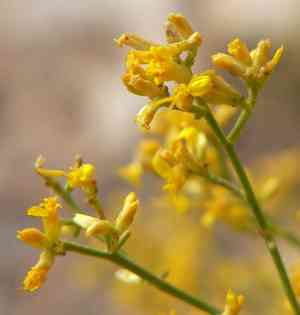
Threadleaf snakeweed (Gutierrezia microcephala)
Also known as: Bush Muhly, Arizona Snakeweed
Gutierrezia microcephala, also known as threadleaf snakeweed, is a perennial shrub native to the southwestern U.S. It produces yellow, daisy-like flowers from spring through fall. This plant supports bees, butterflies, and birds, and offers habitat for small animals. However, it can be toxic to goats and sheep. Other common names for it include broomhead, match weed, and littlehead snakeweed.
In This Article
Attributes of Threadleaf snakeweed
Lifespan
Perennial
Plant Type
Shrub
Plant Height
20 cm to 60 cm
Spread
90 cm to 1.2 m
Leaf Color
Green
Flower Size
2.5 cm
Flower Color
Yellow
Images of Threadleaf snakeweed
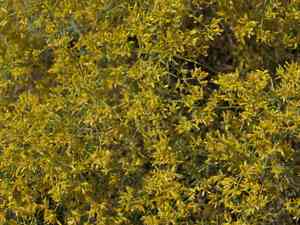
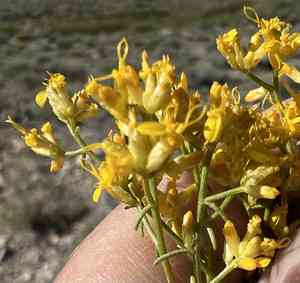
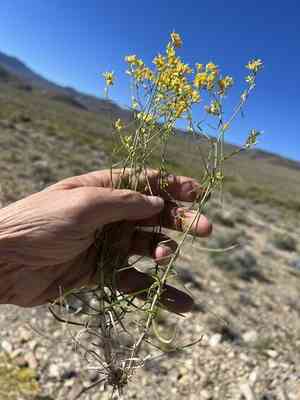
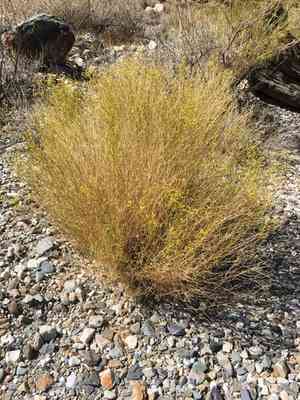
Quickly Identify Threadleaf snakeweed
1
Identifying Gutierrezia microcephala involves looking for a small, shrubby perennial with slender, thread-like leaves and small yellow flower heads appearing in late summer to fall. The plant is usually about 1-2 feet in height and has a distinctive bushy appearance.
Scientific Classification of Threadleaf snakeweed
Phylum
Vascular plants
Class
Dicotyledons
Order
Asterales
Family
Daisy
Genus
snakeweeds
Species
Threadleaf snakeweed
Planting and Growing of Threadleaf snakeweed
Care Difficulty
Easy
Watering Schedule
Every day
Sunlight Requirements
Full sun
Sunshine Duration
4-10 hours
Ideal Temperature
50-70℉
Soil Type
Potting Mix, Peat Mix
Soil pH
6.5-7.5
Fertilizer Type
Balanced
Pruning Season
Spring, Summer
Pruning Area
Branches, Leaves
Pruning Frequency
2 times a year
Repotting Season
Spring
Pot Type
Plastic, Ceramic
 How to Water Threadleaf snakeweed?
Gutierrezia microcephala thrives in arid environments; therefore, it requires sparing watering. A single watering should be around 250 ml to adequately moisten the soil without causing excess moisture, which it dislikes.
What are the symptoms of an underwatered Threadleaf snakeweed?
›
What should I do if my Threadleaf snakeweed is not getting enough water?
›
What are the symptoms of an overwatered Threadleaf snakeweed?
›
How to save an overwatered Threadleaf snakeweed?
›
 What Are the Sunlight Requirements for Threadleaf snakeweed?
Preferring a balance of full to partial sun, optimal light allows Gutierrezia microcephala to grow healthily and robustly, ensuring vibrant blooms and resistance to pests and diseases.
What kind of light does Gutierrezia microcephala prefer?
›
How can I provide ideal light conditions for Gutierrezia microcephala?
›
What are the benefits of optimal lighting for Gutierrezia microcephala?
›
 What Is the Ideal Temperature Range for Threadleaf snakeweed?
The ideal temperature range for Gutierrezia microcephala growth is between 50°F and 70°F. This range provides the right balance of warmth and coolness needed for healthy growth. Within this temperature band, the plant is less stressed, can efficiently carry out photosynthesis, and has better nutrient uptake.
 What Soil is Best for Threadleaf snakeweed?
Gutierrezia microcephala thrives best in well-draining soil, which prevents water from pooling around the roots. This is crucial since excess moisture can lead to root rot. A well-draining soil ensures that the roots receive ample oxygen, promoting vigorous growth and healthy foliage. While it is a hardy plant, Gutierrezia microcephala does best in soil that is rich in organic matter. This nutrient-rich environment supports its growth and flowering, ensuring the plant remains vibrant and robust throughout the growing season. This plant prefers a slight alkalinity in the soil, helping it absorb essential nutrients more efficiently. A soil pH leaning towards alkaline levels is optimal, promoting more vibrant blossoms and resilient foliage.
 How to Fertilize Threadleaf snakeweed?
Gutierrezia microcephala responds well to light fertilization. Each application should involve a mild solution, approximately 1/4 the recommended strength for general plants. Avoid over-fertilizing, especially if the plant is thriving on its own.
 How to Prune Threadleaf snakeweed?
Use sharp bypass pruners to make clean cuts. Avoid anvil-style pruners, which can crush the stems. Always sterilize your tools before and after use to prevent the spread of pathogens. Be cautious not to remove more than one-third of the plant at a time. Over-pruning can stress the plant and affect its ability to photosynthesize and regenerate.
More About Pruning Techniques→
 How to Propagate Threadleaf snakeweed plant?
1
Use well-draining soil mix to fill the seed trays or pots. A mixture of perlite and peat moss is recommended to maintain the ideal moisture level, which is crucial for seed or cutting development.
2
Sprinkle the Gutierrezia microcephala seeds evenly across the prepared soil. Lightly cover them with a thin layer of soil to ensure they are in contact with the soil while allowing adequate light exposure needed for germination.
3
Select healthy stems from the parent plant and cut four to six-inch sections. Remove lower leaves and plant the cuttings in pre-moistened soil, ensuring they remain upright and stable to promote rooting.
 How to Repot Threadleaf snakeweed plant?
1
Repot Gutierrezia microcephala in spring or autumn when growth resumes and roots outgrow the container or notice declining plant health.
2
Select a pot about 2 inches wider in diameter than the previous one with drainage holes to allow excess water to escape, preventing root rot and other related issues.
3
Use well-draining sandy soil to enable proper air circulation and water drainage, vital for preventing root diseases and encouraging healthy root development.
Toxicity
Ingestion
WARNING
The judgment on toxicity and danger is for reference only. We DO NOT GUARANTEE any accuracy of such judgment. Therefore, you SHALL NOT rely on such judgment. It is IMPORTANT TO SEEK PROFESSIONAL ADVICE in advance when necessary.



