How to Prune Tufted globe amaranth?
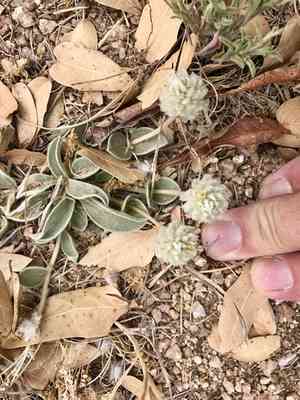
Gomphrena globosa, recognized for its vivid, spherical blossoms, thrives with trimming in early spring and late winter. Remove aged and lifeless sections to encourage fresh flowers and a denser form. This practice also aids in controlling the plant's dimensions and preventing sparse growth. Verify that your implements are sanitized to avert pathogen transmission. Appropriate trimming boosts the general well-being of Gomphrena globosa, guaranteeing abundant flowering and a neat, attractive garden display.
What Are the Benefits of Pruning Tufted Globe Amaranth?
What Are the Benefits of Pruning Tufted Globe Amaranth?
Trimming tufted globe amaranth promotes robust development and maintains its form. Cutting back stems encourages denser foliage and boosts blooming, ensuring the plant stays healthy and visually appealing.
What Is the Best Time for Pruning Tufted Globe Amaranth?
What Is the Best Time for Pruning Tufted Globe Amaranth?
Pruning or trimming tufted globe amaranth in late winter or early spring is optimal as this period aligns with the plant's dormant stage. Pruning before the active growth season helps stimulate new growth when temperatures rise, allowing tufted globe amaranth to develop a strong and healthy structure. Additionally, this timing minimizes plant stress since it is less likely to interfere with flowering and ensures any potential frost damage has passed, promoting better recovery and growth.
What Tools Do I Need to Prune Tufted Globe Amaranth?
Hand Pruners
Perfect for precise cuts needed for tufted globe amaranth due to its small, delicate stems.
Bypass Pruners
Useful for making clean cuts that encourage faster healing of tufted globe amaranth's small branches.
Snips
Ideal for deadheading spent flowers of tufted globe amaranth to promote continuous blooming.
Gloves
Crucial for protecting hands from thorny stems or potential allergens when handling tufted globe amaranth.
Pruning Shears
Helpful for cutting through thicker or woody stems that may develop in mature tufted globe amaranth.
How to Prune Tufted Globe Amaranth
Identify
Examine tufted globe amaranth thoroughly to find any diseased or withered leaves. Look for discoloration, spots, or a dry, shriveled appearance.
Tools Sterilize
Before starting to prune, ensure all tools, such as pruning shears, are sterilized to prevent disease spread. Use rubbing alcohol or a bleach solution for this purpose.
Trim Diseased
Carefully cut away any diseased leaves from tufted globe amaranth using your sterilized shears. Make clean cuts close to the base of the affected leaf stalk without harming the main stem.
Trim Withered
Next, cut back all withered, dry leaves from tufted globe amaranth. Again, make neat cuts close to the base of the leaf stalk, ensuring you do not damage surrounding healthy foliage.
Dispose Debris
Collect all removed leaves and dispose of them properly to prevent any potential spread of disease. Do not compost any diseased plant material; instead, place them in sealed garbage bags and discard.
Common Pruning Mistakes with Tufted Globe Amaranth
Over-pruning
Removing too much foliage at once can stress tufted globe amaranth, hindering its ability to recover and thrive. This may lead to reduced flowering and weakened plant health.
Incorrect cutting angle
Making cuts at the wrong angle, such as horizontally, can cause water to accumulate on the cut surface, increasing disease risk. Instead, cuts should be made at a slight angle to encourage proper drainage.
Pruning at the wrong growth stage
Pruning tufted globe amaranth when it is not actively growing can impede its ability to heal and produce new growth. Avoid pruning during dormancy or periods of slow growth.
Neglecting cleanliness
Using dirty or dull pruning tools can introduce pathogens to the plant and create jagged cuts. Always ensure tools are clean and sharp before pruning.
Ignoring the plant's natural shape
Pruning without considering tufted globe amaranth's natural growth habit can lead to an unbalanced appearance and potentially damage its structure. It's crucial to respect the plant's inherent form when shaping it.
Common Pruning Tips for Tufted Globe Amaranth
Use sharp, clean tools
Ensure that pruning shears are sharp and sterilized to make clean cuts and prevent the spread of disease.
Cut at a slight angle
Make cuts at a slight angle to promote water runoff and reduce the risk of infection.
Target dead or diseased wood first
Begin by removing any dead, damaged, or diseased stems to encourage healthy growth and airflow within the plant.
Thin out congested growth
Trim back crowded sections to enhance light penetration and air circulation, which are essential for tufted globe amaranth's overall health and flowering potential.
Prune back to a growth node
When cutting back stems, make your cuts just above a growth node or leaf junction to encourage new growth from that point.
Balance pruning across the plant
Distribute your pruning efforts evenly to maintain the plant's natural shape and promote balanced growth. Avoid focusing too heavily on one side or area.


