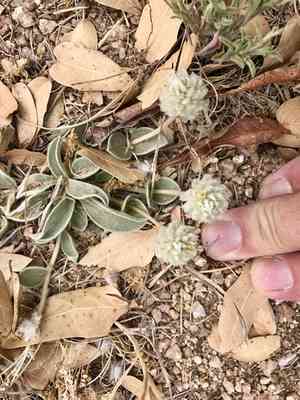
Tufted globe amaranth (Gomphrena caespitosa)
Also known as: None
The tufted globe amaranth is a hardy perennial well-adapted to dry climates. Its robust, tufted growth habit allows it to endure arid conditions, while its deep roots access moisture from deeper soil layers. The plant's silver-green leaves and vibrant, globe-shaped flowers, typically in shades of purple or magenta, not only add a splash of color but also attract pollinators. These flowers are notably resilient, flourishing even in intense summer heat and poor, rocky soils.
In This Article
Attributes of Tufted globe amaranth
Lifespan
Annual
Plant Type
Herb
Plant Height
10 cm
Spread
20 cm
Leaf Color
Green
Flower Size
1-2 cm
Flower Color
White to Cream
Images of Tufted globe amaranth
Quickly Identify Tufted globe amaranth
1
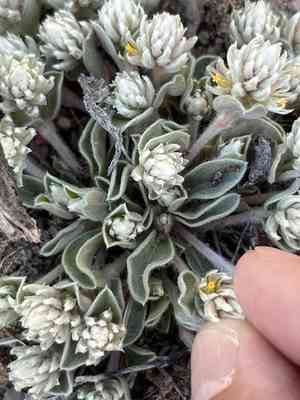
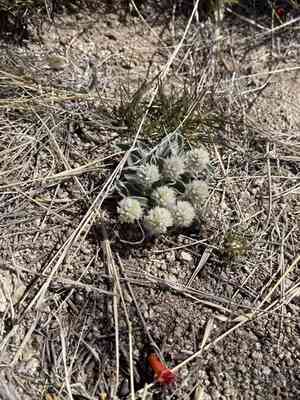
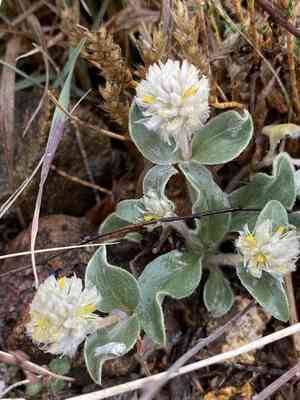
Identify Gomphrena caespitosa by its compact, cushion-like growth form and round, papery flower heads that are typically white to cream in color. The leaves are small, narrow, and slightly hairy.
Scientific Classification of Tufted globe amaranth
Phylum
Vascular plants
Class
Dicotyledons
Order
Caryophyllales
Family
Amaranth
Genus
Globe amaranths
Species
Tufted globe amaranth
Planting and Growing of Tufted globe amaranth
Care Difficulty
Easy
Watering Schedule
Every 2 days
Sunlight Requirements
Full sun
Sunshine Duration
4-8 hours
Ideal Temperature
65-75℉
Soil Type
Potting Mix, Peat Mix
Soil pH
6.5-7.5
Fertilizer Type
Balanced
Pruning Season
Spring, Summer
Pruning Area
Branches, Leaves
Pruning Frequency
2 times a year
Repotting Season
Spring
Pot Type
Terracotta, Plastic
 How to Water Tufted globe amaranth?
When watering Gomphrena caespitosa, apply about 200ml of water. Ensure the soil is evenly moist but not waterlogged. This amount helps the plant maintain its vibrant health by providing sufficient hydration without causing root rot.
What are the symptoms of an underwatered Tufted globe amaranth?
›
What should I do if my Tufted globe amaranth is not getting enough water?
›
What are the symptoms of an overwatered Tufted globe amaranth?
›
How to save an overwatered Tufted globe amaranth?
›
 What Are the Sunlight Requirements for Tufted globe amaranth?
Gomphrena caespitosa prefers full sun, making it ideal for gardens with unfiltered sunlight. Under optimal lighting, it produces vibrant, long-lasting blooms that enhance its ornamental value.
How much sunlight does Gomphrena caespitosa need?
›
What if it doesn't get enough sunlight?
›
What benefits does proper lighting provide?
›
 What Is the Ideal Temperature Range for Tufted globe amaranth?
The ideal temperature range for Gomphrena caespitosa is between 65°F and 75°F. This range provides optimal conditions for photosynthesis and growth, ensuring the plant thrives and maintains its vibrant appearance. Deviating from this range might affect its flowering and overall health.
 What Soil is Best for Tufted globe amaranth?
Gomphrena caespitosa thrives in well-drained soils which prevent waterlogging that can lead to root rot. This condition ensures healthy root development and vibrant blooms. A nutrient-rich soil provides essential minerals and compounds that support the plant's growth. Adding organic matter such as compost can enhance the soil's fertility. The plant requires soil with moderate moisture levels. This balance prevents the roots from drying out while avoiding excess moisture that could lead to fungal diseases.
 How to Fertilize Tufted globe amaranth?
For Gomphrena caespitosa, it's crucial not to over-fertilize. Apply liquid fertilizer at half the recommended rate on packaging, ensuring it's diluted well. Use sparingly to avoid nutrient burn, as this plant thrives with less nutrient-rich soil conditions.
 How to Prune Tufted globe amaranth?
Prune Gomphrena caespitosa during its active growing seasons in spring, summer, and autumn. Regularly check for any stems that appear brown or wilted, cutting them back to the healthier part of the plant. This practice not only helps in maintaining plant health but also in directing energy towards producing new blooms. Understand the natural growth pattern of Gomphrena caespitosa to avoid excessive pruning that could hinder its ornamental value. Allow the plant some freedom to grow but intervene when necessary to avoid overcrowding and maintain air circulation.
More About Pruning Techniques→
 How to Propagate Tufted globe amaranth plant?
1
Begin by preparing a light, well-draining soil mix. A combination of peat moss, vermiculite, and perlite works well. The soil should retain moisture but also provide good aeration for the developing seedlings.
2
Spread the Gomphrena caespitosa seeds evenly across the prepared soil surface, pressing them gently into the soil without covering them completely. Light aids germination, so avoid planting the seeds too deep.
3
Water the soil gently to keep it moist but not waterlogged. Place the seed trays or pots in a warm area, possibly on a heating mat, and ensure they receive direct sunlight or high-quality artificial light.
 How to Repot Tufted globe amaranth plant?
1
Gomphrena caespitosa needs repotting when roots cluster at drainage holes or growth halts. Optimal repotting occurs in spring or early summer, aiding recovery and promoting vibrant growth as the plant reestablishes.
2
Select a pot 1-2 inches larger in diameter with ample drainage to prevent waterlogging. A terracotta pot is ideal as its porous nature allows air and moisture movement, promoting root health in Gomphrena caespitosa.
3
Opt for a well-draining sandy mix to mimic natural habitats, avoiding root rot while retaining essential nutrients. This soil balance offers stability, ensuring Gomphrena caespitosa flourishes with adequate aeration and moisture retention.
Learn More About Tufted globe amaranth Diseases
Anthracnose
Bacterial Leaf Spot
Bacterial Soft Rot
Bacterial Wilt
Black Spot
Chemical Injury
Crown Gall
Cyst Nematode
Damping-off
Downy Mildew
Drought Stress
Fusarium Wilt
Gray Mold
Leaf Spot
Mosaic
Nutrient Deficiency
Nutrient Toxicity
Powdery Mildew
Root Rot
Root-knot Nematode
Rusts
Sooty Mold
Spider Mites
Temperature Stress
Thrips Damage
White Mold


