How to Prune Chinese licorice?
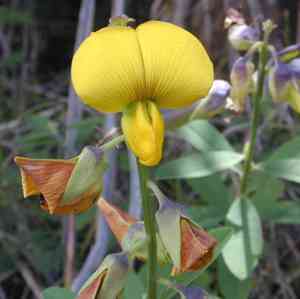
Glycyrrhiza uralensis, recognized for its therapeutic roots and herbal characteristics, flourishes optimally with trimming performed in late spring or early summer. Cut away any lifeless or frail stalks to encourage vigorous fresh shoots and bolster root expansion. This period coincides with the plant's peak growth cycle, thereby boosting its overall well-being and yield. Consistent trimming prevents the plant from becoming excessively thick, which could negatively affect root integrity, a vital element for this particular species.
What Are the Benefits of Pruning Chinese Licorice?
What Are the Benefits of Pruning Chinese Licorice?
Trimming chinese licorice promotes robust development and maintains its desired form. It fosters healthier, denser foliage and manages its dimensions, making it perfect for garden aesthetics and space management.
What Is the Best Time for Pruning Chinese Licorice?
What Is the Best Time for Pruning Chinese Licorice?
Trimming chinese licorice during Spring and Summer is optimal due to its active growth phase during these seasons. In Spring, pruning helps stimulate new growth and shapes the plant as it emerges from dormancy. During Summer, it's beneficial to trim chinese licorice to remove any dead or diseased branches, which improves air circulation and overall plant health. Additionally, pruning in these warmer months helps enhance flowering and fruiting in the subsequent cycles, as the plant can recover quickly and utilize the full season's energy for growth.
What Tools Do I Need to Prune Chinese Licorice?
Bypass Pruners
These are ideal for making clean cuts on the thinner, green stems of chinese licorice without causing damage. Bypass pruners work like scissors, where two blades pass by each other, ensuring a precise cut that promotes healthy regrowth.
Pruning Shears
Specifically designed for small to medium-sized branches, these shears are perfect for shaping the denser parts of chinese licorice. The leverage provided by pruning shears makes it easier to handle the tougher stems.
Loppers
For the thicker branches that may occasionally grow on chinese licorice, loppers provide the necessary cutting strength with long handles for extra leverage, which can be very effective in maintaining the structural integrity of the plant.
Garden Scissors
Ideal for trimming and thinning the foliage of chinese licorice, garden scissors allow for detailed pruning and help maintain the aesthetic appeal of the plant.
How to Prune Chinese Licorice
Identify
Examine chinese licorice carefully, focusing on identifying any diseased or withered leaves, as well as any diseased stems. This will determine where to begin the pruning process.
Sanitize
Before starting the pruning, sanitize your pruning shears or any other tools to prevent the spread of disease. Use a solution of 1 part bleach to 9 parts water to disinfect the tools.
Remove leaves
Carefully remove diseased and withered leaves from chinese licorice by cutting them at the base where they meet the stem. Ensure cuts are clean and precise to avoid damaging the plant.
Prune stems
Prune diseased stems from chinese licorice by making clean cuts at least several inches below the diseased portions, or back to the main body of the plant if necessary. Avoid cutting healthy tissues to prevent stress on chinese licorice.
Cleanup
Dispose of all removed diseased material properly to avoid recontamination. Clean up all fallen debris around chinese licorice and dispose of or compost if appropriate, ensuring diseases are not spread through compost.
Common Pruning Mistakes with Chinese Licorice
Over-pruning
One primary mistake when pruning chinese licorice is removing too much of the plant at once. This can stress the plant, leading to stunted growth or a lack of flowering.
Improper cutting technique
Using dull or dirty pruning tools can damage the plant's delicate stems, leading to disease and pest problems.
Pruning at incorrect growth points
Cutting chinese licorice without understanding the growth pattern can lead to reduced vigour or unintended shaping. Itâs crucial to identify the growth nodes or sections that contribute to healthy branching.
Common Pruning Tips for Chinese Licorice
Use clean, sharp tools
Always use well-maintained, sharp pruning shears to make clean cuts on chinese licorice. This helps prevent damage and disease.
Focus on dead or damaged stems
Regularly remove any stems that are dead, damaged, or diseased to promote healthier growth and improve air circulation within the plant.
Prune for shape and health
When pruning chinese licorice, aim to create an open, airy structure by thinally removing some of the central stems. This will enhance light penetration and air circulation, encouraging healthy growth and flowering.



