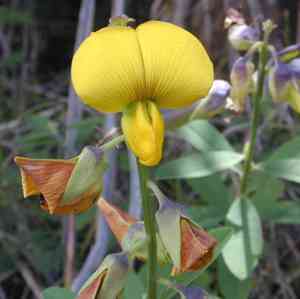
Chinese licorice (Glycyrrhiza echinata)
Also known as: Spiny-fruited liquorice
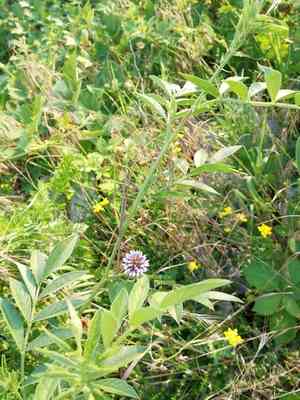
Chinese licorice (Glycyrrhiza uralensis) is a perennial herb distinguished by its pinnate leaves and clusters of small, purple to pale blue flowers. It features distinctive, bumpy pods covered with spines. This plant thrives in temperate regions and has a deep root system, allowing it to absorb nutrients from poor soils. The root's characteristic sweet taste comes from the compound glycyrrhizin.
In This Article
Attributes of Chinese licorice
Lifespan
Perennial
Plant Type
Herb
Plant Height
30-100 cm
Spread
Not typically measured by crown diameter as it is a herbaceous plant.
Leaf Color
Green
Flower Size
0.5-1 cm
Flower Color
Blue, Violet
Images of Chinese licorice
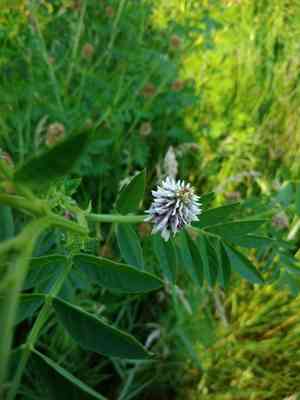
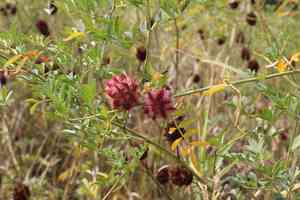
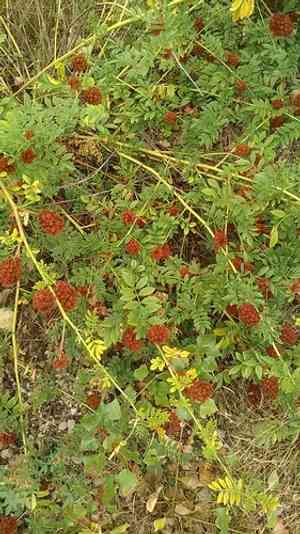
Quickly Identify Chinese licorice
1
To identify Glycyrrhiza echinata, look for a bushy perennial with striated, brown stems and pinnate leaves with oblong leaflets. The plant produces small, pea-like flowers in shades of blue or violet, followed by spiky, echinate seed pods.
Scientific Classification of Chinese licorice
Phylum
Vascular plants
Class
Dicotyledons
Order
Fabales
Family
Legume
Genus
Licorice
Species
Chinese licorice
Planting and Growing of Chinese licorice
Care Difficulty
Easy
Watering Schedule
Every 3 days
Sunlight Requirements
Full sun
Sunshine Duration
6-10 hours
Ideal Temperature
60-75℉
Soil Type
Potting Mix, Peat Mix
Soil pH
6.5-7.5
Fertilizer Type
Balanced
Pruning Season
Spring, Summer
Pruning Area
Branches, Leaves
Pruning Frequency
2 times a year
Repotting Season
Spring
Pot Type
Plastic, Ceramic
 How to Water Chinese licorice?
When watering Glycyrrhiza echinata, water until the soil is evenly moist but not soggy. Ensure that water is reaching the root zone but avoid waterlogging. Checking the top inch of soil is often a good measure; if it's dry, it's time to water.
What are the symptoms of an underwatered Chinese licorice?
›
What should I do if my Chinese licorice is not getting enough water?
›
What are the symptoms of an overwatered Chinese licorice?
›
How to save an overwatered Chinese licorice?
›
 What Are the Sunlight Requirements for Chinese licorice?
Glycyrrhiza echinata prefers a light range of full sun to partial sun, benefiting from around 6 to 8 hours of daily sunlight, ensuring healthy growth and optimal energy generation through photosynthesis.
Ideal Location
›
Enhancing Light Exposure
›
Impact of Ideal Light
›
 What Is the Ideal Temperature Range for Chinese licorice?
The ideal temperature range for cultivating Glycyrrhiza echinata is between 60°F and 75°F. Within this range, the plant can grow optimally, ensuring good root development and foliage health. Maintaining these temperatures helps in avoiding stress on the plant, leading to better yield and growth performance.
 What Soil is Best for Chinese licorice?
Glycyrrhiza echinata thrives in well-drained soils, as waterlogged conditions can lead to root rot. The ability to remove excess water eases root respiration and supports steady plant growth. This plant benefits from a nutrient-rich substrate that supplies essential elements like nitrogen, potassium, and phosphorus, promoting vigorous growth and lush foliage. Soils with moderate moisture retention help to maintain consistent hydration levels. This stability is crucial for Glycyrrhiza echinata, preventing stress and fostering resilient health.
 How to Fertilize Chinese licorice?
Glycyrrhiza echinata benefits from a balanced approach to fertilization. When using liquid fertilizer, dilute it to half strength to prevent root burn and apply about 200 ml per application. For slow-release solid fertilizers, use approximately 20 grams per plant spread evenly around the root area.
 How to Prune Chinese licorice?
Begin by identifying dead or diseased branches. Look for discoloration or lack of foliage, and remove these first to encourage new growth. Cut back excess growth to shape the plant and encourage bushiness. Make your cuts just above a node to promote new branching. After pruning, clean around the base of the plant, removing any fallen debris to prevent pest infestation and maintain a neat appearance.
More About Pruning Techniques→
 How to Propagate Chinese licorice plant?
1
Start by selecting a well-draining potting mix and fill a seed tray. Sow Glycyrrhiza echinata seeds about 0.5 cm deep. Maintain a temperature of 20-25°C for optimal germination, which typically takes 2-4 weeks.
2
Select healthy roots during the plant's dormant phase. Cut sections of root 5-10 cm long, plant them horizontally in a container with moist soil, ensuring they are lightly covered and placed in a warm spot.
3
Carefully dig up the mature Glycyrrhiza echinata plant. Gently separate the plant into smaller sections, ensuring each section has a healthy amount of roots. Replant sections in suitable locations.
 How to Repot Chinese licorice plant?
1
Repot Glycyrrhiza echinata when you notice roots starting to circle the pot or emerging from drainage holes. Another sign is reduced growth or wilting, as the plant may be struggling in compacted soil. Spring and autumn are ideal as the plant is not in its most vigorous growth phase, minimizing transplant shock.
2
Select a pot that is one size larger than the current one, with ample drainage holes to prevent waterlogging. A terracotta pot is ideal as it allows moisture to evaporate and air to reach roots, avoiding root rot and promoting healthy growth.
3
Choose a well-draining, loamy mix enriched with organic matter. This type of soil provides essential nutrients and prevents water stagnation, ensuring your Glycyrrhiza echinata's roots remain healthy and capable of absorbing nutrients efficiently.
Learn More About Chinese licorice Diseases
Anthracnose
Bacterial Leaf Spot
Bacterial Wilt
Crown Gall
Cyst Nematode
Damping-off
Downy Mildew
Drought Stress
Fusarium Wilt
Gray Mold
Leaf Spot
Mosaic
Nutrient Deficiency
Nutrient Toxicity
Powdery Mildew
Root Rot
Root-knot Nematode
Rusts
Sooty Mold
Spider Mites
Temperature Stress
Thrips Damage
White Mold



