How to Prune Hairy carpet weed?
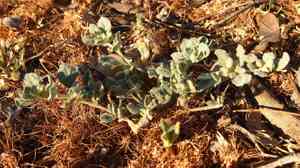
A low-growing annual plant, hairy carpet weed flourishes in warm environments and needs little trimming to preserve its form. Trimming ought to be carried out during periods of active development in Spring, Summer, or Autumn. Eliminate any deceased or excessively long stems to foster a denser growth habit. This aids in preventing excessive density and enhances air movement, thereby lowering the likelihood of fungal infections. Trimming typically benefits the plant's well-being, resulting in more robust development and increased flower output.
What Are the Benefits of Pruning Hairy Carpet Weed?
What Are the Benefits of Pruning Hairy Carpet Weed?
Trimming hairy carpet weed promotes robust development and helps maintain its form, ensuring an attractive look while fostering strong health.
What Is the Best Time for Pruning Hairy Carpet Weed?
What Is the Best Time for Pruning Hairy Carpet Weed?
Trimming hairy carpet weed in Spring is advantageous as it marks the start of its growth cycle, enabling the plant to direct energy towards new growth and recuperation from cuts. Pruning in Summer assists in preserving the shape and managing the size of hairy carpet weed during its active growth. Additionally, it aids in removing any diseased or damaged parts before they can spread. Cutting back hairy carpet weed in the Fall is ideal because it readies the plant for winter by eliminating dead or excessive growth, which could otherwise lead to decay and harbor pests. It is vital to avoid pruning hairy carpet weed in Winter since the plant is dormant, and pruning can cause stress and harm, impeding spring recovery.
What Tools Do I Need to Prune Hairy Carpet Weed?
Hand Pruners
Ideal for snipping soft stems and removing compromised shoots of hairy carpet weed. Hand pruners allow for precise cuts without harming nearby foliage.
Garden Scissors
Perfect for deadheading or shaping hairy carpet weed. Their small blades facilitate accurate cutting, which is excellent for preserving the ground cover's appearance.
Pruning Shears
If hairy carpet weed has become overgrown, pruning shears can manage thicker stems and offer good control for uniformly shaping the plant without causing stress to its structure.
How to Prune Hairy Carpet Weed
Sterilize
Sanitize pruning shears or scissors with rubbing alcohol or a bleach solution to prevent disease transmission to hairy carpet weed.
Identify
Locate the withered, yellow, or brown leaves on hairy carpet weed, which no longer contribute to the plant's growth.
Cut
Snip the withered leaves at their base where the leaf stem meets the main stem or at the natural detachment point, being careful not to harm new shoots or healthy foliage of hairy carpet weed.
Dispose
Discard the removed withered leaves away from hairy carpet weed to avoid potential issues with pests or diseases that could affect healthy plant parts.
Monitor
Observe hairy carpet weed after pruning to ensure it remains healthy, developing new leaves to replace those that were removed.
Common Pruning Mistakes with Hairy Carpet Weed
Overpruning
Cutting back hairy carpet weed too aggressively can stress the plant, leading to poor growth or even death. It's important to prune no more than one-third of the plant at a time.
Ignoring Plant Shape
Not considering the natural shape of hairy carpet weed when pruning can result in an aesthetically unpleasing plant. It's vital to maintain the plant's natural form for best results.
Dull Tools
Using dull pruning tools can damage the stems of hairy carpet weed, leading to jagged cuts that are susceptible to disease. Always use sharp tools for clean cuts.
Unsterilized Tools
Failing to sterilize tools before use can spread diseases between plants. It's essential to clean and sterilize tools before pruning hairy carpet weed.
Pruning Healthy Growth
Removing healthy foliage and stems without reason can reduce the vigor of hairy carpet weed. It's advisable to prune only dead, diseased, or overcrowded stems.
Neglecting to Assess
Not taking the time to assess the plant before pruning can lead to unnecessary cuts. It's crucial to identify which areas need pruning and which do not.
Common Pruning Tips for Hairy Carpet Weed
Selective Pruning
Target only the dead, damaged, or overgrown stems of hairy carpet weed to promote a healthier and more aesthetically pleasing plant without impacting its growth negatively.
Use Correct Technique
Make angled cuts just above a leaf node or branching point to encourage new growth in the desired direction for hairy carpet weed.
Encourage Air Circulation
Thin out dense areas of hairy carpet weed to enhance air circulation, which can reduce the risk of fungal diseases and promote healthier growth.
Promote New Growth
Pruning the tips of hairy carpet weed can help stimulate bushier growth, especially for young or leggy plants. Ensure you do not remove more than necessary to prevent stress.
Clean Up
After pruning hairy carpet weed, remove any cuttings and debris to prevent the spread of pests and diseases.
Aftercare
Water hairy carpet weed after pruning to help it recover and apply a balanced fertilizer to encourage new growth, if the plant is in its growth phase.



