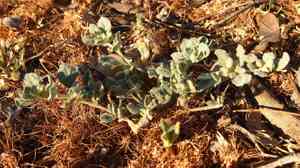
Hairy carpet weed (Glinus lotoides)
Also known as: Hairy Carpetweed,Huli-huli
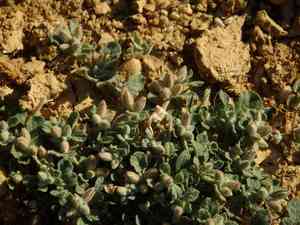
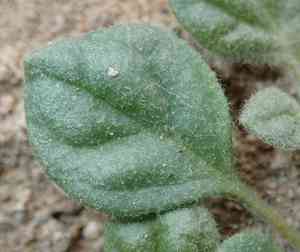
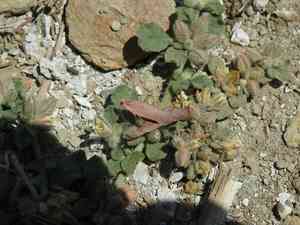
The herb in question is an annual, displaying a range from prostrate to moderately upright growth, with stems reaching lengths of up to 30 to 35 cm. These stems are notable for their felty, whitish hair covering. The leaves are oval or spade-shaped, arranged in whorls along the stem, and vary in size from a few millimeters to 3 cm in length. The plant's inflorescence consists of tight clusters of five to ten small flowers, each featuring five woolly sepals but lacking petals. The fruit is a small, oval capsule, approximately 4 mm long.
In This Article
Attributes of Hairy carpet weed
Lifespan
Annual
Plant Type
Herb
Plant Height
30 cm to 35 cm
Spread
Not applicable
Leaf Color
Green
Flower Size
0.5-1 cm
Flower Color
White Green
Images of Hairy carpet weed
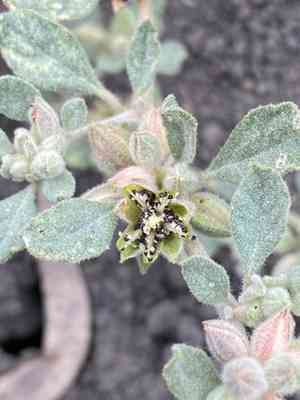
Quickly Identify Hairy carpet weed
1
Glinus lotoides can be identified by its fleshy, oblong leaves and clusters of small white flowers. It has a sprawling growth habit and often forms dense mats on the ground.
Scientific Classification of Hairy carpet weed
Phylum
Vascular plants
Class
Dicotyledons
Order
Caryophyllales
Family
Carpet-weeds
Genus
Glinus
Species
Hairy carpet weed
Planting and Growing of Hairy carpet weed
Care Difficulty
Easy
Watering Schedule
Every 4 days
Sunlight Requirements
Partial sun
Sunshine Duration
6-8 hours
Ideal Temperature
68-77℉
Soil Type
Potting Mix, Peat Mix
Soil pH
6.5-8
Fertilizer Type
Balanced
Pruning Season
Spring, Summer
Pruning Area
Branches, Leaves
Pruning Frequency
2 times a year
Repotting Season
Spring
Pot Type
Plastic, Ceramic
 How to Water Hairy carpet weed?
For Glinus lotoides, the watering amount should be enough to thoroughly moisten the soil, reaching deep into the root zone. The key is to ensure that the water penetrates at least 3 to 6 inches deep. The amount can vary based on the soil type and climate, but generally, around 300 milliliters per watering session is ideal.
What are the symptoms of an underwatered Hairy carpet weed?
›
What should I do if my Hairy carpet weed is not getting enough water?
›
What are the symptoms of an overwatered Hairy carpet weed?
›
How to save an overwatered Hairy carpet weed?
›
 What Are the Sunlight Requirements for Hairy carpet weed?
Glinus lotoides benefits from partial sun conditions, promoting optimal growth and ensuring vigorous health. The ideal light encourages balanced energy absorption without burning or undue stress.
What is the best light condition?
›
Solutions for ideal lighting
›
Benefits of ideal lighting
›
 What Is the Ideal Temperature Range for Hairy carpet weed?
For optimal growth, Glinus lotoides thrives in a temperature range between 68°F to 77°F. This range allows the plant to perform basic physiological processes efficiently, enhancing photosynthesis rate and nutrient uptake. Maintaining these temperatures may help avoid stress, ensuring full-blooming and robust foliage.
 What Soil is Best for Hairy carpet weed?
Glinus lotoides thrives in soil that is well-drained. This is crucial as it prevents waterlogging, ensuring the roots receive proper oxygen. This condition is beneficial as it promotes root health and prevents root rot, ultimately supporting vigorous plant growth. This plant prefers soil with moderate fertility. Excessively rich soil may hinder its growth by promoting leggy, weak structures. A balanced nutrient profile helps the plant achieve a strong, compact form, ideal for resisting environmental stresses and maximizing flowering. A sandy or loamy soil texture is ideal as it provides the perfect balance of moisture retention and drainage. This light texture ensures that the plant can access water and nutrients easily while minimizing the risk of compaction, improving root penetration and growth efficiency.
 How to Fertilize Hairy carpet weed?
For Glinus lotoides, a light application of liquid fertilizer is advisable. Use a diluted solution at one-fourth the recommended strength to avoid over-fertilizing. When applying granular fertilizers, a small handful, approximately 20 grams per square meter, is sufficient.
 How to Prune Hairy carpet weed?
Begin by using clean and sharp scissors or pruning shears to make clear cuts. Focus on removing any dead or diseased leaves and stems. Trim back overextended branches to maintain a neat shape. Be sure to cut close to the main stem without damaging it, ensuring a tidier appearance and promoting robust growth.
More About Pruning Techniques→
 How to Propagate Hairy carpet weed plant?
1
Collect seeds from mature Glinus lotoides plants when they are fully developed. Ensure that they are dry and free from any diseases or infections before storage or planting.
2
Sow the seeds on the surface of the prepared potting mix in seed trays. Lightly press them into the soil, but do not cover them entirely, as they need light to germinate.
3
Keep the soil consistently moist but not waterlogged. Use a spray bottle to gently water the surface, maintaining humidity around the seedlings to prevent drying out.
 How to Repot Hairy carpet weed plant?
1
Glinus lotoides should be repotted when you notice the roots starting to circle the pot or grow out of the drainage holes. This is usually once a year during spring or summer when the plant is actively growing. Repotting at this time will minimize stress and allow the plant to establish more quickly in its new home.
2
Choose a pot that offers adequate drainage and is just one size larger than the current one. A ceramic or terracotta pot is ideal because it breathes better, helping control moisture levels. Ensure the pot has drainage holes to prevent waterlogging, which can lead to root rot. A slightly bigger pot supports healthy growth without encouraging the plant to devote too much energy to root expansion.
3
Opt for well-draining sandy soil, as Glinus lotoides thrives in airy and loose substrates. The ideal potting mix should include a combination of sandy loam and organic matter to ensure necessary nutrients and avoid compaction. Such soil prevents root suffocation and retains enough moisture for plant health while ensuring excess water can drain efficiently.
Learn More About Hairy carpet weed Diseases
Anthracnose
Bacterial Leaf Spot
Bacterial Soft Rot
Bacterial Wilt
Chemical Injury
Damping-off
Downy Mildew
Drought Stress
Fusarium Wilt
Gray Mold
Leaf Spot
Mosaic
Nutrient Deficiency
Nutrient Toxicity
Powdery Mildew
Root Rot
Root-knot Nematode
Rusts
Sooty Mold
Spider Mites
Temperature Stress
Thrips Damage
White Mold



