How to Prune Corn marigold?
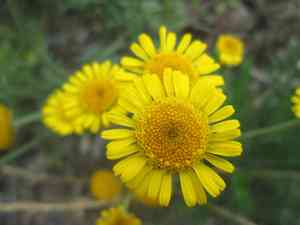
Celebrated for its vivid yellow blossoms, corn marigold enhances any garden with its lively presence. Consistently remove spent or withered flowers to stimulate fresh development and extend the blooming period. Trimming should coincide with the plant's active growth from spring to autumn. Annually eliminating one-third of mature stems fosters robust health. This pruning strategy yields a denser plant with more flowers and helps avert diseases by enhancing air movement.
What Are the Benefits of Pruning Corn Marigold?
What Are the Benefits of Pruning Corn Marigold?
Trimming corn marigold promotes vigorous development and maintains its desired shape. Strategic cuts can stimulate stems to produce more robust shoots, while shaping keeps the plant visually appealing and well-proportioned.
What Is the Best Time for Pruning Corn Marigold?
What Is the Best Time for Pruning Corn Marigold?
Pruning in Spring enables corn marigold to direct its energy into new growth following its dormant winter phase, supporting strong plant development. Early Summer trimming is advantageous for managing plant size and form, while fostering healthy air circulation within the foliage, which is vital for disease prevention. Late Fall pruning prepares corn marigold for winter by eliminating any dead or diseased wood, which can harbor pests or pathogens. This timing also prevents the plant from expending energy on maintaining unnecessary foliage during its inactive stage. These specific periods align with corn marigold's growth cycle, avoiding stress during flowering times and ensuring the least negative impact on its health and blooming potential.
What Tools Do I Need to Prune Corn Marigold?
Hand Pruners or Secateurs
Ideal for selectively cutting back and shaping corn marigold, as they allow precision in cutting stems of varying thicknesses without causing unnecessary damage to the plant.
Sharp Scissors
Suitable for trimming delicate stems and deadheading corn marigold flowers. Sharp scissors provide clean cuts, which are important for the plant's health and prevent the spread of diseases.
Gardening Gloves
Protects the hands from thorns and plant sap during the pruning process, ensuring a safe gardening experience.
Pruning Saw
Used for cutting through thicker branches that hand pruners cannot manage, if corn marigold is allowed to grow large and woody.
Disinfectant
Used to clean tools before and after pruning corn marigold, helping to prevent the spread of pests and diseases.
Loppers
Needed if corn marigold has large, thick stems or if you need to clear out a lot of material. Provides excellent leverage for thicker cuts with minimal effort.
How to Prune Corn Marigold
Sanitize
Before starting the pruning process, clean and sanitize pruning shears or scissors to prevent the spread of disease to corn marigold.
Identify
Locate withered or yellowing leaves on corn marigold that need to be removed. These are typically older leaves at the bottom of the plant that may be detracting from its appearance and health.
Cut
Using the clean shears, make precise cuts to remove the withered leaves at their base, close to the main stem of corn marigold, without harming healthy tissue.
Dispose
Collect all removed leaves and dispose of them properly to minimize the risk of disease and pests around corn marigold.
Monitor
After pruning, monitor corn marigold for new growth and signs of stress, adjusting care as necessary to maintain plant health.
Common Pruning Mistakes with Corn Marigold
Overpruning
Cutting back corn marigold too severely can stress the plant, potentially reducing its vigor and flowering capacity. Pruning more than one-third of the plant can lead to poor plant health.
Improper Tool Use
Corn marigold requires sharp and clean tools for proper pruning. Dull or dirty tools can damage the stems, introducing disease or inhibiting growth.
Removing Healthy Growth
It's a mistake to remove healthy shoots and leaves indiscriminately. These contribute to the overall energy production and fullness of corn marigold.
Ignoring Dead Or Diseased Growth
Failing to remove dead or diseased tissue can hinder corn marigold's growth and can facilitate the spread of pests or diseases throughout the plant.
Pruning Out Of Sequence
Pruning corn marigold randomly, without an understanding of how and where new growth generates, can result in uneven growth and diminished flowering.
Common Pruning Tips for Corn Marigold
Selective Pruning
Carefully select which stems to prune based on their condition and position. Removing just the right amount of growth can promote a bushier plant with more flowers.
Clean Cuts
Make clean cuts at a 45-degree angle just above a leaf node or bud to encourage corn marigold to produce new growth and prevent disease.
Disinfect Tools
Before and after pruning corn marigold, disinfect your tools to minimize the risk of spreading disease between plants.
Thin Out Dense Areas
Thin out dense areas to allow light and air to reach the inner parts of corn marigold, reducing the risk of disease and encouraging more robust growth.
Deadheading
Regularly remove spent blooms of corn marigold to promote continuous blooming and prevent seed formation, which can divert energy from further flowering.



