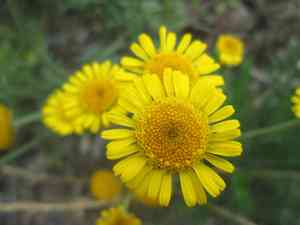
Corn marigold (Glebionis segetum)
Also known as: Yellow ox-eye marigold
Corn marigold (Glebionis segetum) is an annual plant that showcases bright yellow, daisy-like flowers from summer through fall. While it can adapt to various soil types, it grows best in well-drained, moderately fertile soil with a slightly acidic to neutral pH. This plant flourishes in full sunlight and, although often regarded as a weed in certain regions, can be managed effectively. Additionally, it is known to attract bees, butterflies, and moths.
In This Article
Attributes of Corn marigold
Lifespan
Annual, Biennial, Perennial
Plant Type
Herb
Plant Height
80 cm
Spread
30 cm
Leaf Color
Green
Flower Size
3.5 cm to 6 cm
Flower Color
Yellow
Images of Corn marigold

Quickly Identify Corn marigold
1
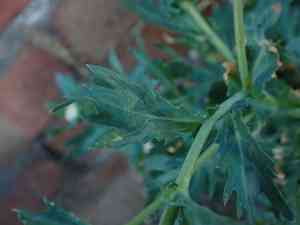
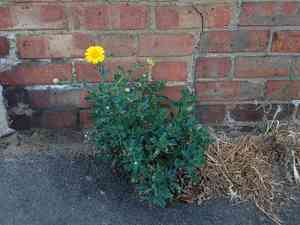
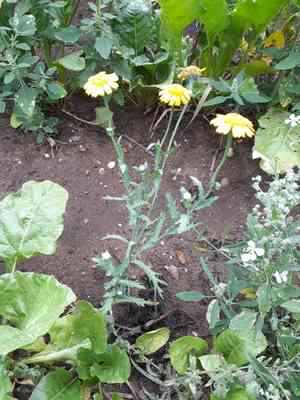
Glebionis segetum can be identified by its bright yellow, daisy-like flowers and slightly toothed, lobed leaves. The plant has a somewhat bushy appearance and typically grows to a moderate height.
Scientific Classification of Corn marigold
Phylum
Vascular plants
Class
Dicotyledons
Order
Asterales
Family
Daisy
Genus
Glebionis
Species
Corn marigold
Planting and Growing of Corn marigold
Care Difficulty
Easy
Watering Schedule
Every 4 days
Sunlight Requirements
Full sun
Sunshine Duration
4-8 hours
Ideal Temperature
60-70℉
Soil Type
Potting Mix, Peat Mix
Soil pH
6.5-7.5
Fertilizer Type
Balanced
Pruning Season
Spring, Summer
Pruning Area
Branches, Leaves
Pruning Frequency
2 times a year
Repotting Season
Spring
Pot Type
Plastic, Ceramic
 How to Water Corn marigold?
When watering Glebionis segetum, it's crucial to pour approximately 300 ml of water per session. Ensure the soil is moist but not soggy, mimicking the natural conditions where the plant thrives. This amount provides the right balance, allowing water to run through the drainage holes without leaving the soil overly drenched.
What are the symptoms of an underwatered Corn marigold?
›
What should I do if my Corn marigold is not getting enough water?
›
What are the symptoms of an overwatered Corn marigold?
›
How to save an overwatered Corn marigold?
›
 What Are the Sunlight Requirements for Corn marigold?
Glebionis segetum ideally thrives in full to partial sun conditions. This optimal lighting range promotes vibrant flower blooms and healthy foliage, enhancing the plant's overall aesthetic appeal and ecological functionality.
More About Sunlight Requirements Techniques→
What is the best way to provide light?
›
How can indirect light be maximized?
›
What benefits does ideal light bring?
›
 What Is the Ideal Temperature Range for Corn marigold?
The ideal temperature range for Glebionis segetum is between 60°F and 70°F. This range allows for optimal growth and development by providing the right environment for photosynthesis and nutrient uptake. It is within this range that the plant's physiological processes function most efficiently, promoting healthy foliage and blooms.
 What Soil is Best for Corn marigold?
Glebionis segetum thrives best in nutrient-rich soil that provides essential minerals. This ensures robust growth and abundant flowering, making it crucial for garden vitality and plant health. This plant prefers well-drained soil that prevents waterlogging. Proper drainage means roots receive enough oxygen, prevents root rot, and supports healthy root development. Glebionis segetum favors soil with moderate moisture levels. This balance avoids drought stress, ensures steady growth, and maximizes flower production throughout the growing season.
 How to Fertilize Corn marigold?
For Glebionis segetum, it's crucial to provide balanced fertilization for healthy growth. Use a well-balanced liquid fertilizer diluted to half strength for monthly applications, ensuring nutrients are available without overwhelming the plant. Annually, apply about 2 to 3 tablespoons of slow-release fertilizer around the base of the plant, integrating it gently into the soil for even nutrient distribution throughout the year.
 How to Prune Corn marigold?
Always select sharp and clean pruning shears when working with Glebionis segetum. Clean tools reduce the risk of transmitting diseases between plants. Ensure your tools are appropriate for the size of the branches you're trimming. For the best results, aim to prune during the early part of the day when the plant is well-hydrated. Avoid pruning in extremely hot or dry conditions as this can stress the plant unnecessarily and hinder recovery. Before and after pruning, it's crucial to disinfect your tools, especially if you have used them on another plant. This helps prevent the spread of any pathogens that might not be visually apparent but can cause significant harm to the plant.
More About Pruning Techniques→
 How to Propagate Corn marigold plant?
1
Fill a seed tray with a well-draining potting mix, ensuring it's evenly layered. Avoid compacting the soil too much as it can restrict seedling growth.
2
Sprinkle the Glebionis segetum seeds evenly over the prepared soil surface and gently press them down. Avoid burying them too deep as they need light to germinate.
3
Using a watering can with a fine rose, gently water the seeds to keep the soil moist. Ensure that the soil is consistently moist but not waterlogged to prevent rot.
 How to Repot Corn marigold plant?
1
The ideal time to repot Glebionis segetum is when you observe that the roots start growing out of the drainage holes. Another sign is when the plant's growth appears stunted, indicating it's becoming root-bound. Repot during Spring or Autumn for best results.
2
Select a pot that is one size larger than the current one, with ample drainage holes to prevent waterlogging. The new pot should allow enough room for root expansion, ensuring healthier growth and preventing root rot.
3
Opt for well-draining garden soil mixed with a bit of perlite or sand. This ensures that water moves freely through the soil, preventing the roots from sitting in excess moisture, which could lead to fungal diseases.
Learn More About Corn marigold Diseases
Anthracnose
Bacterial Leaf Spot
Bacterial Soft Rot
Bacterial Wilt
Black Spot
Chemical Injury
Damping-off
Downy Mildew
Drought Stress
Fusarium Wilt
Gray Mold
Leaf Spot
Mosaic
Nutrient Deficiency
Nutrient Toxicity
Powdery Mildew
Root Rot
Root-knot Nematode
Rusts
Sooty Mold
Spider Mites
Temperature Stress
Thrips Damage
White Mold



