How to Prune Southwestern mock vervain?
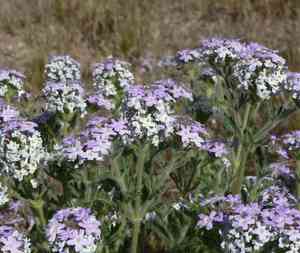
This resilient, flowering perennial flourishes with trimming in the initial part of spring or the latter part of winter. Reduce southwestern mock vervain by approximately one-third to stimulate compact development and abundant blossoms. Concentrate on eliminating lifeless or compromised stalks and faded blooms to foster fresh flowering. Trimming additionally aids in preserving a controllable dimension, boosting the plant's vitality and well-being. Verify that your implements are keen and sanitized to avert illness. Adhering to these guidelines will yield a lively, thriving focal point for your garden.
What Are the Advantages of Trimming Southwestern Mock Vervain?
What Are the Advantages of Trimming Southwestern Mock Vervain?
Southwestern mock vervain greatly benefits from trimming as it encourages robust development and helps preserve its form. Pruning fosters healthy new growth, boosts blooming, aids in managing plant size, and improves overall aesthetics while lowering risks of pests and diseases.
When Is the Optimal Time for Trimming Southwestern Mock Vervain?
When Is the Optimal Time for Trimming Southwestern Mock Vervain?
Early spring and late winter are ideal for trimming southwestern mock vervain due to its growth cycle. Pruning in late winter ensures the plant remains dormant, minimizing shock and promoting healthier regrowth. Early spring pruning stimulates vibrant new growth and prepares the plant for its flowering period, as southwestern mock vervain blooms in late spring and early summer. Trimming during these seasons helps the plant maintain its shape and encourages strong, healthy development without disrupting the blooming cycle.
What Equipment Do I Need to Trim Southwestern Mock Vervain?
Hand Pruners
Hand pruners are best for precise cuts on the soft stems of southwestern mock vervain. Their compact size allows for detailed trimming tasks.
Bypass Pruners
Bypass pruners are suitable for making clean cuts on living stems and branches up to 1/2 inch in diameter, which is typical for southwestern mock vervain.
Pruning Scissors
Pruning scissors offer accuracy for detailed trimming jobs and are perfect for delicate parts of southwestern mock vervain.
Long-Handled Loppers
Loppers are not usually necessary for southwestern mock vervain since it generally does not have thick stems, but they can be useful for reaching into the middle of denser clusters without damaging the plant.
How to Trim Southwestern Mock Vervain
Tool preparation
Gather clean, sharp pruning shears to ensure clean cuts and prevent disease transmission.
Inspection
Examine southwestern mock vervain thoroughly to identify any diseased or withered leaves that need removal.
Diseased leaf removal
Carefully cut off diseased leaves, making sure to remove the entire diseased area to prevent spread.
Withered leaf removal
Trim away withered and yellowing leaves to maintain plant health and appearance.
Disposal
Dispose of the removed leaves away from the plant to prevent potential disease problems, preferably in a sealed bag or a compost bin away from healthy plants.
Common Trimming Errors with Southwestern Mock Vervain
Improper Tools
Using dull or inappropriate tools can cause ragged cuts, leading to increased susceptibility to disease.
Over-pruning
Removing too much foliage can stress southwestern mock vervain, inhibiting its growth and flowering potential.
Incorrect Cuts
Making cuts too close to the main stem or leaving stubs can harm southwestern mock vervain, affecting its overall health and structure.
Ignoring Damaged Parts
Failing to remove dead or damaged stems can lead to disease spread and weaken southwestern mock vervain.
Common Trimming Advice for Southwestern Mock Vervain
Use Sharp, Clean Tools
Ensure your pruning shears or scissors are sharp and sanitized to make clean cuts and prevent disease transmission.
Moderate Pruning
Trim no more than a third of southwestern mock vervain's foliage at a time to avoid excessive stress and promote vigorous growth.
Target Pruning
Make cuts just above a leaf node or bud to encourage new growth and maintain the natural shape of southwestern mock vervain.
Remove Dead Wood
Regularly remove dead or diseased stems to enhance airflow and reduce the risk of disease.



