How to Prune Moradia?
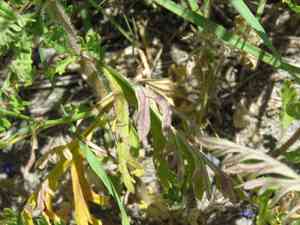
Moradia is a lively perennial recognized for its vivid flowers and spreading nature. Trim in early spring or late winter, eliminating deceased or injured stalks to foster robust development. Form the plant by shortening excessive branches, guaranteeing improved air movement and light exposure. Consistent trimming encourages abundant flowering and preserves a neat look. Always employ sharp, sanitized implements to avert diseases and aid the plant's inherent growth pattern.
Advantages of Trimming Moradia
Advantages of Trimming Moradia
Moradia benefits from trimming by encouraging robust development and maintaining its form. It boosts flowering, manages plant dimensions, and enhances overall look while resisting pests and diseases, ensuring a healthy and appealing garden presence.
Optimal Time for Trimming Moradia
Optimal Time for Trimming Moradia
Trimming moradia in early spring or late winter is best because this period aligns with the plant's dormant phase. Pruning during dormancy helps minimize stress and promotes vigorous regrowth. Additionally, it prepares the plant for the upcoming growth season, boosting its flowering potential. Trimming before new growth begins ensures energy is directed towards fresh, healthy shoots rather than maintaining old or damaged wood. Following these guidelines helps maintain moradia's overall health and beauty.
Required Tools for Trimming Moradia
Hand Pruners (Bypass Pruners)
Perfect for making clean cuts on small stems and branches, crucial for preserving moradia's shape and health.
Pruning Shears
Useful for detailed and accurate trimming tasks, allowing precise control when cutting moradia's smaller growths.
Hedge Shears
Suitable for shaping and trimming larger areas, especially beneficial for maintaining moradia's compact form and appearance.
Pruning Saw
Essential for cutting through thicker branches when rejuvenation or significant reshaping is needed for moradia.
Loppers
Effective for reaching higher or difficult-to-access areas and for cutting thicker stems that hand pruners cannot manage, ensuring moradia remains well-kept.
How to Trim Moradia
Evaluate
Carefully inspect moradia to identify and mark diseased and withered leaves that require removal.
Tool Selection
Choose appropriate tools such as sterilized pruning shears or scissors to ensure clean cuts, preventing disease spread.
Remove Diseased
Eliminate all diseased leaves by cutting them at their base where they connect to healthy stems, ensuring no infection traces remain on the plant.
Remove Withered
Trim withered leaves by cutting them as close to the base as possible without harming moradia's healthy parts.
Discard
Properly dispose of all removed plant material, especially diseased leaves, to prevent contamination of compost or other plants.
Common Trimming Errors with Moradia
Incorrect technique
Using dull or unsuitable tools can create ragged cuts that invite disease. Always use clean, sharp pruning shears for a precise cut.
Excessive trimming
Removing too much foliage at once can stress moradia and hinder its growth. Trim cautiously, especially if uncertain about the amount to remove.
Trimming at the wrong growth stage
Pruning moradia at an inappropriate developmental stage can lead to fewer blooms. Avoid trimming when the plant is actively forming buds.
Neglecting tool sterilization
Failing to clean tools between cuts can spread disease. Always sterilize pruning shears with a solution like alcohol before and after use.
General Trimming Advice for Moradia
Utilize correct tools
Select sharp, clean pruning shears appropriate for the branch size you're cutting. Bypass pruners are ideal for accurate cuts.
Know where to cut
Always make cuts just above a node or a bud facing the desired direction of new growth. This promotes healthy branching.
Remove dead or diseased wood
Prioritize cutting away any dead, diseased, or damaged branches first. This prevents disease spread and improves overall plant health.
Thin out crowded areas
If moradia has become too dense, selectively remove some branches to allow light and air to penetrate the canopy, which encourages healthy growth and reduces pest issues.
Maintain balance
Ensure the plant retains its natural shape. Trimming should enhance the plant's form, not drastically alter it. Symmetry and balanced cuts help maintain the plantâs aesthetic appeal.


