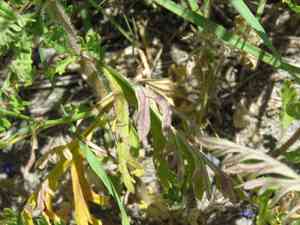
Moradia (Glandularia delticola)
Also known as: None
A resilient herbaceous perennial, Purple Loosestrife thrives in the nutrient-rich alluvial soils of river deltas. Its striking violet to magenta flowers cluster atop robust stems, creating a vivid contrast with its green, serrated leaves. Adapted to both wet conditions and occasional dryness, Purple Loosestrife exemplifies the adaptive beauty of native flora.
In This Article
Attributes of Moradia
Lifespan
Perennial
Plant Type
Herb
Plant Height
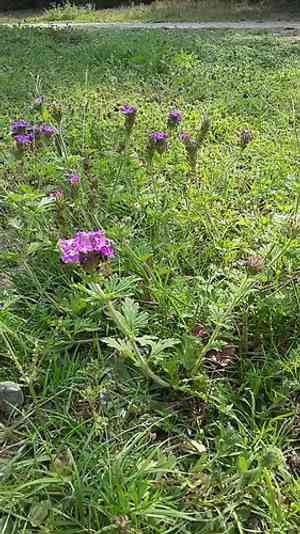
Approximately 30-60 cm
Spread
20-40 cm
Leaf Color
Green
Flower Size
1-2 cm
Flower Color
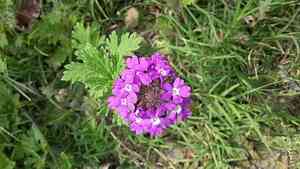
Pink, purple, white
Images of Moradia
Quickly Identify Moradia
1
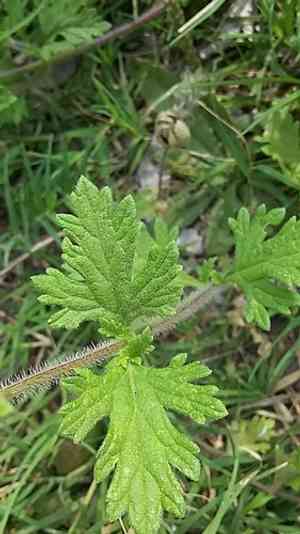
Glandularia delticola can be identified by its glandular-hairy stems, opposite leaves, and clusters of small, colorful flowers. The leaves are typically toothed and covered with fine hairs.
Scientific Classification of Moradia
Phylum
Vascular plants
Class
Dicotyledons
Order
Lamiales
Family
Verbena
Genus
Mock vervain
Species
Moradia
Planting and Growing of Moradia
Care Difficulty
Moderate
Watering Schedule
Every 3 days
Sunlight Requirements
Full sun
Sunshine Duration
4-8 hours
Ideal Temperature
65-75℉
Soil Type
Potting Mix, Peat Mix
Soil pH
6.5-7.5
Fertilizer Type
Balanced
Pruning Season
Spring, Summer
Pruning Area
Branches, Leaves
Pruning Frequency
2 times a year
Repotting Season
Spring
Pot Type
Plastic, Ceramic
 How to Water Moradia?
For Glandularia delticola, it's essential to water them till the soil is moist but not waterlogged. Approximately 250 ml per watering session is ideal. The aim is to provide enough moisture for the roots without drowning them, allowing the soil to drain effectively.
What are the symptoms of an underwatered Moradia?
›
What should I do if my Moradia is not getting enough water?
›
What are the symptoms of an overwatered Moradia?
›
How to save an overwatered Moradia?
›
 What Are the Sunlight Requirements for Moradia?
Glandularia delticola benefits from being in full sun to partial sun environments, optimizing its growth and blossoming. This ideal light condition encourages robust and vibrant flowering.
How much sunlight does Glandularia delticola need daily?
›
What solutions help Glandularia delticola receive ideal lighting?
›
What benefits arise from ideal lighting for Glandularia delticola?
›
 What Is the Ideal Temperature Range for Moradia?
Glandularia delticola thrives best in temperatures ranging from 65°F to 75°F. This range ensures optimal growth and flowering, as it closely mimics the plant's native climate. The moderate warmth allows the plant to carry out effective photosynthesis and maintain consistent development. Within this temperature band, Glandularia delticola can utilize nutrients efficiently, enhancing its overall vitality.
 What Soil is Best for Moradia?
Glandularia delticola thrives in well-drained soil. This prevents waterlogging, which ensures the roots receive the optimal amount of oxygen, promoting healthy plant growth and reducing the risk of root rot. A nutrient-rich substrate is essential for Glandularia delticola's growth. The presence of essential nutrients like nitrogen, phosphorus, and potassium supports vigorous flowering and foliage, resulting in a lush plant. While Glandularia delticola requires well-drained soil, retaining some moisture is crucial. This ensures that the plant has consistent access to water, crucial for maintaining turgor pressure and preventing wilting.
 How to Fertilize Moradia?
For Glandularia delticola, the recommended amount of fertilizer is generally a balanced 10-10-10 NPK formulation. Apply it in moderation, ensuring each application does not exceed one tablespoon per gallon of water for liquid fertilizers. For solid fertilizers, use around one-fourth cup per square meter of soil. This moderate feed maintains optimal growth and prevents nutrient overload, which can harm plant health.
 How to Prune Moradia?
Begin by removing any dead or yellowing foliage to keep the plant healthy. Next, cut back any stems that are growing awkwardly or too long, shaping the plant to your desired form. Finally, inspect the base of the plant for any shoots that are growing directly from the ground and remove them. For a bushier appearance, pinch back the tips of stems, which encourages lateral growth. This technique helps in creating a fuller and more aesthetically pleasing plant.
More About Pruning Techniques→
 How to Propagate Moradia plant?
1
Begin by preparing a well-draining soil mix. Glandularia delticola thrives in a blend of potting soil, sand, and perlite. This mix provides adequate drainage and aeration for seedling and cutting development.
2
For seed propagation, sow the seeds in a seed starting tray filled with soil mix. Lightly cover the seeds with soil and mist lightly to maintain moisture without waterlogging. Cover the tray with a plastic dome to retain humidity.
3
For cutting propagation, take semi-hardwood cuttings of about 4-6 inches from a healthy parent plant. Dip the ends in rooting hormone before planting in the prepared soil medium. Ensure consistent moistness for successful rooting.
 How to Repot Moradia plant?
1
Glandularia delticola should be repotted when you notice roots growing out of the drainage holes or the soil becomes compacted. This usually indicates that the plant has outgrown its current pot. Repotting is best done in spring or early autumn, giving the plant ample time to set roots before extreme weather sets in.
2
Select a pot that is one size larger than the current one, ideally made of terracotta or another material that allows breathability. Ensure it has drainage holes to prevent waterlogging. A well-chosen pot supports root growth and prevents root rot by allowing excess water to escape easily.
3
Opt for a well-draining potting mix with added perlite or sand to improve drainage. The soil should be light yet rich in nutrients to support healthy growth. This mix mimics the plant's natural habitat and helps to prevent water stagnation, promoting robust root development.
Learn More About Moradia Diseases
Anthracnose
Bacterial Leaf Spot
Bacterial Soft Rot
Bacterial Wilt
Black Spot
Chemical Injury
Crown Gall
Damping-off
Downy Mildew
Drought Stress
Fusarium Wilt
Gray Mold
Leaf Curl
Leaf Spot
Mosaic
Nutrient Deficiency
Nutrient Toxicity
Powdery Mildew
Root Rot
Root-knot Nematode
Rusts
Sooty Mold
Spider Mites
Temperature Stress
Thrips Damage
White Mold


