How to Prune Common bluecup?
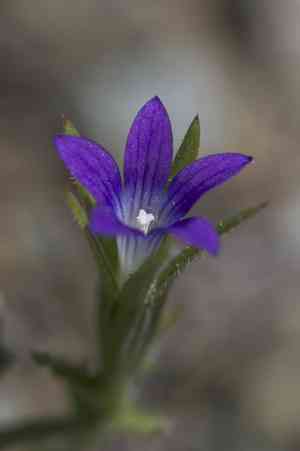
Bluecup is a unique botanical specimen recognized for its vivid blossoms. Optimal trimming should be performed in spring, summer, and autumn to stimulate development and preserve its form. Removing faded flowers improves the plant's aesthetic and fosters a more robust growth pattern. Trimming additionally prevents excessive growth and guarantees that sunlight reaches every section of bluecup. Cultivators must utilize sanitized, sharp implements to prevent harm to the fragile stalks, offering particular attention to this attractive variety.
What Are the Benefits of Pruning Common Bluecup?
What Are the Benefits of Pruning Common Bluecup?
Trimming common bluecup encourages robust development and helps maintain its desired form. Regular cutting promotes a denser structure, enhancing its overall look and vitality by removing weak branches.
What Is the Best Time for Pruning Common Bluecup?
What Is the Best Time for Pruning Common Bluecup?
Pruning or trimming common bluecup during Spring, Summer, and Fall aligns with its active growth phases, enhancing the plant's health and vigor. In Spring, pruning helps to remove any winter damage and stimulates new growth that contributes to a lush appearance. During Summer, strategic trimming can manage shape and size, as well as improve air circulation within the foliage, which is crucial for preventing disease. Fall pruning is beneficial for removing old or dead growth, preparing common bluecup for the dormant winter period while reducing the likelihood of disease and pest infestation.
What Tools Do I Need to Prune Common Bluecup?
Hand Pruners
Perfect for making precise cuts on young or slender stems of common bluecup, enabling healthy growth and upkeep without harming delicate stems.
Gardening Scissors
These are essential for delicately snipping off dead or overgrown foliage, thereby preserving the aesthetic appeal and overall health of common bluecup.
How to Prune Common Bluecup
Identify
Locate withered or dead leaves on common bluecup. Inspect the plant thoroughly to ensure that only the affected leaves are targeted for removal.
Clean tools
Sanitize pruning tools before use to prevent the spread of diseases. Clean the shears or scissors with a solution of one part bleach to nine parts water.
Prune
Carefully trim off the withered leaves at the base where they meet the stem. Avoid tearing or pulling leaves to prevent damage to common bluecup.
Dispose
Remove and properly dispose of the withered leaves by placing them in a compost or organic waste bin. Do not leave trimmed foliage on the ground as it may harbor pests or diseases.
Care post pruning
Monitor common bluecup after pruning for any signs of stress or further deterioration. Ensure proper care by maintaining adequate watering and avoiding over-fertilization.
Common Pruning Mistakes with Common Bluecup
Overpruning
A common mistake is removing too much foliage from common bluecup, which can significantly weaken the plant. Common bluecup requires only light pruning to shape the plant and remove dead or diseased parts. Overpruning can stress the plant, leading to reduced vigor and fewer blooms.
Improper cutting technique
Novice gardeners often make cuts too close to the main stem or leave too long of a stub when pruning common bluecup. Both mistakes can harm the plant by either damaging the primary growth nodes or by allowing diseases to enter through the stubs.
Ignoring health and structure
When pruning common bluecup, it's crucial to assess the health and structure of the plant. Removing healthy, vital growth instead of targeting just the overgrown or unhealthy parts can hinder rather than help the plant's development.
Common Pruning Tips for Common Bluecup
Sterilize tools
Before and after pruning common bluecup, always sterilize your cutting tools. This practice prevents the spread of disease between plants and ensures clean cuts that heal more rapidly.
Prune for shape and health
Focus on lightly pruning common bluecup to maintain its natural shape and improve air circulation. Remove only the dead, damaged, or overgrown branches, which helps promote healthy growth and flowering. This targeted approach will preserve the plant's aesthetics and overall health.
Cut at the right angle
Make cuts at a 45-degree angle about 1/4 inch above a leaf node or bud to encourage proper healing and new growth in common bluecup. This technique also helps water to run off the cut surface, reducing the risk of disease.
Observe response to pruning
Monitor how common bluecup responds to pruning to better understand its growth pattern and needs. This observational approach allows gardeners to adjust their pruning technique and timing to better suit the individual plant's performance.



