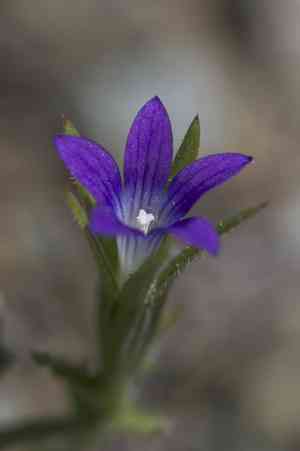
Common bluecup (Githopsis specularioides)
Also known as: None
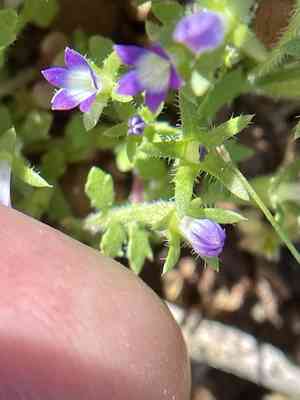
Githopsis specularioides, commonly called the common bluecup, is an annual herb that produces tiny tubular flowers featuring white throats and five pointed purple petals. It is native to the west coast of North America, ranging from California up to British Columbia.
In This Article
Attributes of Common bluecup
Lifespan
Annual
Plant Type
Herb
Plant Height
5-30 cm
Spread
N/A
Leaf Color
Green
Flower Size
1-2 cm
Flower Color
Blue, Lavender
Images of Common bluecup
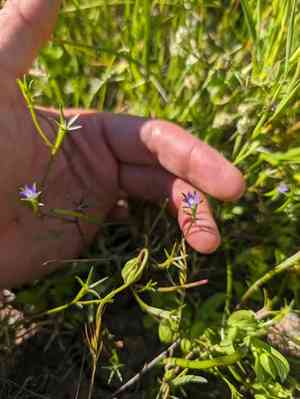
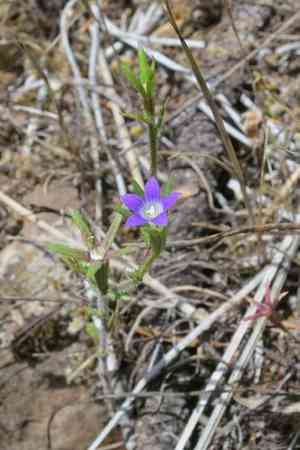
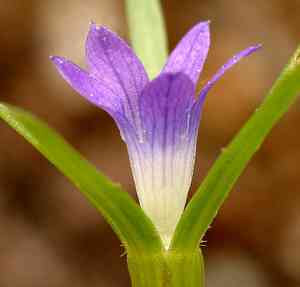
Quickly Identify Common bluecup
1
Githopsis specularioides can be identified by its small, tubular, blue or lavender flowers with five lobes. The plant tends to be low-growing with slender, often branched stems and small leaves.
Scientific Classification of Common bluecup
Phylum
Vascular plants
Class
Dicotyledons
Order
Asterales
Family
Bellflower
Genus
Bluecup
Species
Common bluecup
Planting and Growing of Common bluecup
Care Difficulty
Easy
Watering Schedule
Every 2 days
Sunlight Requirements
Partial sun
Sunshine Duration
4-8 hours
Ideal Temperature
65-75℉
Soil Type
Potting Mix, Peat Mix
Soil pH
6-7.5
Fertilizer Type
Balanced
Pruning Season
Spring, Summer
Pruning Area
Branches, Leaves
Pruning Frequency
2 times a year
Repotting Season
Spring
Pot Type
Plastic, Ceramic
 How to Water Common bluecup?
For Githopsis specularioides, it's important to water enough to moisten the soil, while ensuring excess water can drain out. Aim for 150 ml per session, allowing the water to soak in without leaving the soil waterlogged.
What are the symptoms of an underwatered Common bluecup?
›
What should I do if my Common bluecup is not getting enough water?
›
What are the symptoms of an overwatered Common bluecup?
›
How to save an overwatered Common bluecup?
›
 What Are the Sunlight Requirements for Common bluecup?
The ideal light range for Githopsis specularioides is partial sun to dappled light. This allows optimal photosynthesis, fostering robust bloom production and maintaining healthy foliage. Adequate light promotes systemic health and resilience.
What is the ideal lighting condition for Githopsis specularioides?
›
How can I achieve ideal lighting for Githopsis specularioides?
›
What are the benefits of ideal light conditions for Githopsis specularioides?
›
 What Is the Ideal Temperature Range for Common bluecup?
For optimal growth, Githopsis specularioides thrives in temperatures between 65 to 75 degrees Fahrenheit. This range ensures the plant gets enough warmth to support its metabolic functions without stressing from extreme conditions. Maintaining this temperature promotes healthy foliage, vibrant blooms, and overall plant vigor.
 What Soil is Best for Common bluecup?
Githopsis specularioides thrives in well-draining soil, which ensures that excess water doesn't lead to root rot—a common enemy of many plants. The right drainage keeps the roots healthy and allows them to access nutrients efficiently. This plant favors soil that is rich in organic matter, enhancing its growth and flowering potential. Organic compounds provide essential nutrients, promoting robust plant health and vibrant blooms. Maintaining moderate soil moisture is crucial for Githopsis specularioides. The right moisture level prevents the soil from becoming too dry or too soggy, balancing the plant's hydration needs and promoting steady growth.
 How to Fertilize Common bluecup?
Githopsis specularioides thrives with a balanced amount of nutrients. When applying liquid fertilizers, aim for a dilution of 1/4 the recommended strength, ensuring the plant receives adequate nutrients without overwhelming its delicate system.
 How to Prune Common bluecup?
Regularly inspect Githopsis specularioides for any signs of physical damage or decay. Start pruning by removing these parts first to prevent disease spread. Trim the plant to maintain a round and compact shape, which encourages more blooms and prevents it from becoming too sprawling. Focus on central stems for thickening. Pinch back the tips of branches to encourage a bushier plant. This should be done when the plant is actively growing, ensuring a fuller and more attractive appearance.
More About Pruning Techniques→
 How to Propagate Common bluecup plant?
1
Ensure that the seeds are harvested from mature and healthy plants. Allow the seed pods to dry on the plant, and then gently open them to collect the seeds.
2
Select healthy stems for cuttings and cut them at a 45-degree angle. Each cutting should be at least 4-6 inches long to promote rooting.
3
Plant the seeds in a seed tray filled with a sterile seed starting mix. Insert cuttings into the soil or water until roots develop before transplanting.
 How to Repot Common bluecup plant?
1
Githopsis specularioides signals the need for repotting when its roots visibly encircle the pot or emerge from the drainage holes. Additionally, if the plant's growth seems stunted or it dries out too quickly, it's time to move it to a new home. Repotting in spring or summer takes advantage of the active growth phase, ensuring the plant adjusts rapidly to new conditions.
2
Select a pot that is one size larger than the current one, with ample drainage holes to prevent waterlogging. Clay or terracotta pots are excellent as they allow soil to dry out between watering, reducing the risk of root rot. The size increase should be gradual to prevent overwatering issues in an oversized pot.
3
Choose a well-draining, sandy mix that replicates the plant's natural alpine habitat. This type of soil minimizes risks of root rot, providing excellent aeration and adequate moisture retention without becoming waterlogged. Incorporating gritty sand or perlite can enhance drainage, offering the plant a robust root environment.



