How to Prune Giant stripy bamboo?
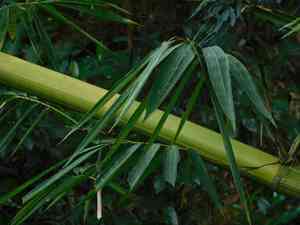
This tall, clustering bamboo necessitates trimming to preserve its form and encourage robust development. Essential methods involve reducing the density of aged and frail culms, and severing branches from the bottom third to improve airflow. Perform pruning in early spring or during winter prior to the onset of new growth. Trimming giant stripy bamboo encourages fresh sprouts, guarantees room for developing culms, and can manage its dimensions for desired visual appeal. Always employ sanitized, sharp implements to avert the spread of pathogens.
What Are the Benefits of Pruning Giant Stripy Bamboo?
What Are the Benefits of Pruning Giant Stripy Bamboo?
Trimming giant stripy bamboo encourages robust new growth, ensuring a strong framework. Regular cutting helps maintain its desired form and size, keeping giant stripy bamboo visually appealing and well-managed in the landscape.
What Is the Best Time for Pruning Giant Stripy Bamboo?
What Is the Best Time for Pruning Giant Stripy Bamboo?
Early spring is considered the ideal period for pruning giant stripy bamboo as it precedes the main growth phase. Pruning at this time leverages the plant's natural growth cycle, stimulating fresh growth as the season commences. Additionally, early spring pruning allows for the removal of any winter-damaged culms before the plant expends energy on them. Winter is also a suitable pruning season for giant stripy bamboo because the plant is typically dormant. This timing minimizes plant stress and the risk of disease spread through cuts. Furthermore, without foliage, it's easier to observe the structure of giant stripy bamboo and make more precise pruning decisions.
What Tools Do I Need to Prune Giant Stripy Bamboo?
Heavy-duty Pruning Shears
Suitable for precisely cutting smaller, softer stems and leaves. Their sharp, hardened steel blades can handle routine maintenance pruning of giant stripy bamboo.
Loppers
Perfect for trimming larger stems and branches, typically up to 2 inches in diameter, that cannot be cut with shears. The long handles provide extra leverage and reach, essential for tackling the thicker growth of giant stripy bamboo.
Pruning Saw
Essential for cutting through the thickest culms of giant stripy bamboo that are too large for loppers. It allows for cutting larger diameter culms with greater control and efficiency.
Hand Pruners
Useful for detailed work and cutting smaller shoots of giant stripy bamboo, as well as thinning out smaller, dense clumps of foliage for improved light penetration and air circulation.
Chainsaw (optional)
For managing a large stand of giant stripy bamboo or removing old, very thick culms, a chainsaw can be effective. However, it should only be used by experienced individuals with safety gear due to the inherent risks.
How to Prune Giant Stripy Bamboo
Identify
Carefully inspect giant stripy bamboo to locate diseased and withered leaves. Look for any discoloration, spots, or signs of decay indicating disease, and check for leaves that are brown, brittle, or clearly dead.
Sanitize
Disinfect your pruning tools with a solution of one part bleach to nine parts water to prevent disease transmission. Ensure cutting instruments are sharp to make clean cuts.
Prune diseased
Using your sanitized tools, carefully remove diseased leaves by cutting them at the base where the leaf meets the stem. Avoid pulling or tearing leaves, as this can harm giant stripy bamboo's delicate stems.
Prune withered
Prune withered leaves similarly, making the cut at the leaf's base to remove it completely without leaving stubs that could lead to decay or infection.
Cleanup
Gather and dispose of all pruned material away from giant stripy bamboo and other plants to prevent the spread of any potential pathogens. Clean your tools again after trimming to maintain their condition and effectiveness.
Common Pruning Mistakes with Giant Stripy Bamboo
Over-pruning
Removing too much foliage from giant stripy bamboo can weaken it. Never remove more than a third of the plant in a single pruning session.
Wrong cutting technique
Using incorrect cutting methods, such as tearing or making jagged cuts, can damage giant stripy bamboo's culms and potentially introduce pests or diseases.
Ignoring dead culms
Failing to remove dead or damaged culms can impede the growth of giant stripy bamboo by occupying space and nutrients that could benefit new growth.
Pruning without sharp tools
Using dull or dirty pruning tools can lead to imprecise cuts and increase the risk of transmitting diseases to giant stripy bamboo.
Disregarding culm age
Pruning culms that are not of the appropriate age can affect the plant's development. Generally, it's best to prune culms older than 3 years.
Common Pruning Tips for Giant Stripy Bamboo
Selective pruning
Choose culms of giant stripy bamboo to prune based on age and condition, targeting older and less productive ones while preserving vibrant, healthy culms.
Tool sanitization
Always use clean, sharp tools to make clean cuts on giant stripy bamboo, which will heal quicker and reduce disease risks.
Cut location
Make cuts on giant stripy bamboo above the node to encourage new lateral branch growth and prevent water from accumulating in the cut end, which can lead to rot.
Maintain structure
When pruning giant stripy bamboo, maintain its natural shape and structure for aesthetic purposes, and to ensure that it can continue to support itself.
Post-pruning care
After pruning giant stripy bamboo, apply a suitable bamboo fertilizer to support recovery and new growth. Water the plant sufficiently, especially in dry periods.



