
Giant stripy bamboo (Gigantochloa verticillata)
Also known as: Whorled bamboo
Giant stripy bamboo (Gigantochloa verticillata) is a species of bamboo cultivated both commercially and ornamentally, yet it is seldom encountered in natural settings. The sturdy canes of this bamboo are utilized in making furniture, constructing water pipes, and various building projects. Additionally, the young canes are often woven into baskets and occasionally crafted into musical instruments.
In This Article
Attributes of Giant stripy bamboo
Lifespan
Perennial
Plant Type
Grass
Plant Height
10-15 meters
Spread
Up to 5 meters
Leaf Color
Green
Flower Size
Not commonly known for its flowers; typically inconspicuous
Flower Color
Generally light green or white, but not prominent
Images of Giant stripy bamboo
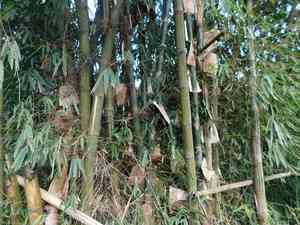
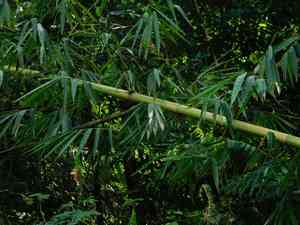
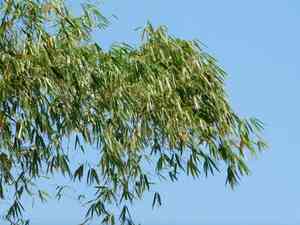
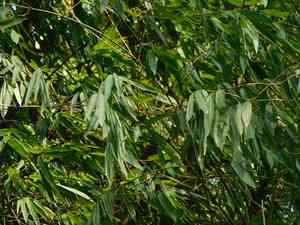
Quickly Identify Giant stripy bamboo
1
To identify Gigantochloa verticillata, look for tall, densely clustered bamboo with thick culms that can grow up to 15 meters high. The culms are light green and mature to a yellowish or greenish-yellow color. The nodes may slightly bulge, and it has many branches with clusters of leaves.
Scientific Classification of Giant stripy bamboo
Phylum
Vascular plants
Class
Monocotyledons
Order
Poales
Family
Grass
Genus
Gigantochloa
Species
Giant stripy bamboo
Planting and Growing of Giant stripy bamboo
Care Difficulty
Easy
Watering Schedule
Every 4 days
Sunlight Requirements
Partial sun
Sunshine Duration
6-10 hours
Ideal Temperature
75-85℉
Soil Type
Potting Mix, Peat Mix
Soil pH
6.5-7.5
Fertilizer Type
Balanced
Pruning Season
Spring, Summer
Pruning Area
Branches, Leaves
Pruning Frequency
2 times a year
Repotting Season
Spring
Pot Type
Plastic, Ceramic
 How to Water Giant stripy bamboo?
For Gigantochloa verticillata, it's essential to water them deeply enough so that moisture reaches the root zone. Aim for about 2000 ml per session, ensuring the soil is well-saturated but not waterlogged. The objective is to simulate the plant's natural tropical habitat, where sporadic heavy rains are followed by a drying period.
What are the symptoms of an underwatered Giant stripy bamboo?
›
What should I do if my Giant stripy bamboo is not getting enough water?
›
What are the symptoms of an overwatered Giant stripy bamboo?
›
How to save an overwatered Giant stripy bamboo?
›
 What Are the Sunlight Requirements for Giant stripy bamboo?
Partial sun provides a balanced exposure that's crucial for optimal growth. It ensures enough light for photosynthesis while minimizing stress from too much direct sunlight.
What is the ideal lighting situation for Gigantochloa verticillata?
›
How to achieve this ideal light condition?
›
What are the benefits of providing ideal lighting?
›
 What Is the Ideal Temperature Range for Giant stripy bamboo?
The ideal temperature range for Gigantochloa verticillata is 75 to 85°F. This range provides the optimal conditions for growth and development, ensuring that the plant can carry out photosynthesis efficiently and maintain healthy cellular activities. Maintaining this range helps prevent stress and maximizes the plant's vigor.
 What Soil is Best for Giant stripy bamboo?
Gigantochloa verticillata requires soil with excellent drainage. It prevents waterlogging, ensuring root health and avoiding rot. Well-drained soil fosters strong growth and helps the plant thrive under varying conditions. This bamboo thrives in moderately fertile soil. Such soil supplies essential nutrients while avoiding excess richness that can lead to rapid, weak growth. Balanced fertility supports sturdy cane development and lush foliage. While drainage is crucial, the soil should retain some moisture. Sandy loam ensures that moisture is accessible to the roots without saturation, providing a consistent supply to support the plant's vigorous growth.
 How to Fertilize Giant stripy bamboo?
For Gigantochloa verticillata, use a balanced liquid fertilizer at a concentration of 1 tablespoon per gallon of water. For slow-release granules, apply approximately 1 pound per 100 square feet. Adjust quantity based on soil fertility and plant growth stages.
 How to Prune Giant stripy bamboo?
Begin by examining the bamboo clump to identify any dead or damaged culms. Remove these first to allow more space and resources for healthy culms to thrive. Selectively prune out older, less productive culms to prevent overcrowding. Aim for a balanced structure where the spacing allows sufficient light and air circulation within the clump. Cut the culms to your preferred height, typically just above a node. This encourages the plant to produce side shoots, enhancing its bushiness and overall health. After pruning, carefully gather and dispose of bamboo cuttings to prevent them from becoming a fire hazard or creating a cluttered appearance in the landscape.
More About Pruning Techniques→
 How to Propagate Giant stripy bamboo plant?
1
Select a healthy parent plant for division. Water it thoroughly a day before propagation to ensure the roots are hydrated and ready for the process.
2
Use a sharp spade to carefully divide the root clump into sections. Each section should have its own set of roots and shoots. Handle with care to minimize root damage.
3
Plant the divided sections into prepared soil. Ensure the planting hole is large enough to accommodate the roots without crowding. Water thoroughly after planting.
 How to Repot Giant stripy bamboo plant?
1
Gigantochloa verticillata should be repotted when you notice roots poking through the drainage holes, the soil is drying out too quickly, or growth appears stunted. These are clear indicators that the plant has outgrown its current container and needs more space to flourish.
2
Select a pot that is 1-2 inches larger in diameter than the current one, with good drainage. A larger pot provides more space for root growth, while drainage holes prevent waterlogging, benefiting the health of Gigantochloa verticillata by preventing root rot.
3
Opt for a well-draining potting mix. Such soil allows excess water to escape freely, preventing water retention that could lead to root rot. A mix with perlite or sand can enhance drainage, catering to the natural habitat preferences of Gigantochloa verticillata.



