How to Prune Ross' avens?
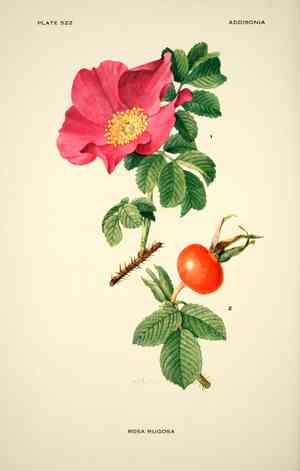
A hardy perennial native to mountainous regions, ross' avens displays yellow, dish-shaped blossoms on fuzzy stalks. Trim ross' avens in the latter part of winter or early spring prior to the emergence of new shoots. Snip off any withered or aged leaves to preserve a dense shape and foster abundant blooming. Deadhead faded flowers to prompt subsequent flowering. Regular trimming guarantees a neat look, wards off ailments, and channels vitality towards root growth for sustained well-being. Employ sanitized, keen implements to prevent harm to the plant.
Advantages of Trimming Ross' Avens
Advantages of Trimming Ross' Avens
Trimming ross' avens promotes more vigorous development by encouraging new shoots and helps maintain its form, ensuring a visually appealing and compact structure.
Optimal Period for Trimming Ross' Avens
Optimal Period for Trimming Ross' Avens
Late winter and early spring are the best times for trimming ross' avens because the plant is typically inactive then. Pruning during dormancy minimizes stress on ross' avens and reduces the chance of disease transmission as open cuts heal faster before the growing season. This timing is also perfect for removing any damaged or diseased parts before new growth appears, which can foster a healthier and more robust growth cycle. Additionally, since ross' avens has completed its annual growth and not yet started its seasonal growth, gardeners can better see the plant's structure and make more effective pruning choices. Trimming before new growth begins means the plant's stored energy will be directed into developing the remaining buds and branches, often leading to a more abundant bloom or growth in the subsequent season.
Tools Required for Pruning Ross' Avens
Bypass Pruners
Excellent for making precise cuts on ross' avens, they create a clean, healthy incision that promotes better recovery.
Pruning Shears
Useful for cutting back faded blooms of ross' avens to encourage a second flowering display.
Gardening Gloves
Offer hand protection when pruning ross' avens, ensuring a safe gardening experience.
Garden Scissors
Effective for snipping off dead or yellowing foliage of ross' avens without harming nearby stems.
Pruning Saw
While usually not needed for ross' avens, a fine-toothed pruning saw might be used if older stems become woody and thicker.
Garden Snips
Ideal for minor touch-ups and deadheading the small, delicate flowers of ross' avens.
Clean Cloth
Essential for wiping blades clean after pruning ross' avens to prevent the spread of illness.
Disinfectant
Regularly used to sanitize tools after cutting back ross' avens, minimizing the risk of plant infection.
How to Prune Ross' Avens
Clean Tools
Before pruning ross' avens, sanitize your pruning shears with alcohol or a bleach solution to prevent disease spread.
Identify
Inspect ross' avens for any diseased or withered leaves. Look for signs of discoloration, spots, or decay indicating an unhealthy leaf.
Trim Diseased Leaves
Carefully remove diseased leaves by cutting at the base of the leaf stem, close to the main plant structure. Ensure not to damage healthy tissue around the affected area.
Trim Withered Leaves
Remove withered leaves by cutting them where the leaf stem meets the main plant or a healthy part of the stem. This encourages healthier growth and reduces disease risk.
Clean Up
After pruning ross' avens, gather and dispose of all removed plant material to minimize the risk of disease spread. Do not compost diseased material.
Common Pruning Errors with Ross' Avens
Over Pruning
Pruning excessively can shock ross' avens, leading to stunted growth or a decline in health. Avoid removing more than one-third of the plant at a time.
Incorrect Cuts
Making improper cuts can damage ross' avens, causing uneven growth or vulnerability to disease. Cuts should be clean and at a 45-degree angle just above a leaf node.
Removing Too Much Old Wood
Ross' avens's older wood contains important flower buds. Excessive removal of old wood can significantly reduce the plant's blooming potential.
Neglecting Diseased Material
Failing to remove diseased or damaged stems during pruning can spread pathogens and weaken ross' avens. All affected material should be promptly cut out and disposed of.
Pruning Too Short
Cutting stems too short can result in fewer flowers, as ross' avens blooms on stems of a certain length. Prune just above the first set of full leaves.
General Pruning Advice for Ross' Avens
Sanitize Tools
Always use sterilized pruning tools to prevent the spread of disease to ross' avens.
Shape Maintenance
Prune ross' avens to maintain its natural shape. Target leggy stems or overgrowth to preserve the plant's aesthetic form.
Encourage Growth
Cutting back spent flowers and selectively pruning can stimulate ross' avens to produce fresh growth and encourage re-blooming.
Thin Out
Thin out dense growth to improve air circulation for ross' avens, reducing the risk of fungal diseases.
Careful Deadheading
Deadhead spent flowers meticulously to avoid removing new buds, which could impact ross' avens's blooming cycle.



