
Ross' avens (Geum rossii)
Also known as: Ross' Avens
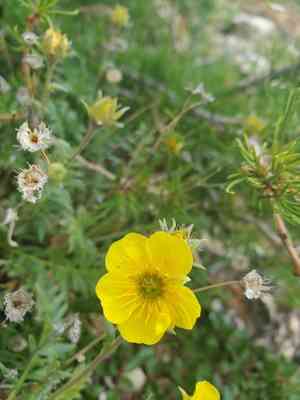
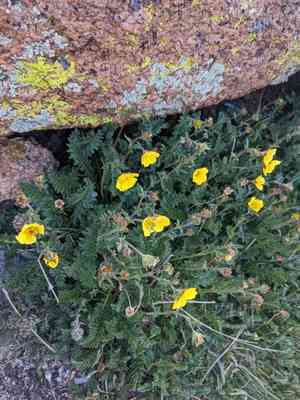
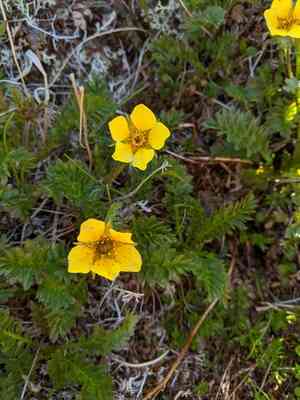
Ross' avens (Geum rossii) is a perennial alpine herb that thrives in rocky, mountainous environments due to several key adaptations. It features deep root systems that stabilize the plant and help reach moisture in rocky soil. The plant's low growth habit shields it from harsh winds, while its drought tolerance allows it to endure dry conditions. It produces bright yellow flowers during the summer on slender stems, which are supported by lobed basal leaves forming a rosette. Additionally, its fuzzy, red stems and feathery-tailed achenes aid in effective seed dispersal, ensuring its continued presence in challenging terrains.
In This Article
Attributes of Ross' avens
Lifespan
Perennial
Plant Type
Herb
Plant Height
4-6 inches (10-15 cm)
Spread
8-12 inches (20-30 cm)
Leaf Color
Green
Flower Size
0.5-1 inch (1-2.5 cm)
Flower Color
Yellow
Images of Ross' avens
Quickly Identify Ross' avens
1
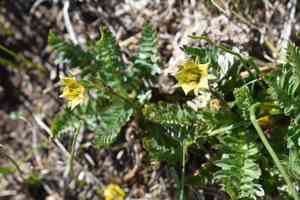
Geum rossii can be identified by its low-growing rosette of leaves and its bright yellow, five-petaled flowers. The leaves are basal, pinnate, and somewhat hairy. The flowering stems are generally short and bear a few flowers each.
Scientific Classification of Ross' avens
Phylum
Vascular plants
Class
Dicotyledons
Order
Rosales
Family
Rose
Genus
Avens
Species
Ross' avens
Planting and Growing of Ross' avens
Care Difficulty
Easy
Watering Schedule
Every 2 days
Sunlight Requirements
Full sun
Sunshine Duration
6-10 hours
Ideal Temperature
50-65℉
Soil Type
Potting Mix, Peat Mix
Soil pH
6.5-7.5
Fertilizer Type
Balanced
Pruning Season
Spring, Summer
Pruning Area
Branches, Leaves
Pruning Frequency
2 times a year
Repotting Season
Spring
Pot Type
Ceramic, Plastic
 How to Water Ross' avens?
For Geum rossii, watering should mimic its natural alpine environment. This means ensuring the soil stays consistently moist but not soggy. It is better to water deeply with about 120ml to allow the water to reach the root zone thoroughly, avoiding water-logging by ensuring good drainage.
What are the symptoms of an underwatered Ross' avens?
›
What should I do if my Ross' avens is not getting enough water?
›
What are the symptoms of an overwatered Ross' avens?
›
How to save an overwatered Ross' avens?
›
 What Are the Sunlight Requirements for Ross' avens?
Geum rossii does best in environments offering 6 to 8 hours of sun, which supports blooming and strong, healthy growth with resilient foliage and abundant flowers.
What is the ideal lighting for Geum rossii?
›
How can I achieve ideal lighting?
›
What benefits will ideal lighting provide?
›
 What Is the Ideal Temperature Range for Ross' avens?
For optimal growth, Geum rossii thrives in moderate temperatures ranging from 50°F to 65°F. This range supports healthy leaf and flower development by providing a stable environment that mimics its natural habitat. Maintaining this temperature can help prevent stress-related conditions and ensure vigorous growth.
 What Soil is Best for Ross' avens?
Geum rossii thrives in well-drained soil, ensuring that the roots do not sit in waterlogged conditions which could lead to root rot. This enhances the plant's healthy growth and flowering potential. The plant prefers soil with moderate fertility, which means it benefits from nutrients without the risk of over-fertilization. This encourages balanced growth and robust blooming. Aeration in the soil helps Geum rossii to establish strong roots by allowing air, water, and nutrients to penetrate the soil easily, resulting in a lush and vigorous plant.
 How to Fertilize Ross' avens?
For Geum rossii, applying a balanced liquid fertilizer at half strength to avoid nutrient burn is effective. Use approximately 10-20 ml of diluted liquid fertilizer per plant once every two weeks during the growing season.
 How to Prune Ross' avens?
Start by using sharp, clean pruners to remove dead or damaged leaves, as these can hinder new growth. Focus on the tips of the stems, cutting just above a leaf node to stimulate bushier growth. During the growing season, it’s beneficial to deadhead spent flowers to encourage continuous blooming and maintain the plant's aesthetics.
More About Pruning Techniques→
 How to Propagate Ross' avens plant?
1
Start by collecting seeds in late summer as they mature. Sow them in seed trays filled with a well-draining growing medium. Cover lightly with soil and ensure consistent moisture, but do not overwater.
2
In early spring or early autumn, carefully dig up the plant. Use a sharp knife or spade to divide the root clumps, ensuring each division has roots and shoots attached. Replant divisions immediately at the same depth they were previously growing.
3
Once the seedlings have developed a few sets of true leaves, they are ready for transplanting. Carefully move them to their permanent location, spacing them adequately to accommodate future growth.
 How to Repot Ross' avens plant?
1
Look for signs such as roots encircling the pot or coming out of drainage holes, which indicate it's time for a repot. The best occasions are early spring or summer when active growth can help it adjust.
2
Select a pot that's just one size larger than the current one to prevent waterlogging. Good drainage is crucial—pick a pot with ample drainage holes to avoid root rot and ensure healthy plant growth.
3
Opt for a well-draining soil mix, possibly enriched with organic material. This provides both nutrients and prevents the soil from becoming waterlogged, ensuring the roots get adequate air supply.
Learn More About Ross' avens Diseases
Anthracnose
Bacterial Leaf Spot
Bacterial Soft Rot
Bacterial Wilt
Black Spot
Chemical Injury
Crown Gall
Cyst Nematode
Damping-off
Downy Mildew
Drought Stress
Fusarium Wilt
Gray Mold
Leaf Spot
Mosaic
Nutrient Deficiency
Nutrient Toxicity
Powdery Mildew
Root Rot
Root-knot Nematode
Rusts
Sooty Mold
Spider Mites
Temperature Stress
Thrips Damage
White Mold



