How to Prune Calthaleaf avens?
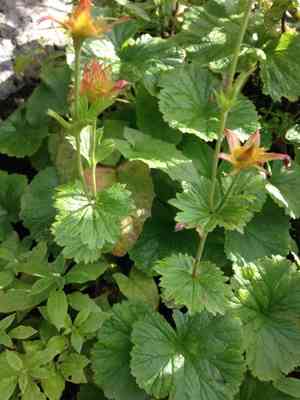
This resilient perennial is recognized for its herbaceous development and vivid blossoms. Trim calthaleaf avens by removing faded flowers to stimulate a subsequent flowering period and refine its look. The best times for trimming are from spring to autumn, aligning with the blooming cycle to sustain the plant's strength and visual appeal. In spring, snip off any lifeless or injured stalks to foster vigorous new development. Consistent trimming preserves calthaleaf avens's dense structure and boosts its decorative worth, guaranteeing a strong exhibition of hues in the landscape.
What Are the Benefits of Pruning Calthaleaf Avens?
What Are the Benefits of Pruning Calthaleaf Avens?
Trimming calthaleaf avens encourages abundant flowering, stimulates robust development, and aids in preserving its desired form. This vital maintenance practice can lead to a healthier and more visually appealing plant.
What Is the Best Time for Pruning Calthaleaf Avens?
What Is the Best Time for Pruning Calthaleaf Avens?
The optimal time for trimming calthaleaf avens is during Spring and Fall, as these periods align with the plant's natural resting phase and post-bloom cycles. Spring pruning prepares calthaleaf avens for new growth by eliminating dead or damaged stems, ensuring the plant's energy is directed towards producing vigorous new shoots. Fall pruning, following the flowering period, helps maintain the plant's shape and health by removing spent blossoms and any remaining withered foliage. This timing avoids cutting back calthaleaf avens during its active summer growth phase and potential fruiting period, allowing gardeners to enjoy the plant's full display while also promoting vitality for the subsequent growing season. Pruning during these recommended seasons reduces the risk of stress or disease for the plant and fosters a strong cycle of growth and bloom.
What Tools Do I Need to Prune Calthaleaf Avens?
Bypass Pruners
Perfect for making clean cuts on the thinner, green stems of calthaleaf avens, bypass pruners operate like scissors with one blade passing another, minimizing stem damage and encouraging healthy regrowth.
Gardening Shears
For shaping and thinning the foliage of calthaleaf avens, gardening shears offer a precise cut, ensuring the removal of unwanted leaves and non-woody stems without harming the plant.
Pruning Saw
While calthaleaf avens typically doesn't require a saw for its softer stems, a small pruning saw could be useful for removing old, woody stems if present. This tool helps access tight spots without damaging the rest of the plant.
How to Prune Calthaleaf Avens
Clean tools
Before beginning the trimming process for calthaleaf avens, ensure all pruning tools are clean and sharp. Disinfect shears with rubbing alcohol or a bleach solution to prevent disease transmission.
Remove diseased
Locate and remove any diseased leaves from calthaleaf avens. Cut the leaf stem as close to the base as possible without harming the main plant structure. Properly dispose of diseased material to prevent contamination.
Trim withered leaves
Identify withered leaves that have completed their life cycle. Trim these leaves at the base of the leaf stem, being careful not to cut into healthy tissue or flower stems of calthaleaf avens.
Deadhead flowers
Deadhead spent flowers to encourage new growth and bloom production in calthaleaf avens. Carefully snip the flower stem below the faded flower, above the first set of healthy leaves.
Cleanup
After trimming calthaleaf avens, clear away all cuttings from the area to maintain good hygiene and reduce the risk of pests and disease. Compost healthy plant material and discard diseased parts.
Common Pruning Mistakes with Calthaleaf Avens
Over-pruning
Removing excessive foliage from calthaleaf avens, which can stress the plant and diminish its vigor.
Cutting too close
Trimming branches or stems too near the main stem can harm the plant's natural defenses and increase its vulnerability to diseases.
Using dull tools
Pruning calthaleaf avens with blunt tools can result in ragged cuts that heal poorly and leave the plant susceptible to pests and disease.
Neglecting to sterilize
Failure to sanitize pruning tools before and after use can spread disease among plants.
Ignoring plant structure
Not considering the natural growth habit and structure of calthaleaf avens when pruning can lead to an unbalanced shape and reduced flowering.
Pruning without a plan
Randomly cutting stems without understanding the growth patterns of calthaleaf avens can result in uneven growth and diminished aesthetic appeal.
Common Pruning Tips for Calthaleaf Avens
Sharp clean cuts
Utilize sharp, clean shears to make precise cuts that heal quickly and minimize stress to calthaleaf avens.
Selective thinning
Remove only the necessary amount of growth to maintain the shape and health of calthaleaf avens, especially any dead or damaged stems.
Shape maintenance
Trim calthaleaf avens following its natural shape, enhancing its aesthetic form while promoting robust health.
Prune for airflow
Ensure that pruning opens up the interior of calthaleaf avens to increase airflow, which helps prevent fungal diseases.
Timing of cuts
While the best season for pruning is not included, it is crucial to prune at the correct time in calthaleaf avens's growth cycle to not affect the plant negatively.
Post-prune care
After pruning, provide calthaleaf avens with adequate water and, if necessary, a light application of fertilizer to support its recovery and new growth.



