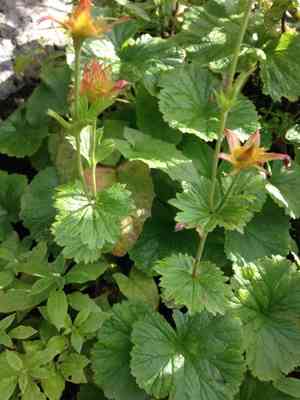
Calthaleaf avens (Geum calthifolium)
Also known as: Marsh Cinquefoil, Goldthread Avens
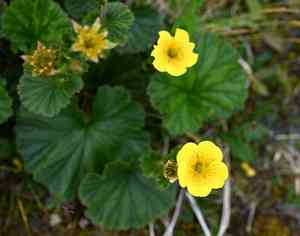
Calthaleaf avens (Geum calthifolium) flourish in moist meadows, boggy areas, and wet, sloping terrains. They can also occasionally be found growing among rocks. These plants showcase yellow, heart-shaped petals during the summer, making them popular in gardens due to their extended blooming season.
In This Article
Attributes of Calthaleaf avens
Lifespan
Perennial
Plant Type
Herb
Plant Height
8 cm to 40 cm
Spread
20-30 cm (8-12 inches)
Leaf Color
Green
Flower Size
2 cm
Flower Color
Yellow
Images of Calthaleaf avens
Quickly Identify Calthaleaf avens
1
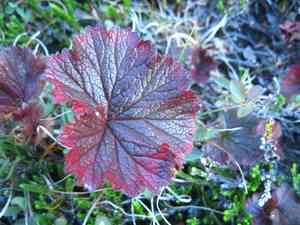
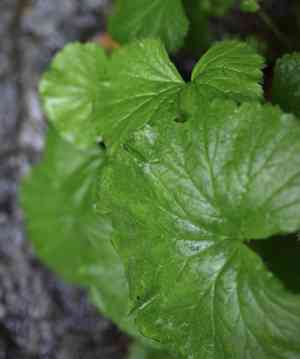
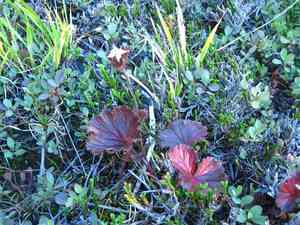
Geum calthifolium can be identified by its yellow, cup-shaped flowers and basal leaves that resemble those of a buttercup. The plant typically has hairy stems and grows in clumps.
Scientific Classification of Calthaleaf avens
Phylum
Vascular plants
Class
Dicotyledons
Order
Rosales
Family
Rose
Genus
Avens
Species
Calthaleaf avens
Planting and Growing of Calthaleaf avens
Care Difficulty
Easy
Watering Schedule
Every 3 days
Sunlight Requirements
Partial sun
Sunshine Duration
6-10 hours
Ideal Temperature
50-68℉
Soil Type
Potting Mix, Peat Mix
Soil pH
6.5-7.5
Fertilizer Type
Balanced
Pruning Season
Spring, Summer
Pruning Area
Branches, Leaves
Pruning Frequency
2 times a year
Repotting Season
Spring
Pot Type
Terracotta, Plastic
 How to Water Calthaleaf avens?
Geum calthifolium requires consistent soil moisture without becoming waterlogged. Water approximately 300 ml each time, ensuring the soil is evenly moist but not drenched. The goal is to maintain a damp soil texture, similar to a wrung-out sponge.
What are the symptoms of an underwatered Calthaleaf avens?
›
What should I do if my Calthaleaf avens is not getting enough water?
›
What are the symptoms of an overwatered Calthaleaf avens?
›
How to save an overwatered Calthaleaf avens?
›
 What Are the Sunlight Requirements for Calthaleaf avens?
Partial sun is ideal, offering a balance between energy and protection from high intensity. It fosters vigorous plant growth, optimal flowering, and overall health.
Question: What is the best light condition for Geum calthifolium?
›
Question: What are the specific benefits of partial sun for Geum calthifolium?
›
Question: How can I create the optimal light conditions indoors?
›
 What Is the Ideal Temperature Range for Calthaleaf avens?
Geum calthifolium thrives optimally in temperatures ranging from 50°F to 68°F. This range provides the necessary warmth for metabolic processes without the stress from excessive heat, making it conducive for healthy photosynthesis and growth.
 What Soil is Best for Calthaleaf avens?
Geum calthifolium flourishes in soil with excellent drainage, which prevents root rot. Well-drained soil ensures that the roots receive the oxygen they need to stay healthy and prevents waterlogging, making it essential for robust growth. This plant requires soil with moderate fertility, as overly rich soil can lead to excessive foliage growth at the expense of blooms. This balanced nutrient availability supports steady growth and vibrant flower production. While good drainage is crucial, maintaining adequate moisture is equally vital. Sandy loams are perfect as they retain sufficient moisture, ensuring the plant's roots do not dry out quickly in between waterings.
 How to Fertilize Calthaleaf avens?
For Geum calthifolium, the fertilization amount should be moderate, ensuring the soil is enriched without overwhelming the plant. Liquid fertilizers should be used in a diluted form, typically at half strength, to provide a gentle nutrient boost without causing harm. A slow-release fertilizer should be applied sparingly, no more than the recommended amount on the product label, to avoid nutrient overload.
 How to Prune Calthaleaf avens?
Start by removing any dead or diseased stems. This will not only improve the plant's appearance but will also help it divert energy to healthier parts, boosting overall vitality. Gently shape the plant by cutting back long, straggly stems. Aim for a rounded, compact form that will encourage more uniform growth and a pleasing appearance. After the flowering season, lightly trim the plant to encourage new blooms the following year. This also helps in maintaining plant vigor and controlling its size.
More About Pruning Techniques→
 How to Propagate Calthaleaf avens plant?
1
Fill seed trays with a high-quality seed starting mix, ensuring the soil is well-drained to avoid waterlogging. Moisten the soil slightly before sowing the seeds evenly on the surface.
2
Using pruners, take a 3-4 inch cutting from a healthy stem of the plant. Remove the lower leaves, leaving at least two leaves on the cutting. Dip the cut end in rooting hormone to enhance root development.
3
Gently dig up the mature plant and carefully separate the root clumps. Ensure that each clump has at least one growing point or shoot. Replant each division promptly in well-prepared soil or containers.
 How to Repot Calthaleaf avens plant?
1
The best time to repot Geum calthifolium is when its roots become visible through the drainage holes or when it shows signs of being root-bound. Another sign is the emergence of compacted soil that restricts water absorption. Pay attention to its growth; if the plant seems stunted, it might be time to consider a larger pot.
2
Select a pot that is one size larger than the current one, with adequate drainage holes. The new pot should allow a bit of growing space to accommodate root expansion. This helps prevent waterlogging, which can lead to root rot. A wider pot also provides stability and more nutrient access, promoting overall health.
3
Choose a well-draining, rich potting mix such as loam or a mixture with equal parts potting soil, peat, and perlite. These components ensure that the soil retains sufficient moisture while still allowing excess water to escape. The right soil offers a balanced environment, crucial for healthy growth and sustained blooming.
Learn More About Calthaleaf avens Diseases
Anthracnose
Bacterial Leaf Spot
Bacterial Soft Rot
Crown Gall
Cyst Nematode
Damping-off
Downy Mildew
Drought Stress
Fusarium Wilt
Gray Mold
Leaf Spot
Mosaic
Nutrient Deficiency
Nutrient Toxicity
Powdery Mildew
Root Rot
Root-knot Nematode
Rusts
Sooty Mold
Spider Mites
Temperature Stress
Thrips Damage
White Mold



