How to Prune Pencilled crane's-bill?
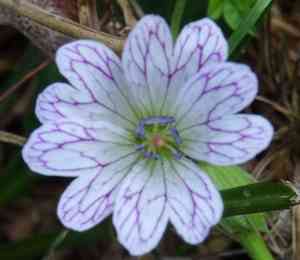
The Pencilled crane's-bill, recognized for its vivid, intricately patterned petals, flourishes with consistent trimming. Essential pruning methods involve removing faded blossoms to encourage ongoing flowering and shortening elongated stalks to preserve its form and well-being. The most suitable periods for pruning are during spring and summer, coinciding with its periods of active development. Trimming not only boosts its visual charm but also averts excessive density and stimulates robust growth, and customizing these approaches can greatly enhance the plant's vigor.
Advantages of Trimming Pencilled Crane's-bill
Advantages of Trimming Pencilled Crane's-bill
Trimming pencilled crane's-bill promotes robust new development and maintains its desired form. This not only improves its visual appeal but also guarantees optimal vitality and flowering performance.
Optimal Time for Trimming Pencilled Crane's-bill
Optimal Time for Trimming Pencilled Crane's-bill
Trimming pencilled crane's-bill during spring and summer aligns with its active growth periods, allowing the plant to recover swiftly and strongly from the pruning process. In spring, trimming helps stimulate new growth, ensuring more vigorous development and a healthier plant structure. Additionally, summer trimming is beneficial as it can be carried out after the main flowering period to revitalize pencilled crane's-bill and maintain its desired shape, removing any spent blooms or unruly growth that may have occurred during the peak growth phase.
Tools Required for Trimming Pencilled Crane's-bill
Bypass Pruners
These pruners are highly recommended for pencilled crane's-bill because they provide a clean and precise cut that helps prevent damage to the plant tissues. Bypass pruners operate like scissors where two curved blades pass by each other. This action makes them ideal for cutting through the relatively thin and soft stems of pencilled crane's-bill without crushing them.
Hand Shears
These are useful for shaping and trimming the foliage of pencilled crane's-bill more broadly. Hand shears allow for quick and efficient shaping of pencilled crane's-bill, which can encourage a bushier growth and maintain an aesthetically pleasing form. They are particularly helpful during the active growing season to keep the plant neat and tidy.
Snips
These are essential for deadheading pencilled crane's-bill, which involves removing spent blooms to promote further flowering and maintain plant health. Snips are smaller and more delicate than pruners, offering precision which is perfect for the fine work needed on pencilled crane's-bill's smaller flower stems.
How to Trim Pencilled Crane's-bill
Identify
Identify and assess pencilled crane's-bill's diseased and withered leaves along with any diseased stems. Look for any signs of discoloration, spots, or unusual texture that indicate poor health.
Disinfect
Disinfect your pruning tools before and after use to prevent the spread of diseases. Use alcohol or a bleach solution to sterilize the blades.
Trim leaves
Carefully trim off pencilled crane's-bill's diseased and withered leaves close to the stem, using sharp, clean pruning shears. Make clean cuts to avoid damaging the healthy parts of pencilled crane's-bill.
Trim stems
Prune pencilled crane's-bill's diseased stems by cutting them back to a healthy section or to the base of the plant, depending on the extent of the disease. Ensure cuts are made above a leaf node or bud to promote healthy regrowth.
Cleanup
Remove all the trimmed off parts from around pencilled crane's-bill and dispose of them properly to avoid any re-infection or pest attraction. Do not compost diseased material.
Common Trimming Errors with Pencilled Crane's-bill
Excessive trimming
Removing too much growth at once can stress pencilled crane's-bill, hindering its ability to flourish. This could result in fewer flowers or a weakened plant that's more susceptible to diseases and pests.
Neglecting dead or diseased stems
Failing to remove unhealthy parts of pencilled crane's-bill can lead to further deterioration of the plant's health - spreading disease or draining resources from healthier sections.
Inconsistent cuts
Pencilled crane's-bill benefits from precise and strategic cuts. Ragged or uneven cuts can harm the plant, inviting pests or diseases and impeding regrowth.
Improper tool usage
Using dull or dirty pruning tools can damage pencilled crane's-bill's stems, potentially causing uneven cuts and increasing the risk of introducing diseases.
General Trimming Advice for Pencilled Crane's-bill
Sanitize tools
Before starting, ensure all pruning tools are clean and sharp. This prevents the spread of diseases and enables clean cuts that heal quicker, reducing stress on pencilled crane's-bill.
Prune for shape and health
Focus on removing any dead or diseased stems first. Then, shape pencilled crane's-bill by evenly thinning out crowded areas to enhance sunlight penetration and air circulation, promoting a healthier and more aesthetically pleasing plant.
Selective thinning
Instead of drastically cutting back or topping off pencilled crane's-bill, selectively thin out some of the older stems. This encourages new growth from the base, keeping the plant vigorous and well-shaped without sacrificing its natural form.
Immediate care post-pruning
After pruning pencilled crane's-bill, provide immediate care through watering and, if needed, a light application of balanced, slow-release fertilizer to support recovery and boost health.



