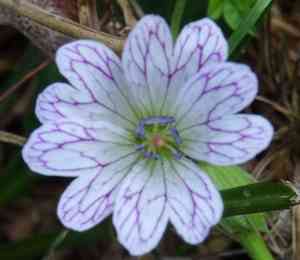
Pencilled crane's-bill (Geranium versicolor)
Also known as: Veined cranesbill
The pencilled crane's-bill is a perennial herb admired for its distinctive bicolored blooms, usually displaying shades of lilac and white. Its deeply lobed leaves create an appealing rosette at the base, and the flowering stems can grow up to 40 cm tall. This plant flourishes in partial shade and well-drained soil, making it ideal for woodland gardens and rockeries. It is quite resilient and requires minimal maintenance, adapting well to various garden conditions.
In This Article
Attributes of Pencilled crane's-bill
Lifespan
Perennial
Plant Type
Herb
Plant Height
30 cm
Spread
50 cm
Leaf Color
Green
Flower Size
2-4 cm
Flower Color
White
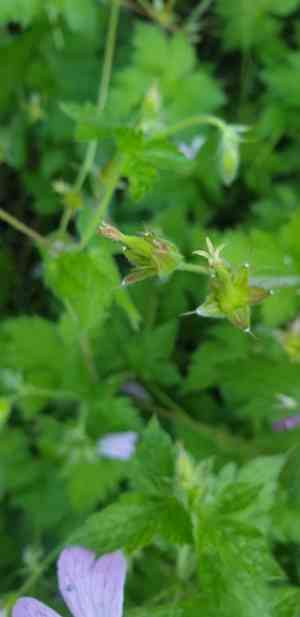
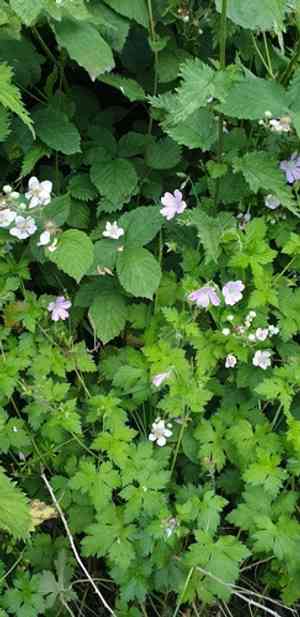
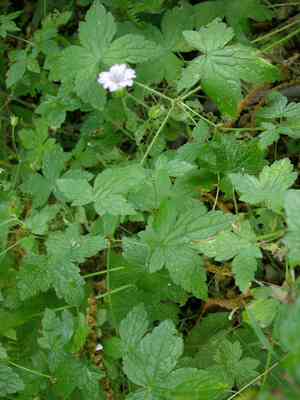
Images of Pencilled crane's-bill
Quickly Identify Pencilled crane's-bill
1
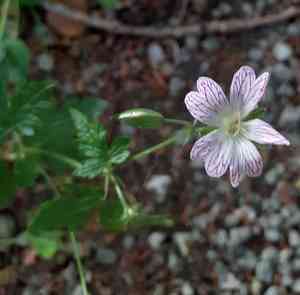
Geranium versicolor can be identified by its lobed, slightly hairy leaves and its unique white flowers marked with fine, purple veins. The plants often form a neat, low mound and have a spreading habit.
Scientific Classification of Pencilled crane's-bill
Phylum
Vascular plants
Class
Dicotyledons
Order
Geraniales
Family
Geranium
Genus
Geraniums
Species
Pencilled crane's-bill
Planting and Growing of Pencilled crane's-bill
Care Difficulty
Easy
Watering Schedule
Every 4 days
Sunlight Requirements
Partial sun
Sunshine Duration
6-10 hours
Ideal Temperature
60-75℉
Soil Type
Potting Mix, Peat Mix
Soil pH
6.5-7.5
Fertilizer Type
Balanced
Pruning Season
Spring, Summer
Pruning Area
Branches, Leaves
Pruning Frequency
Once a year
Repotting Season
Spring
Pot Type
Plastic, Ceramic
 How to Water Pencilled crane's-bill?
Geranium versicolor prefers a moderate watering approach. It's important to ensure that the soil remains consistently moist but not waterlogged. During each watering session, approximately 300 milliliters of water should be applied, aiming for deep hydration that reaches the root system.
What are the symptoms of an underwatered Pencilled crane's-bill?
›
What should I do if my Pencilled crane's-bill is not getting enough water?
›
What are the symptoms of an overwatered Pencilled crane's-bill?
›
How to save an overwatered Pencilled crane's-bill?
›
 What Are the Sunlight Requirements for Pencilled crane's-bill?
This plant favors a partial to full sun light environment, benefiting from balanced sunlight exposure. Ideal lighting conditions facilitate optimal photosynthesis, supporting healthy growth and prolific blooming.
Best Light Intensity
›
Preferred Sunlight Duration
›
Optimal Light Source Management
›
 What Is the Ideal Temperature Range for Pencilled crane's-bill?
For Geranium versicolor to thrive, it is best to maintain the temperature between 60°F and 75°F. This range creates an environment where the plant can photosynthesize efficiently and undergo healthy growth cycles. Ideal temperatures encourage vibrant blooms and robust foliage.
 What Soil is Best for Pencilled crane's-bill?
Geranium versicolor thrives in well-drained soils, which prevent waterlogging and root rot. Well-drained soil ensures that the roots receive adequate oxygen while excess water is efficiently removed, helping the plant to maintain healthy growth. This plant prefers soils enriched with organic matter, like compost or well-rotted manure. Nutrient-rich soils support vigorous growth and promote abundant flowering by providing essential nutrients that fuel the plant's cellular processes. While drainage is essential, a Geranium versicolor also benefits from soils that retain a certain degree of moisture. This balance helps in sustaining the plant's hydration needs, especially during warm weather, ensuring consistent growth and vibrant blooms.
 How to Fertilize Pencilled crane's-bill?
Geranium versicolor has a moderate need for nutrients, and it’s important to strike a balance when fertilizing. Use a water-soluble fertilizer diluted to half the recommended strength, ensuring it provides the necessary nitrogen, phosphorus, and potassium. During each application of slow-release fertilizers, use approximately 1 tablespoon per plant.
 How to Prune Pencilled crane's-bill?
Prune your Geranium versicolor in spring or summer when the plant is actively growing. This timing allows the plant to recover quickly and encourages robust new growth throughout the growing season. Make clean cuts just above a node or leaf junction to encourage bushier growth. Avoid cutting too close to the main stem to prevent damage that could lead to infection or dieback.
More About Pruning Techniques→
 How to Propagate Pencilled crane's-bill plant?
1
Collect seeds from mature Geranium versicolor plants, ensuring they are dry and free from mold. Scarify them lightly to improve germination rates.
2
Select healthy stems from the parent plant. Cut them at a 45-degree angle using clean pruning shears to minimize the risk of infection.
3
Carefully dig up the entire plant during dormancy. Divide the root ball into sections, making sure each section has roots and stems. Replant immediately.
 How to Repot Pencilled crane's-bill plant?
1
Geranium versicolor provides clear signals when it needs repotting. If you notice roots coming out of the drainage holes or the plant appears root-bound with roots circling the soil mass, it's time to repot. Additionally, if the soil becomes compacted or doesn't retain moisture, consider repotting as these are telltale signs your plant yearns for a fresh start.
2
When selecting a pot for Geranium versicolor, opt for one that is 1-2 inches larger in diameter than the current pot. Ensure it has ample drainage holes to prevent waterlogging, which can lead to root rot. A slightly bigger pot allows the roots to spread comfortably, promoting healthy growth and preventing the plant from becoming pot-bound too quickly.
3
For Geranium versicolor, choose a well-draining, loamy soil mix enriched with organic matter. This provides essential nutrients while allowing excess water to drain, reducing the risk of root rot. A balanced soil mixture supports root health and encourages robust flowering, ensuring your geranium thrives.
Learn More About Pencilled crane's-bill Diseases
Anthracnose
Bacterial Leaf Spot
Bacterial Soft Rot
Damping-off
Downy Mildew
Fusarium Wilt
Gray Mold
Leaf Spot
Mosaic
Nutrient Deficiency
Nutrient Toxicity
Powdery Mildew
Root Rot
Root-knot Nematode
Rusts
Sooty Mold
White Mold
Chemical Injury
Drought Stress
Spider Mites
Temperature Stress
Thrips Damage



