How to Prune Nepalese cranes bill?
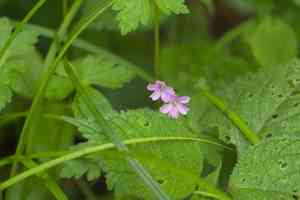
A perennial featuring cup-shaped blossoms, nepalese cranes bill necessitates consistent trimming to foster vigorous development and bloom production. Following its flowering period, eliminate faded blooms and discolored foliage. Cut back elongated stems in the spring or early summer to stimulate thicker growth. Gentle trimming during the summer months helps preserve its form and vitality. Refrain from autumn pruning to safeguard nepalese cranes bill throughout its dormant phase. Appropriate pruning guarantees a compact, thriving specimen, boosting its flowering capacity for the subsequent year.
What Are the Benefits of Pruning Nepalese Cranes Bill?
What Are the Benefits of Pruning Nepalese Cranes Bill?
Trimming nepalese cranes bill promotes robust development and maintains its form. Strategic cuts enhance air flow and light penetration, crucial for health and flower production. Timely trimming keeps nepalese cranes bill compact, boosting its visual appeal and vigor.
What Is the Best Time for Pruning Nepalese Cranes Bill?
What Is the Best Time for Pruning Nepalese Cranes Bill?
Pruning in Spring coincides with the period after dormancy when new growth is just starting, which allows for better wound recovery and stimulates fresh, healthy development. Early Summer pruning takes advantage of nepalese cranes bill's active growth season, ensuring that cutbacks lead to a more robust and bushy plant. This timing also prevents the removal of flower buds that form later in the season, ensuring nepalese cranes bill's ornamental value is not diminished. Furthermore, pruning during these seasons helps maintain the plant's shape, control its size, and encourage abundant flowers. It is crucial to avoid pruning nepalese cranes bill in late fall or winter, as this could result in new growth susceptible to cold damage.
What Tools Do I Need to Prune Nepalese Cranes Bill?
Bypass Pruners
Perfect for making clean, precise cuts, bypass pruners are suitable for snipping the slender stems of nepalese cranes bill without causing undue harm to the plant's tissues.
Gardening Shears
Ideal for shaping and trimming nepalese cranes bill's foliage, gardening shears can easily manage the soft, herbaceous material of this plant.
Pruning Snips
For deadheading and detailed trimming tasks on nepalese cranes bill, pruning snips allow gardeners to access dense foliage without harming surrounding stems and leaves.
How to Prune Nepalese Cranes Bill
Disease removal
Identify and eliminate any diseased leaves from nepalese cranes bill using sharp, clean pruning shears. Cut the leaves at the stem's base, being careful not to damage healthy tissue.
Withered cleanup
Remove withered or old leaves from nepalese cranes bill to encourage healthy growth and improve air circulation. Make clean cuts close to the main stem to avoid leaving stubs that could decay.
Diseased stems
Inspect nepalese cranes bill for diseased stems and cut them back to a healthy section using sterilized pruning tools. Ensure all cuts are made at a 45-degree angle to promote healing and prevent water accumulation.
Disposal
Discard all removed diseased and withered material away from nepalese cranes bill to prevent the spread of disease and pests.
Clean tools
After pruning nepalese cranes bill, clean and disinfect all tools to reduce the risk of spreading infections to other plants.
Common Pruning Mistakes with Nepalese Cranes Bill
Over pruning
Removing excessive foliage, which can stress nepalese cranes bill, leading to reduced vigor and fewer blooms.
Incorrect tools
Using dull or dirty pruning tools can create jagged cuts that are more vulnerable to disease.
Neglecting deadheading
Failing to remove spent flowers, which can lead to seed production at the expense of new blooms.
Pruning into old wood
Cutting back into the old, woody stems where new growth is less likely to emerge can limit the plant's capacity to rejuvenate.
Ignoring plant shape
Not considering nepalese cranes bill's natural shape during pruning can result in an unnatural appearance and poor flowering.
Disregarding health status
Pruning a stressed or diseased plant without addressing the underlying issues may exacerbate health problems.
Common Pruning Tips for Nepalese Cranes Bill
Selective pruning
Focus on removing dead or dying foliage and spent blooms to encourage new growth and improve air circulation.
Sterilize tools
Clean and sterilize pruning tools before use to prevent the spread of pests and diseases.
Timely deadheading
Regularly deadhead spent flowers to promote continuous blooming and prevent seed development.
Prune for rejuvenation
Lightly prune to shape nepalese cranes bill and remove thin or weak stems, which can invigorate the plant and enhance its form.
Maintain plant form
Prune nepalese cranes bill in a way that maintains and enhances its natural growth habit for aesthetic appeal and healthy development.
Monitor plant health
Prior to pruning, assess the health of nepalese cranes bill and treat any diseases or pests to ensure the plant recovers well after pruning.



