How to Prune Crested gentian?
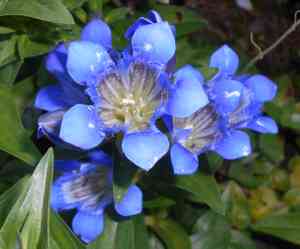
The crested gentian, known for its unique fringed blossoms, thrives with trimming during the spring or summer seasons. Essential methods include deadheading to stimulate further flowering and cutting back elongated stems to preserve its form. Pruning should be light to prevent causing undue stress to the plant. Proper timing is vital; performing these actions during the active growth phases of spring and summer guarantees the best recuperation and development. Consistent trimming leads to a more robust plant and increased bloom production.
What Are the Benefits of Pruning Crested Gentian?
What Are the Benefits of Pruning Crested Gentian?
Trimming crested gentian aids in vigorous growth and shape maintenance, fostering robust development. Regular trimming encourages more vibrant blooms, manages its size, and enhances overall appearance, making the plant more resilient to pests and diseases.
What Is the Best Time for Pruning Crested Gentian?
What Is the Best Time for Pruning Crested Gentian?
Crested gentian should be trimmed during the spring and summer seasons as this aligns with its natural growth cycle. Pruning at these times helps remove dead and diseased wood, minimizes infection risk, and promotes healthier development. Additionally, crested gentian typically flowers from late summer to early autumn, so spring and early summer pruning ensures the plant has ample time to recover and produce abundant blooms.
What Tools Do I Need to Prune Crested Gentian?
Hand Pruners
Perfect for precise trimming and deadheading of crested gentian's small stems and flowers. They provide clean cuts and minimize damage to the plant tissue.
Pruning Shears
Useful for cutting slightly thicker stems and branches, ensuring clean and healthy cuts which aid in better healing of crested gentian.
Bypass Loppers
Although crested gentian usually doesn't require heavy pruning, bypass loppers can be useful for dealing with any thicker stems or branches that hand pruners can't handle.
Pruning Knife
For removing smaller, delicate parts of crested gentian, a pruning knife can ensure precise and controlled cuts.
How to Prune Crested Gentian
Inspect
Examine crested gentian carefully to identify diseased leaves, withered leaves, and diseased stems. Look for signs of discoloration, lesions, or decay.
Remove diseased leaves
Using sanitized pruning shears, cut off any leaves showing signs of disease, making cuts as close to the main stem as possible without damaging it.
Remove withered leaves
Trim away any withered or dead leaves, ensuring a clean cut to prevent the spread of disease or pests to healthy parts of crested gentian.
Cut diseased stems
Identify and remove any stems that appear diseased. Make your cut above a healthy node or just above the base of crested gentian, ensuring you don't leave a stub that could harbor pests or diseases.
Dispose
Properly dispose of all pruned material away from the garden area to prevent the spread of pathogens back to crested gentian or other plants.
Common Pruning Mistakes with Crested Gentian
Improper technique
Using blunt or inappropriate tools can damage the stems of crested gentian, causing tears or crushing that can lead to infection or poor regrowth.
Incorrect timing
Pruning at the wrong time may disturb the flowering cycle or expose the plant to harsh weather conditions, stressing it unnecessarily.
Excessive pruning
Removing too much of the plant at once can weaken crested gentian, reducing its overall vitality and ability to produce flowers in the next growing season.
Neglecting hygiene
Failing to sterilize pruning tools between cuts or plants can spread diseases and pests, compromising the health of crested gentian.
Common Pruning Tips for Crested Gentian
Use sharp tools
Always use sharp, clean pruning shears or scissors to make precise cuts that promote quicker healing and prevent tearing of plant tissues.
Minimal pruning
Practice conservative pruning with crested gentian, focusing on removing dead or damaged parts rather than extensive shaping. This avoids undue stress on the plant.
Make clean cuts
Cut at a slight angle just above a leaf node or bud, ensuring that rainwater does not collect on the cut surface, which could lead to rot.
Maintain plant hygiene
Regularly clean your pruning tools with disinfectant to prevent the transfer of diseases and pests between plants.
Observe plant response
After initial pruning, observe crested gentian's response; healthy growth indicates you can proceed with minor additional pruning if necessary.



