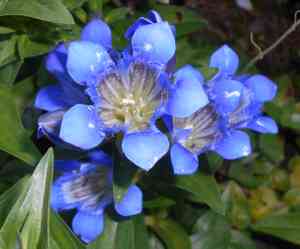
Crested gentian (Gentiana septemfida)
Also known as: Caucasian Gentian, Crested Gentian
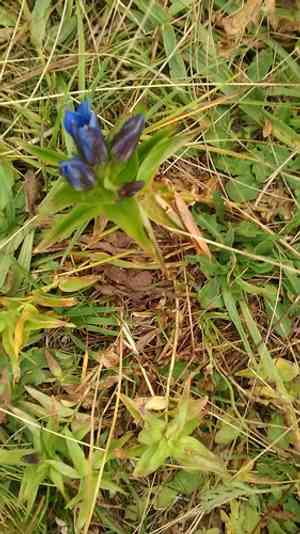
Gentiana septemfida, also known as the summer gentian, is a herbaceous perennial that originates from the Caucasus and Turkey. This low-growing plant reaches 15 to 20 cm in height and spreads up to 30 cm wide. It produces vibrant blue, trumpet-shaped flowers with striped interiors during the summer. For optimal growth, it prefers rich, well-drained soil that remains consistently moist. It thrives best in full sun but can tolerate partial shade.
In This Article
Attributes of Crested gentian
Lifespan
Perennial
Plant Type
Herb
Plant Height
10 cm
Spread
40 cm
Leaf Color
Green
Flower Size
3-4 cm
Flower Color
Blue
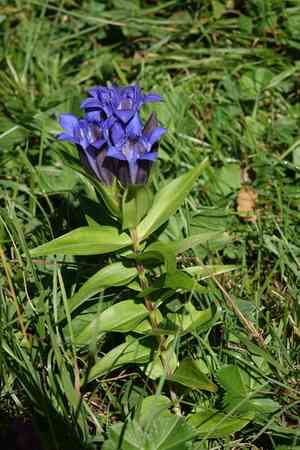
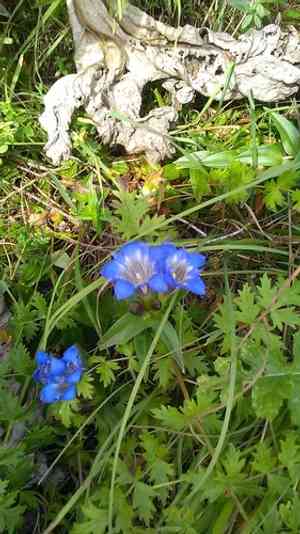
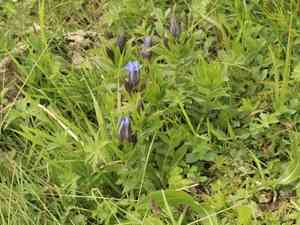
Images of Crested gentian
Quickly Identify Crested gentian
1
Gentiana septemfida can be identified by its bright blue, trumpet-shaped flowers with fringed edges, growing on slender stems. The leaves are lance-shaped and arranged in opposite pairs.
Scientific Classification of Crested gentian
Phylum
Vascular plants
Class
Dicotyledons
Order
Gentianales
Family
Gentian
Genus
Gentian
Species
Crested gentian
Planting and Growing of Crested gentian
Care Difficulty
Moderate
Watering Schedule
Every 5 days
Sunlight Requirements
Partial sun
Sunshine Duration
6-10 hours
Ideal Temperature
60-70℉
Soil Type
Potting Mix, Peat Mix
Soil pH
6-7.5
Fertilizer Type
Balanced
Pruning Season
Spring, Summer
Pruning Area
Branches, Leaves
Pruning Frequency
2 times a year
Repotting Season
Spring
Pot Type
Terracotta, Plastic
 How to Water Crested gentian?
When watering Gentiana septemfida, it is important to ensure the soil is moist but not waterlogged. An amount of 250 ml of water per session is often sufficient to reach the roots without oversaturating the soil. The guideline is to water until you see a slight runoff from the pot's drainage holes, which indicates the water has permeated the soil appropriately.
What are the symptoms of an underwatered Crested gentian?
›
What should I do if my Crested gentian is not getting enough water?
›
What are the symptoms of an overwatered Crested gentian?
›
How to save an overwatered Crested gentian?
›
 What Are the Sunlight Requirements for Crested gentian?
Gentiana septemfida flourishes in partial sun, receiving about 4 to 6 hours of light. Proper lighting ensures lush foliage and prolific blooming, enhancing the plant's visual appeal.
What's the best location for Gentiana septemfida?
›
How can I ensure Gentiana septemfida receives enough light indoors?
›
What are the indicators that Gentiana septemfida is receiving ideal lighting?
›
 What Is the Ideal Temperature Range for Crested gentian?
Gentiana septemfida thrives best in temperatures between 60°F and 70°F. This range ensures optimal growth, flowering, and health for the plant by maintaining stable internal processes. Fluctuations outside this range can hinder metabolic functions and delay blooming.
 What Soil is Best for Crested gentian?
Gentiana septemfida thrives in well-drained soil, which prevents waterlogging and root rot. Ensuring adequate drainage helps maintain healthy root development and supports vibrant flowering in this species. The plant prefers soil that retains some moisture but isn't waterlogged. Consistent moisture levels encourage steady growth and maintain the plant's lush appearance throughout its growing season. A fertile soil enriched with organic matter supports the robust growth of Gentiana septemfida by providing essential nutrients. This enrichment can significantly boost blooming and improve overall plant vigor.
 How to Fertilize Crested gentian?
Gentiana septemfida requires careful fertilizing to thrive. It's best to use a balanced fertilizer with a N-P-K ratio of 10-10-10. Apply liquid fertilizers at a half-strength dilution to avoid over-fertilization. Stick to recommended quantities to prevent nutrient burn.
 How to Prune Crested gentian?
Prune Gentiana septemfida in early spring just as the new growth begins. This timing helps redirect energy to healthier branches and encourages a more robust bloom. Start by removing any dead, diseased, or damaged stems. Cut them back to the base or to healthy tissue to boost the plant's vitality and improve airflow. Trim back any unruly or leggy growth to maintain the plant’s shape and encourage a compact, bushy form, which leads to a more aesthetically pleasing plant. To promote more blooms, cut back flowering stems by a third after blooming. This practice encourages the plant to produce more flowers in the subsequent growth cycle.
More About Pruning Techniques→
 How to Propagate Crested gentian plant?
1
Collect seeds from matured Gentiana septemfida flowers. Sow them in trays with a suitable potting mix, ensuring even spacing and light coverage with soil. Maintain moisture but avoid waterlogging.
2
Select healthy stems for cuttings, ideally with a few leaves attached. Cut just below a node and remove any lower leaves. Dip the cut end in rooting hormone to encourage root development.
3
Carefully dig up the plant clumps and gently separate them into smaller sections, each with roots attached. Replant the divisions promptly into well-prepared soil to ensure they establish quickly.
 How to Repot Crested gentian plant?
1
Gentiana septemfida should be repotted when you notice the roots starting to outgrow the current pot, visible through drainage holes, or if the soil becomes compacted and poorly draining. Repotting in spring or autumn allows the plant to recover with plenty of active growth periods ahead, minimizing stress.
2
Select a pot that's slightly larger than the current one, with ample drainage holes. A terracotta pot is ideal as it helps regulate moisture by allowing excess water to evaporate, preventing root rot and other moisture-related issues. The added weight of terracotta also helps anchor the plant, providing stability.
3
Opt for a loamy, well-draining soil mix to ensure the roots are not sitting in water. Incorporate components like perlite or sand to improve aeration and drainage. This soil structure supports healthy root systems and fosters robust growth, ensuring your Gentiana septemfida thrives in its new environment.
Learn More About Crested gentian Diseases
Anthracnose
Bacterial Leaf Spot
Bacterial Soft Rot
Bacterial Wilt
Black Spot
Chemical Injury
Crown Gall
Cyst Nematode
Damping-off
Downy Mildew
Drought Stress
Fusarium Wilt
Gray Mold
Leaf Curl
Leaf Spot
Mosaic
Nutrient Deficiency
Nutrient Toxicity
Powdery Mildew
Root Rot
Root-knot Nematode
Rusts
Sooty Mold
Spider Mites
Temperature Stress
Thrips Damage
White Mold



