How to Prune Snow gentian?
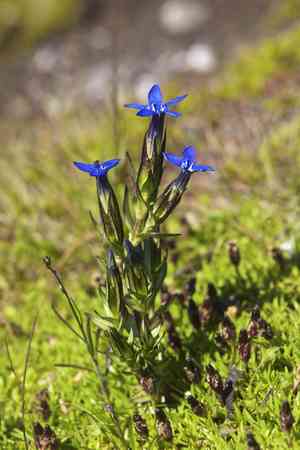
A resilient mountain perennial, snow gentian thrives, displaying trumpet-like blossoms on compact stalks. Following its flowering period, trim by removing faded blooms to stimulate a subsequent burst. During the spring and summer seasons, trim back any impaired or excessively grown leaves to preserve its form and vitality. This trimming practice not only fosters robust development but also hinders seed dissemination in regions where it is not indigenous. Always employ sharp, sanitized implements to avert the spread of pathogens when tending to snow gentian.
Advantages of Trimming Snow Gentian
Advantages of Trimming Snow Gentian
Trimming snow gentian promotes robust development and helps maintain its compact, appealing form. By selectively cutting back overgrown sections, gardeners can encourage a denser look and enhance the plant's inherent shape.
Optimal Time for Trimming Snow Gentian
Optimal Time for Trimming Snow Gentian
Trimming in spring coincides with snow gentian's awakening from dormancy, preparing it for the active growth period, leading to stronger, healthier development. Early summer trimming is appropriate as it follows snow gentian's blooming phase, boosting the plant's vitality and redirecting energy to new growth instead of seed production.
Required Tools for Trimming Snow Gentian
Small, precise pruning shears
Given snow gentian's delicate and small nature, small, precise shears are perfect for making clean cuts without harming the plant.
Fine-tipped pruning snips
These are ideal for reaching into confined areas and making accurate cuts, ensuring snow gentian's health and aesthetic form are preserved.
Soft-grip micro-tip blades
These implements offer comfort and control when trimming snow gentian, which is essential due to its small size and alpine growing conditions.
How to Trim Snow Gentian
Sanitize
Clean and disinfect your pruning tools to prevent disease transmission to snow gentian. Use a solution of 1 part bleach to 9 parts water or rubbing alcohol to sterilize the shears before beginning.
Diseased Leaves
Carefully inspect snow gentian for diseased leaves, which may appear discolored or spotted. Using your sanitized shears, remove these leaves at their base where they meet the stem, being careful not to damage healthy tissue.
Withered Leaves
Identify withered or dead leaves on snow gentian that are typically dry and brown. Gently remove them by snipping at their attachment point to the stem, ensuring not to pull as this could harm the plant.
Diseased Stems
Locate any stems on snow gentian that exhibit signs of disease, such as unusual coloration or lesions. Cut these stems back to healthy tissue, ensuring no diseased parts remain that could infect new growth.
Clean Up
Properly dispose of all removed plant material from snow gentian by placing it in a bin or bagging it to prevent any disease from spreading in your garden. Clean your tools again after you finish trimming.
Common Trimming Errors with Snow Gentian
Excessive trimming
Removing too much foliage from snow gentian can impede its ability to photosynthesize and grow healthily, potentially leading to stress and reduced flowering.
Neglecting deadheading
Failing to remove spent blooms from snow gentian can result in wasted energy on seed production rather than encouraging more flowers.
Incorrect tool usage
Using dull or dirty pruning tools can damage snow gentian's delicate stems, leading to unhealthy cuts and potential for disease.
Trimming healthy growth
Cutting back healthy, non-flowering stems of snow gentian by mistake can diminish the plant's vigor and flowering potential.
General Trimming Advice for Snow Gentian
Selective deadheading
Carefully remove only the faded flowers of snow gentian to encourage new blooms without disturbing healthy growth.
Sanitized cuts
Ensure pruning tools are clean and sharp to make precise cuts that snow gentian can quickly recover from, reducing disease risk.
Minimalist approach
Trim sparingly, focusing solely on removing dead or dying parts of snow gentian to maintain its natural shape and support growth.
Gentle handling
Handle snow gentian gently while trimming to avoid damaging surrounding foliage and roots, which can be sensitive.



