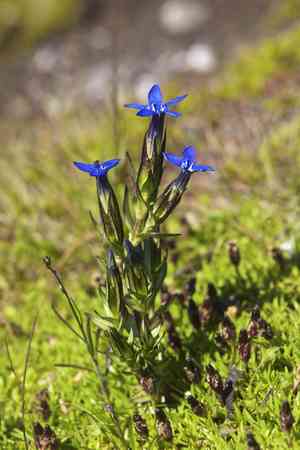
Snow gentian (Gentiana nivalis)
Also known as: Alpine gentian
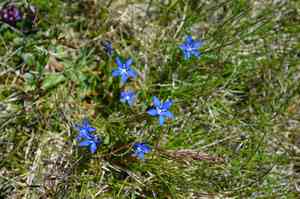
The Snow Gentian is a notable wildflower found in the mountainous areas of Europe, including Iceland. It is renowned for its rich, velvety, royal blue blossoms. This alpine flower holds the distinction of being one of the national flowers of both Austria and Switzerland.
In This Article
Attributes of Snow gentian
Lifespan
Perennial
Plant Type
Herb
Plant Height
3 cm to 15 cm
Spread
The plant does not have a significant crown structure. Diameter generally matches the spread of the leaf rosette at the base.
Leaf Color
Green
Flower Size
1.5 cm
Flower Color
Blue
Images of Snow gentian
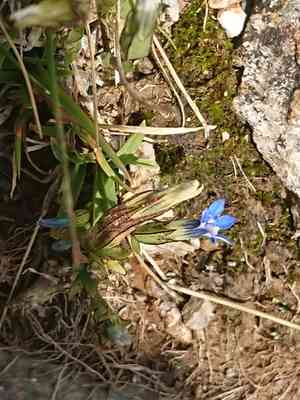
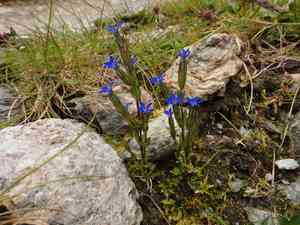
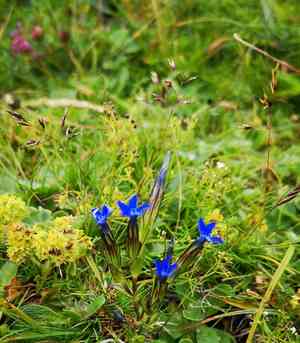
Quickly Identify Snow gentian
1
Identify Gentiana nivalis by its small stature, usually growing between 5 to 10 cm tall, and its vibrant blue flowers with a star-shaped appearance. The leaves are narrow, lanceolate, and paired along the stem.
Scientific Classification of Snow gentian
Phylum
Vascular plants
Class
Dicotyledons
Order
Gentianales
Family
Gentian
Genus
Gentian
Species
Snow gentian
Planting and Growing of Snow gentian
Care Difficulty
Hard
Watering Schedule
Every 2 days
Sunlight Requirements
Partial sun
Sunshine Duration
4-8 hours
Ideal Temperature
59-68℉
Soil Type
Potting Mix, Peat Mix
Soil pH
6.5-7.5
Fertilizer Type
Balanced
Pruning Season
Spring, Summer
Pruning Area
Branches, Leaves
Pruning Frequency
2 times a year
Repotting Season
Spring
Pot Type
Plastic, Ceramic
 How to Water Snow gentian?
For Gentiana nivalis, it's best to water until the soil is evenly moist but not soggy. Aim for around 100 ml per watering session, enough to ensure moisture reaches the root zone without causing waterlogging.
What are the symptoms of an underwatered Snow gentian?
›
What should I do if my Snow gentian is not getting enough water?
›
What are the symptoms of an overwatered Snow gentian?
›
How to save an overwatered Snow gentian?
›
 What Are the Sunlight Requirements for Snow gentian?
Gentiana nivalis thrives in partial to full sun. Ideal sunlight fosters vibrant blooms, robust growth, and strengthens the plant's resistance against environmental stresses.
How much sunlight does Gentiana nivalis need daily?
›
What if my garden is too shaded?
›
Can too much sunlight be detrimental?
›
 What Is the Ideal Temperature Range for Snow gentian?
Gentiana nivalis thrives best within a temperature range of 59°F to 68°F. These conditions mimic its native alpine environments, where temperatures are consistently cool, allowing optimal physiological function and growth. Ensuring this temperature range is maintained will help your plants exhibit healthy foliage and vibrant flowers.
 What Soil is Best for Snow gentian?
Gentiana nivalis thrives in well-drained soil as it prevents waterlogging and ensures the roots receive adequate oxygen. Good drainage allows for healthy root development, which is essential for the plant's nutrient uptake and overall vitality. A nutrient-rich medium supports robust growth for Gentiana nivalis. High organic matter enhances soil fertility, providing essential nutrients that improve flowering and foliage health, ensuring the plant remains lush and vibrant. Gentiana nivalis prefers soil that retains moderate moisture. Consistent moisture supports optimal cellular function and growth processes, promoting sustained health without the risk of fungal diseases from excessive moisture.
 How to Fertilize Snow gentian?
Gentiana nivalis thrives on balanced fertilizers with a 10-10-10 NPK ratio. To ensure their delicate alpine nature is respected, use about 1/4 teaspoon per gallon of water for liquid solutions, and follow package instructions for granular options, ensuring any application does not overload the plant.
 How to Prune Snow gentian?
Always use sharpened and sterilized pruning shears to make clean cuts. This reduces the chance of introducing pathogens and ensures quicker healing of cuts, promoting overall health of the plant. Avoid excessive pruning as this can stress the plant and inhibit bloom production. Aim to remove no more than one-third of the plant's overall volume to maintain its natural shape and vigor.
More About Pruning Techniques→
 How to Propagate Snow gentian plant?
1
Fill seed trays with a fine potting mix and moisten it slightly. Ensure that the media is evenly distributed and that the trays have proper drainage holes to prevent waterlogging.
2
Sprinkle the seeds of Gentiana nivalis evenly on the surface of the potting mix. Press them gently into the soil but do not cover them completely, as they require light to germinate.
3
Place the seed trays in a location with bright, indirect light, and maintain a consistent temperature around 15-20°C (59-68°F). Keep the soil moist but not soggy by misting it regularly.
 How to Repot Snow gentian plant?
1
Observe the Gentiana nivalis for signs such as roots growing out of drainage holes, stunted growth, or poor water retention. These indicate that it's time to repot. The best time is either in Spring, when the plant is gearing up for the growing season, or in Autumn, when it’s less stressed by summer heat.
2
Select a pot that is just one size larger than the current one. Terracotta pots are ideal, as they allow the soil to breathe and prevent waterlogging. Ensure the pot has adequate drainage holes to avoid root rot, providing the plant with a healthy growing environment.
3
Gentiana nivalis thrives in a well-draining, acidic soil mix. Using a mix that includes peat moss and sand helps replicate its natural habitat and ensures good drainage. This ensures the roots have access to oxygen and don't sit in water, preventing root rot and encouraging healthy growth.



