How to Prune Pleated gentian?
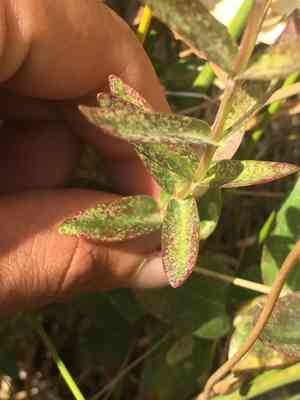
This variety, recognized for its bell-shaped blossoms and folded foliage, flourishes with limited trimming. Remove faded flowers and deadhead consistently during the pleated gentian's pruning periods of spring and summer to stimulate additional blooming and inhibit self-propagation. Sever any foliage damaged by frost or deceased in early spring to encourage robust development. Trimming, though not extensive, cultivates a dense and lively appearance, rendering it a beneficial practice for cultivators to augment the plant's inherent attractiveness and strength.
What Are the Benefits of Pruning Pleated Gentian?
What Are the Benefits of Pruning Pleated Gentian?
Trimming pleated gentian promotes robust development and helps maintain its characteristic form. Regular cutting can revitalize pleated gentian's overall health, ensuring it directs energy towards producing abundant flowers and foliage.
What Is the Best Time for Pruning Pleated Gentian?
What Is the Best Time for Pruning Pleated Gentian?
Pruning pleated gentian during late spring and early summer is advantageous as it coincides with the post-flowering period, enabling gardeners to remove spent blossoms and stimulate new growth. This timing avoids disrupting the plant's natural blooming cycle, which typically occurs from spring to early summer. Pruning in these recommended seasons also enhances the plant's vigor and health, allowing it ample time to recover and grow throughout the summer months. It is crucial not to prune too late in the season to prevent damage to new growth that may not endure winter conditions.
What Tools Do I Need to Prune Pleated Gentian?
Bypass Pruners
Perfect for making clean, precise cuts on pleated gentian's stems without causing harm, ensuring healthy regeneration.
Gardening Gloves
Protects hands during the pruning of pleated gentian, which might have sharp edges or potentially cause skin irritation.
Small Gardening Shears
Useful for shaping pleated gentian and removing faded blooms or dead foliage with minimal disruption to the plant.
How to Prune Pleated Gentian
Clean tools
Before beginning the pruning process, sanitize pruning tools using a bleach and water solution or rubbing alcohol to prevent the spread of pathogens to pleated gentian.
Diseased leaves
Locate and carefully remove any diseased leaves from pleated gentian using sharp, sterilized pruning shears. Ensure a clean cut without tearing to facilitate rapid healing.
Withered leaves
Identify withered or yellowed leaves and trim these off at their base where they meet the stem or the next healthy leaf junction, reducing stress and directing energy towards new growth.
Diseased stems
Examine pleated gentian for any stems showing signs of disease, such as discoloration or rot. Prune these stems down to the base or to the nearest healthy node, ensuring no damage to healthy tissue.
Cleanup
After pruning, clear away all removed plant material from around pleated gentian to prevent the potential spread or development of diseases and pests.
Common Pruning Mistakes with Pleated Gentian
Over-pruning
Cutting back too much of pleated gentian can lead to stress, weakening the plant and potentially reducing its vigor and bloom. Pleated gentian should not be pruned too severely as it can have a considerable impact on its ability to flourish.
Improper cuts
Incorrect cutting techniques can cause undue harm to pleated gentian. Cuts should be clean and made at an angle to avoid water accumulation that can lead to rot or disease.
Removing healthy growth
Unnecessarily cutting away healthy tissue can limit pleated gentian's growth and blooming potential. It's important to differentiate between dead or diseased stems and healthy ones.
Pruning without sterilized tools
Using unsterilized tools can introduce pathogens to pleated gentian, causing infections. Always ensure your pruning tools are clean and sharp.
Common Pruning Tips for Pleated Gentian
Selective thinning
Remove only the dead or diseased stems of pleated gentian, aiming to thin out the plant to increase air circulation and light penetration, which can help prevent diseases.
Encouraging new growth
By selectively pruning, you can encourage pleated gentian to produce new growth where desired. Focus on shaping the plant gently without stripping it of too many stems at once.
Cutting technique
Make sure to cut stems of pleated gentian at an angle just above a leaf node or bud. This increases the chances of new growth and helps to prevent water accumulation on the cut surface, which can lead to rot.
Pruning timing
While the best season for pruning is excluded, it's critical to mention that pruning pleated gentian at the wrong time can inhibit blooming. Knowing the correct timing for this species is key to successful pruning.
Protection of the crown
Pleated gentian has a delicate crown that should not be pruned. It is essential to avoid cutting back into the crown of the plant, as this can damage the perennial nature of pleated gentian.



