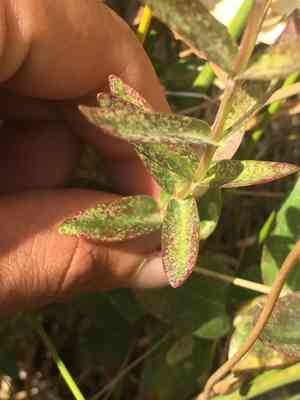
Pleated gentian (Gentiana affinis)
Also known as: Closed Bottle Gentian, Rocky Mountain Gentian
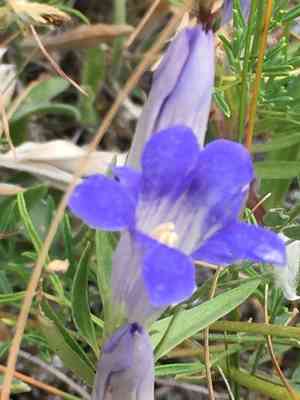
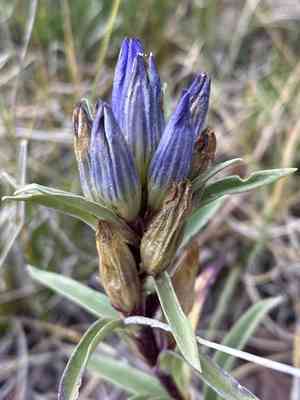
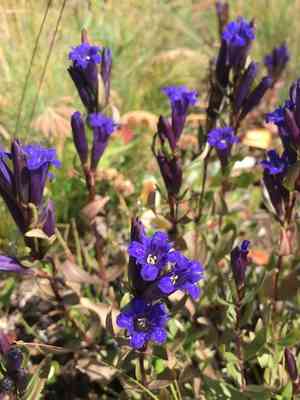
The pleated gentian thrives in moist environments such as mountain meadows and along streambanks, displaying a strong adaptability to these conditions. Its striking deep blue to violet, trumpet-shaped flowers often feature greenish veins and rise from a low rosette of lance-shaped leaves. These colorful blooms typically appear from late spring to early summer.
In This Article
Attributes of Pleated gentian
Lifespan
Perennial
Plant Type
Herb
Plant Height
5 cm to 66 cm
Spread
15 cm to 30 cm
Leaf Color
Green
Flower Size
2.5 cm to 4 cm
Flower Color
Purple Blue
Images of Pleated gentian
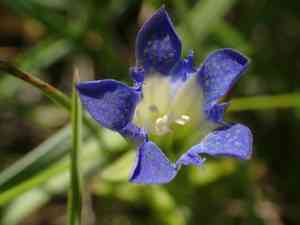
Quickly Identify Pleated gentian
1
Gentiana affinis can be identified by its closed, tubular flowers that appear blue to violet. The leaves are opposite, lance-shaped, and have a smooth margin. The plant typically grows in moist, well-drained soils and blooms from late summer to early fall.
Scientific Classification of Pleated gentian
Phylum
Vascular plants
Class
Dicotyledons
Order
Gentianales
Family
Gentian
Genus
Gentian
Species
Pleated gentian
Planting and Growing of Pleated gentian
Care Difficulty
Easy
Watering Schedule
Every 2 days
Sunlight Requirements
Full sun
Sunshine Duration
6-10 hours
Ideal Temperature
60-75℉
Soil Type
Potting Mix, Peat Mix
Soil pH
6.5-7.5
Fertilizer Type
Balanced
Pruning Season
Spring, Summer
Pruning Area
Branches, Leaves
Pruning Frequency
2 times a year
Repotting Season
Spring
Pot Type
Plastic, Ceramic
 How to Water Pleated gentian?
Gentiana affinis prefers soil that is consistently moist but not waterlogged. Each watering session should involve around 250 milliliters, which allows the soil to be thoroughly hydrated without drowning the plant. This amount ensures that the roots receive enough moisture, promoting healthy growth, while preventing the risk of root rot.
What are the symptoms of an underwatered Pleated gentian?
›
What should I do if my Pleated gentian is not getting enough water?
›
What are the symptoms of an overwatered Pleated gentian?
›
How to save an overwatered Pleated gentian?
›
 What Are the Sunlight Requirements for Pleated gentian?
Gentiana affinis flourishes best in environments receiving full to partial sunlight, ideally with 4 to 6 hours of direct morning light. This balance ensures robust growth while preventing excessive stress from prolonged direct exposure.
More About Sunlight Requirements Techniques→
What kind of lighting does Gentiana affinis thrive in?
›
How can I ensure optimal sunlight for Gentiana affinis?
›
What benefits does adequate lighting offer to Gentiana affinis?
›
 What Is the Ideal Temperature Range for Pleated gentian?
For the optimal growth of Gentiana affinis, maintaining a temperature range between 60°F and 75°F is crucial. This range allows the metabolic processes of the plant to function efficiently, ensuring robust growth and vibrant blooms. Consistent temperatures within this range mimic their natural high-altitude habitats, promoting healthy foliage and flower formation.
 What Soil is Best for Pleated gentian?
Gentiana affinis thrives in loamy soils that retain moisture without becoming waterlogged. This type of soil allows roots to access water consistently, which is crucial for the plant's growth and flowering processes. Sandy loam, rich in organic matter, provides a wealth of nutrients necessary for the vigorous growth of Gentiana affinis. This ensures lush foliage and vibrant blooms throughout the growing season. While Gentiana affinis requires moisture, it also needs soil that offers good drainage to prevent root rot. Loam and sandy loam provide this balance by allowing excess water to flow away easily while retaining necessary moisture.
 How to Fertilize Pleated gentian?
For Gentiana affinis, the amount of fertilizer should be carefully measured. Use liquid fertilizer at half the recommended strength to avoid over-fertilization. For slow-release fertilizers, apply according to manufacturer instructions but err on the side of caution. The plant doesn't require intense feeding.
 How to Prune Pleated gentian?
To begin pruning Gentiana affinis, first identify and trim dead or damaged stems. This will not only tidy up the plant but will also redirect energy towards healthier growth. After removing dead parts, focus on shaping the plant. Cut back long, leggy stems to maintain a compact form, which can help improve air circulation and reduce disease risk. To avoid cutting off next season's flower buds, wait until after the plant has finished blooming before pruning. This ensures that you get the maximum display of flowers.
More About Pruning Techniques→
 How to Propagate Pleated gentian plant?
1
Start by sowing Gentiana affinis seeds onto the surface of a seed tray filled with a potting mix. Do not cover the seeds, as they need light to germinate. Maintain even moisture by misting and place the tray in a location with indirect sunlight to facilitate germination.
2
For cutting propagation, select a healthy Gentiana affinis stem and cut a 4-6 inch section using sterilized pruning shears. Remove the lower leaves and dip the cut end in rooting hormone to enhance root development. Plant the cutting in a medium like sand or vermiculite.
3
Gentiana affinis can also be propagated by division. Carefully dig up the plant in early summer and divide the root clump into smaller sections, ensuring each section has sufficient roots and shoots. Replant each section promptly in a prepared site or pot.
 How to Repot Pleated gentian plant?
1
Repot Gentiana affinis when you notice roots emerging from the drainage holes or if the growth seems stunted due to being root-bound. This typically occurs every couple of years. Choosing the right time is crucial as it allows the plant to establish itself in its new pot before entering its next growth phase.
2
Select a pot that is one size larger than the current one, with ample drainage holes. This prevents waterlogging, which could lead to root rot, and gives the roots space to expand comfortably. A slightly deeper pot ensures stability and encourages healthy root growth.
3
Choose a soil mix that is well-drained and slightly acidic, mimicking the plant's natural habitat. A blend with peat and perlite can offer both aeration and moisture retention. The right soil mix supports optimal nutrient uptake and prevents root diseases.
Learn More About Pleated gentian Diseases
Anthracnose
Bacterial Leaf Spot
Bacterial Wilt
Crown Gall
Cyst Nematode
Damping-off
Downy Mildew
Drought Stress
Fusarium Wilt
Gray Mold
Leaf Spot
Mosaic
Nutrient Deficiency
Nutrient Toxicity
Powdery Mildew
Root Rot
Root-knot Nematode
Rusts
Sooty Mold
Spider Mites
Temperature Stress
Thrips Damage
White Mold



