How to Prune Western tea-berry?
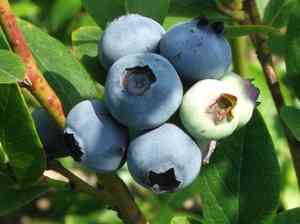
Gaultheria humifusa, a compact shrub featuring diminutive, lustrous foliage and white blossoms, needs very little trimming. Perform pruning in late winter or early spring, prior to the emergence of new shoots. Eliminate any deceased, injured, or intersecting branches to improve air movement and light exposure. Lightly shape the plant, but refrain from severe cuts that could harm it. Pruning boosts the yield of flowers and berries, resulting in a more robust and visually appealing garden plant.
What Are the Benefits of Pruning Western Tea-berry?
What Are the Benefits of Pruning Western Tea-berry?
Pruning Western Tea-berry promotes vigorous development and maintains its form. It improves air circulation, lessens pest and disease problems, fosters healthier foliage, and boosts flowering and fruiting potential. Regular trimming ensures better appearance and overall plant vitality.
What Is the Best Time for Pruning Western Tea-berry?
What Is the Best Time for Pruning Western Tea-berry?
Trimming Western Tea-berry in late winter or early spring aligns with its natural growth cycle, occurring just before new growth emerges. This timing minimizes plant stress, effectively shapes its structure, and encourages robust new development. Furthermore, pruning prior to the blooming season directs the plant's energy toward producing fresh buds and flowers, unhindered by older, potentially damaged branches.
What Tools Do I Need to Prune Western Tea-berry?
Bypass Pruners
Sharp bypass pruners are crucial for making precise cuts on small branches and stems, preventing harm to the plant's vascular system.
Garden Scissors
Useful for detailed trimming of smaller, delicate shoots and leaves, ensuring meticulous upkeep without excessive cutting.
Loppers
These are essential for severing thicker branches that cannot be easily managed with bypass pruners, offering greater leverage and cutting force.
Hand Saw
For any larger or more mature woody sections, a hand saw can provide clean cuts without causing undue strain on the plant.
How to Prune Western Tea-berry
Prepare tools
Gather sanitized pruning shears or scissors to ensure clean cuts and prevent the spread of pathogens.
Identify material
Examine western tea-berry closely to pinpoint diseased and withered leaves that require removal. Diseased leaves may show signs of discoloration, spots, or fungal growth, while withered leaves appear dry and shriveled.
Trim diseased leaves
Carefully cut off the diseased leaves at their base near the main stem, ensuring you remove the entire affected area to prevent the disease from spreading.
Trim withered leaves
Remove withered leaves by making clean cuts close to the stem, focusing on removing parts that do not contribute to the plant's health or growth.
Dispose trimmings
Collect all removed leaves and dispose of them properly. Do not leave them near western tea-berry or compost them, as this could spread disease.
Common Pruning Mistakes with Western Tea-berry
Over-pruning
Removing too much foliage at once can stress western tea-berry and hinder its growth.
Incorrect tools
Using dull or improper tools can cause jagged cuts, leading to potential disease or poor healing.
Pruning at the wrong time of day
Pruning during the heat of the day can add stress to western tea-berry, especially if the plant is already wilting.
Neglecting sanitation
Failing to clean tools between uses can spread disease from one plant to another.
Common Pruning Tips for Western Tea-berry
Use sharp tools
Always use sharp and clean pruning shears to make clean cuts that heal quickly.
Remove dead or diseased parts first
Start by removing any dead, diseased, or damaged branches to prevent the spread of disease and encourage healthy growth.
Aim for shape and airflow
Focus on thinning the plant to improve air circulation and light penetration, which can enhance the overall health and flowering of western tea-berry.
Cut above a node or bud
Make cuts just above a healthy node or bud to encourage new, robust growth.
Monitor and adjust
Regularly inspect western tea-berry and make small, timely adjustments rather than waiting and having to perform major pruning at infrequent intervals.



