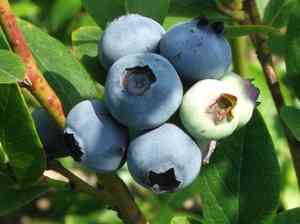
Western tea-berry (Gaultheria ovatifolia)
Also known as: Western Teaberry, Oval-leafed Salal
The plant you're referring to is the lingonberry (Vaccinium vitis-idaea). This low-growing evergreen shrub has shiny, oval leaves. It produces characteristic bell-shaped pink or white flowers that develop into edible red berries. Lingonberries are well-suited to cooler climates and flourish in the shaded understory of forested areas.
In This Article
Attributes of Western tea-berry
Lifespan
Perennial
Plant Type
Herb
Plant Height
2.5 cm to 8 cm
Spread
30 to 60 cm
Leaf Color
Dark green
Flower Size
0.5 to 1 cm
Flower Color
White to pink
Images of Western tea-berry
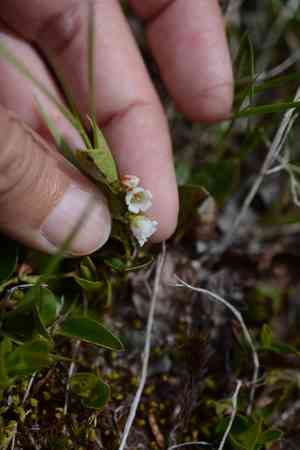
Quickly Identify Western tea-berry
1
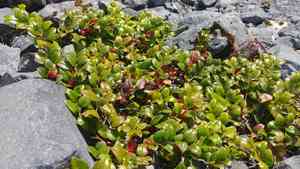
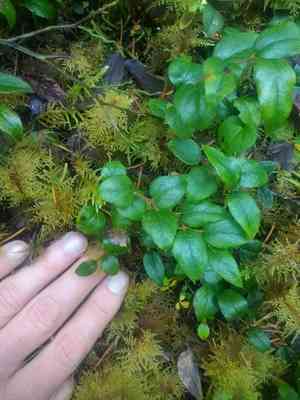
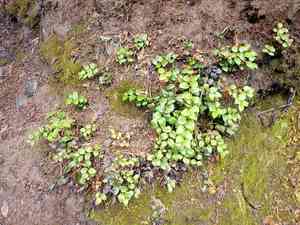
To identify Gaultheria ovatifolia, look for its distinctive oval leaves with a glossy surface and serrate edges. The plant typically grows low to the ground, forming dense mats. The white to pink bell-shaped flowers and small, blue to dark purple berries are also key identification traits.
Scientific Classification of Western tea-berry
Phylum
Vascular plants
Class
Dicotyledons
Order
Ericales
Family
Heath
Genus
Snowberries
Species
Western tea-berry
Planting and Growing of Western tea-berry
Care Difficulty
Moderate
Watering Schedule
Every 3 days
Sunlight Requirements
Full shade
Sunshine Duration
4-8 hours
Ideal Temperature
60-75℉
Soil Type
Potting Mix, Peat Mix
Soil pH
5-7
Fertilizer Type
Balanced
Pruning Season
Spring, Summer
Pruning Area
Branches, Leaves
Pruning Frequency
2 times a year
Repotting Season
Spring
Pot Type
Plastic, Ceramic
 How to Water Western tea-berry?
The Gaultheria ovatifolia, or oval-leafed Wintergreen, requires a careful balance in watering to thrive. Watering should be done to ensure the soil is consistently moist but not waterlogged. This typically translates to about 200 ml per watering session, enough to saturate the root zone without pooling on the soil surface. It's essential to monitor the soil moisture closely, especially during dry spells, to ensure it doesn't dry out completely.
What are the symptoms of an underwatered Western tea-berry?
›
What should I do if my Western tea-berry is not getting enough water?
›
What are the symptoms of an overwatered Western tea-berry?
›
How to save an overwatered Western tea-berry?
›
 What Are the Sunlight Requirements for Western tea-berry?
Partial sun to full shade environments encourage robust growth, maintaining vibrant leaf color and optimal flowering. Ideal lighting mitigates stress and encourages root development.
What is the ideal lighting for Gaultheria ovatifolia?
›
How can I achieve ideal lighting conditions?
›
What are the benefits of ideal lighting?
›
 What Is the Ideal Temperature Range for Western tea-berry?
Gaultheria ovatifolia thrives best in temperatures between 60°F and 75°F. This range provides the optimal conditions for metabolic processes and physiological functions necessary for healthy growth. Maintaining temperatures within this range ensures the plant has adequate energy for photosynthesis and nutrient uptake, promoting robust growth and flowering.
 What Soil is Best for Western tea-berry?
Gaultheria ovatifolia thrives in acidic soils. An optimal acidic condition facilitates nutrient absorption, particularly iron and manganese, and supports the plant's vibrant foliage and growth. This plant prefers soils that retain moisture well without becoming waterlogged. Consistent moisture supports steady growth, prevents wilting, and enhances root health. Rich organic matter is beneficial as it enhances soil fertility and structure, supporting root development and providing essential nutrients for overall plant health.
 How to Fertilize Western tea-berry?
Gaultheria ovatifolia, also known as western teaberry, prefers a balanced approach to fertilization. For liquid fertilizers, apply at a concentration of one tablespoon per gallon of water, while slow-release granular fertilizers should be used at a rate of 1/4 pound per 100 square feet. This ensures adequate nutrient supply without risking root damage.
 How to Prune Western tea-berry?
Start by removing any dead or damaged stems using clean, sharp pruning shears to prevent the spread of disease. Trim back the plant to maintain its shape, ensuring you don't remove more than one-third of the total foliage at a time. Focus on outward-facing buds to promote more expansive growth. After the first flowering in spring, cut back selected stems by a quarter of their length. This will stimulate new shoots and help the plant become denser and fuller. During the summer, remove any competing shoots from the plant’s center to promote better airflow.
More About Pruning Techniques→
 How to Propagate Western tea-berry plant?
1
Begin by collecting mature seeds from the Gaultheria ovatifolia plant. Ensure that the seeds are fully developed by confirming their hardness and brownish hue, which indicates maturity.
2
Select healthy, semi-hardwood portions of the plant to make cuttings. These should be approximately 4-6 inches long. Remove any flowers or buds to direct energy towards root development.
3
Carefully dig up the mature plant and gently separate it into smaller sections, ensuring each section has roots. Prepare the new site or containers where these divisions will be planted.
 How to Repot Western tea-berry plant?
1
Gaultheria ovatifolia needs repotting when its roots start to emerge from the drainage holes or if its growth has noticeably slowed. Spring is the ideal season, as it allows the plant to re-establish itself in optimal conditions after the stress of repotting.
2
Select a pot that is one size larger than the current one and ensures excellent drainage to prevent waterlogging. A slightly wider pot allows room for root growth and helps sustain the plant's development, but avoid oversized pots as they retain too much moisture.
3
Opt for a well-draining acidic soil mix tailored for acid-loving plants. Such soil provides the necessary environment for optimal nutrient absorption and root health, which is crucial for the growth and vitality of Gaultheria ovatifolia.
Toxicity
None
WARNING
The judgment on toxicity and danger is for reference only. We DO NOT GUARANTEE any accuracy of such judgment. Therefore, you SHALL NOT rely on such judgment. It is IMPORTANT TO SEEK PROFESSIONAL ADVICE in advance when necessary.



