How to Prune Starry bedstraw?
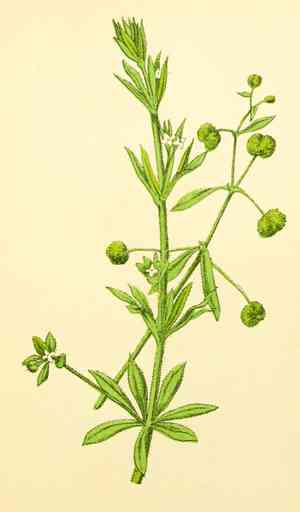
Galium stellatum, recognized for its intricate star-like blossoms, thrives with trimming in late winter or early spring. Sever aged and lifeless stalks to stimulate fresh development and preserve its dense shape. Pruning during this period aligns with the plant's inherent growth rhythm and enhances flowering. Consistent elimination of faded blooms aids in prolonging the blossoming phase. For optimal outcomes, employ sanitized, keen implements to prevent harm and foster robust regeneration.
What Are the Benefits of Pruning Starry Bedstraw?
What Are the Benefits of Pruning Starry Bedstraw?
Trimming starry bedstraw encourages robust development and helps maintain its form. Regular trimming eliminates dead or diseased sections, enhancing overall plant vitality and look, and deterring pest issues. This ensures starry bedstraw thrives vigorously and stays within desired limits.
What Is the Best Time for Pruning Starry Bedstraw?
What Is the Best Time for Pruning Starry Bedstraw?
Trimming starry bedstraw from late winter to early spring is ideal as it aligns with the plantâs growth cycle, minimizing disruption. During these periods, starry bedstraw is typically dormant or just starting its growth phase, which helps reduce stress and allows for quicker recovery. Pruning at these times also avoids interfering with the blooming period, promoting better health and more abundant flowers in the subsequent growing season.
What Tools Do I Need to Prune Starry Bedstraw?
Hand Pruners
Perfect for snipping small stems and branches of starry bedstraw due to their accuracy and control. Ensure they are sharp to prevent plant damage.
Bypass Pruners
Preferred for making clean cuts on live stems of starry bedstraw, minimizing harm and encouraging rapid healing.
Pruning Shears
Useful for more demanding trimming tasks on larger stems of starry bedstraw. They provide greater force and leverage.
Snips
Fine-tipped snips are excellent for detailed work on starry bedstraw, such as deadheading or cutting small, delicate foliage.
How to Prune Starry Bedstraw
Inspect leaves
Regularly check the plant for any indications of diseased or withered foliage, ensuring prompt detection and treatment.
Sterilize tools
Before trimming, sanitize your cutting implements with a solution of one part bleach to nine parts water to prevent disease transmission.
Remove diseased leaves
Cut off diseased foliage using sterilized scissors or pruners. Make cuts at least 1 inch below the affected area to ensure all compromised tissue is removed.
Remove withered leaves
Trim off any dried leaves close to the base without harming the healthy stem, promoting improved air circulation and new growth.
Dispose properly
Immediately discard all removed foliage away from the planting area to prevent potential reinfection or disease spread.
Common Pruning Mistakes with Starry Bedstraw
Improper Technique
Many gardeners use dull or unsuitable tools for trimming, causing ragged cuts that can lead to disease and pest infestation.
Over-Pruning
Removing too much of the plant at once can stress starry bedstraw, leading to poor growth or even plant death. It is crucial to avoid excessive cutting.
Pruning at Incorrect Points
Cutting in the wrong places can harm the plant's structure. Failing to cut above a node or a bud can impede new growth.
Lack of Sanitization
Not cleaning pruning tools before and after use can spread diseases from one plant to another.
Common Pruning Tips for Starry Bedstraw
Use Sharp, Clean Tools
Ensure that pruners, shears, and scissors are sharp and sanitized before use to make clean cuts and prevent disease spread.
Prune Lightly and Regularly
Consistent, light trimming encourages healthy growth. Aim to remove about 10-20% of the plantâs growth to avoid stressing starry bedstraw.
Focus on Removing Dead or Diseased Parts
Prioritize cutting away any dead, diseased, or damaged stems and leaves to improve air circulation and prevent disease.
Cut Above a Node or Bud
Always make cuts just above a node or bud, as this is where new growth will emerge. Angled cuts help prevent water from sitting on the cut surface.



