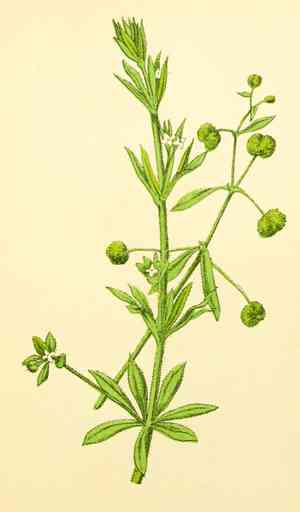
Starry bedstraw (Galium stellatum)
Also known as: Starry Bedstraw
Starry bedstraw is marked by its starry cluster of white to pale yellow flowers, giving rise to its starry common reference. This hardy perennial sports whorled, lanceolate leaves that exhibit a fine hairiness, adaptive for reducing water loss in starry bedstraw's typical arid habitats. This feature, paired with a robust root system, allows starry bedstraw to thrive amidst rocky outcrops and well-drained soils.
In This Article
Attributes of Starry bedstraw
Lifespan
Perennial
Plant Type
Herb
Plant Height
10-30 cm
Spread
N/A (Creeping plant)
Leaf Color
Green
Flower Size
0.3-0.5 cm
Flower Color
White
Images of Starry bedstraw
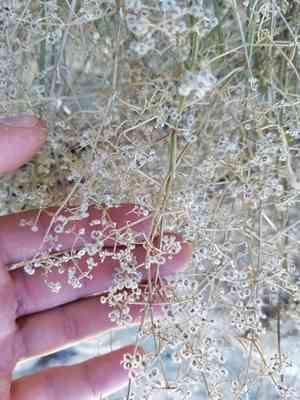
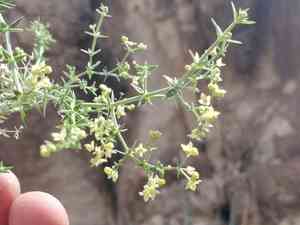
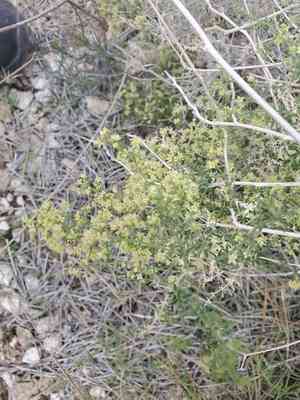
Quickly Identify Starry bedstraw
1
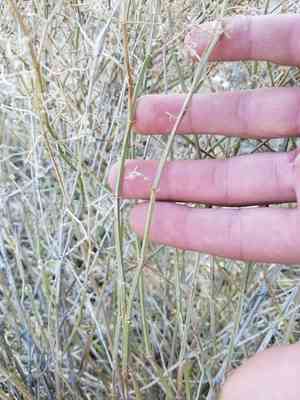
Look for its small, star-shaped white flowers and whorled leaves. The leaves are typically arranged in groups of four to six around the stem. The plant has a sprawling growth habit.
Scientific Classification of Starry bedstraw
Phylum
Vascular plants
Class
Dicotyledons
Order
Gentianales
Family
Madder
Genus
Bedstraws
Species
Starry bedstraw
Planting and Growing of Starry bedstraw
Care Difficulty
Moderate
Watering Schedule
Every 2 days
Sunlight Requirements
Full sun
Sunshine Duration
4-8 hours
Ideal Temperature
60-70℉
Soil Type
Potting Mix, Peat Mix
Soil pH
6.5-7.5
Fertilizer Type
Balanced
Pruning Season
Spring, Summer
Pruning Area
Branches, Leaves
Pruning Frequency
2 times a year
Repotting Season
Spring
Pot Type
Plastic, Ceramic
 How to Water Starry bedstraw?
For Galium stellatum, it is essential to ensure that the soil is moist but not waterlogged. A good practice is to water until the excess begins draining from the pot's bottom, which indicates that the water has thoroughly wetted the root zone. Approximately 250 ml per session is ideal, considering soil drainage and evaporation conditions.
What are the symptoms of an underwatered Starry bedstraw?
›
What should I do if my Starry bedstraw is not getting enough water?
›
What are the symptoms of an overwatered Starry bedstraw?
›
How to save an overwatered Starry bedstraw?
›
 What Are the Sunlight Requirements for Starry bedstraw?
Galium stellatum prefers full sun to partial sun, optimally in the range of 4 to 6 hours of direct light daily. This balance fosters strong, healthy growth and flowering. Proper light exposure maximizes photosynthesis, enhancing leaf color and overall plant vitality, making it more resilient and vibrant.
How much sunlight does Galium stellatum need?
›
What if my Galium stellatum doesn't receive enough light?
›
Should I shield Galium stellatum from harsh sunlight?
›
 What Is the Ideal Temperature Range for Starry bedstraw?
The optimal temperature range for growing Galium stellatum is between 60°F to 70°F. This range provides the perfect conditions for photosynthesis, nutrient uptake, and overall plant vigor, ensuring healthy growth and flowering.
 What Soil is Best for Starry bedstraw?
Galium stellatum thrives in well-draining soil, which prevents waterlogging and root rot. Ensuring good drainage also allows for adequate oxygen flow to the roots, promoting strong, healthy growth. This plant prefers soil with moderate fertility, meaning it can grow happily without excessive nutrients. Overly rich soils can lead to excessive foliage and poor flowering, hence a balanced approach ensures vibrant blooms. While good drainage is essential, the soil should retain enough moisture to keep the plant hydrated. This balance is crucial for maintaining the plant's resilience during dry spells, supporting its overall vigor.
 How to Fertilize Starry bedstraw?
Galium stellatum, commonly known as a starry bedstraw, benefits from a balanced approach to fertilization. Use a diluted liquid fertilizer at a quarter strength every two weeks during the growing season to ensure steady growth without overfeeding.
 How to Prune Starry bedstraw?
First, identify any dead, diseased, or weak stems in your Galium stellatum. Removing these stems encourages healthy growth and prevents disease spread. Trim back excess growth to maintain the desired shape and size of the plant. This involves cutting stems back to a node or the main stem, which can stimulate new growth. When pruning, try to retain the natural shape of the Galium stellatum to ensure it retains its aesthetic appeal. Over-pruning can result in an awkward appearance.
More About Pruning Techniques→
 How to Propagate Starry bedstraw plant?
1
Start by filling seed trays with a quality potting mix, pressing gently to ensure there are no air pockets. Sow seeds evenly on the surface and cover lightly with soil. Mist the surface with water, keeping it moist but not waterlogged, and place the trays in a warm, well-lit area.
2
Select a healthy, non-flowering shoot, and cut a piece about 10 cm long, making the cut just below a node. Remove the leaves from the bottom half of the cutting. Dip the cut end in rooting hormone before placing it in a pot filled with a well-draining potting mix.
3
Divide the plant by carefully removing it from the pot and separating it into several smaller clumps. Ensure each division has roots and shoots attached. Replant these divisions in separate pots with fresh soil, watering them thoroughly after planting.
 How to Repot Starry bedstraw plant?
1
Galium stellatum thrives when repotted in spring or autumn. The need for repotting is indicated by roots visibly circling the bottom of the pot or a marked slowdown in growth despite optimal conditions. These signs suggest the plant desires more space to expand its root system.
2
Select a pot that is only one size larger than the current one. A pot that is too large may retain excess moisture, risking root rot, but the appropriately sized pot ensures enough room for root growth while maintaining proper drainage, thereby promoting healthy plant development.
3
Opt for a well-draining, gritty soil mix tailored for succulents and cacti. This type of soil ensures proper drainage, preventing waterlogged conditions that could prove detrimental to Galium stellatum, and supports healthy root aeration, crucial for optimum growth.



