How to Prune Graceful bedstraw?
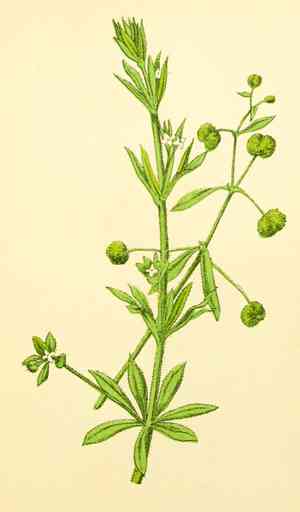
Galium mollugo exhibits slender, spiraling foliage and tiny, pale blossoms. Trim this specimen in the initial part of spring or the latter portion of winter. Eliminate any lifeless or injured stalks, and reduce dense sections to ensure proper airflow and form. Trimming just above a leaf joint stimulates robust development. Post-bloom pruning can diminish seed dispersal and manage its proliferation. Appropriate timing and methods foster vitality and flowering, rendering Galium mollugo a desirable inclusion in landscapes.
What Are the Benefits of Pruning Graceful Bedstraw?
What Are the Benefits of Pruning Graceful Bedstraw?
Pruning graceful bedstraw encourages more robust development and helps maintain its desired form. It aids in managing its size, enhances its overall look, and boosts its resistance to pests and diseases, leading to a healthier, more appealing plant.
What Is the Best Time for Pruning Graceful Bedstraw?
What Is the Best Time for Pruning Graceful Bedstraw?
Trimming graceful bedstraw in early spring and late winter ensures the plant is not actively growing, which helps to minimize stress. During these periods, graceful bedstraw is either dormant or just beginning to emerge from dormancy, making it an ideal time to shape the plant and remove dead or damaged sections. This timing also allows the plant to recover and redirect its energy towards new growth as the weather warms. Additionally, pruning at these times helps to avoid interfering with graceful bedstraw's blooming cycle, thus preserving its aesthetic value.
What Tools Do I Need to Prune Graceful Bedstraw?
Hand pruners
Perfect for accurate cuts and easy to use, suitable for graceful bedstraw as it is a smaller, herbaceous plant.
Sharp scissors
Useful for delicate trimming tasks and can handle the fine stems and small leaves characteristic of graceful bedstraw.
Bypass pruners
Recommended for their ability to make clean cuts without crushing, crucial for maintaining the health of graceful bedstraw.
Pruning shears
Effective for cutting through thicker stems if needed, useful when graceful bedstraw has grown denser.
How to Prune Graceful Bedstraw
Identify
Examine graceful bedstraw for any indications of illness or wilting. This involves carefully checking the foliage for discolored, misshapen, or shriveled leaves.
Sanitize
Disinfect pruning tools by wiping them with rubbing alcohol. This lowers the risk of spreading disease among plants.
Remove diseased
Use disinfected pruning shears to cut off all diseased leaves. Ensure cuts are made at the base of the leaf stem to avoid leaving infected tissue.
Remove withered
Trim away withered leaves with clean cuts. Similar to removing diseased leaves, cut at the base of the leaf stem.
Dispose
Properly discard all cut leaves. Do not compost them as this might spread disease; instead, bag them and place them in the trash.
Common Pruning Mistakes with Graceful Bedstraw
Overpruning
Removing too much foliage can stress graceful bedstraw, limiting its ability to photosynthesize and potentially leading to poor growth or plant death.
Incorrect cuts
Making cuts that are too close to the main stem or leaving stubs can hinder the plant's ability to heal properly and may invite disease.
Pruning at the wrong time
Pruning during an inappropriate phase of the growth cycle can disrupt flowering and weaken plant vitality.
Common Pruning Tips for Graceful Bedstraw
Use sharp and clean tools
Ensure that pruning shears or scissors are sharp and sanitized to make clean cuts and prevent the spread of disease.
Make precise cuts
Cut above a node or a bud facing outward to encourage an open growth habit and reduce inward growth that can lead to congestion.
Remove dead or diseased wood
Regularly remove any dead, damaged, or diseased parts of graceful bedstraw to promote healthy growth and prevent the spread of diseases.
Thinning
Thin out overcrowded stems to improve air circulation within the plant, which can help reduce the incidence of fungal infections.
Light trimming
Perform light trimming to maintain the shape and size of graceful bedstraw, ensuring that the plant does not become too leggy or unmanageable.


