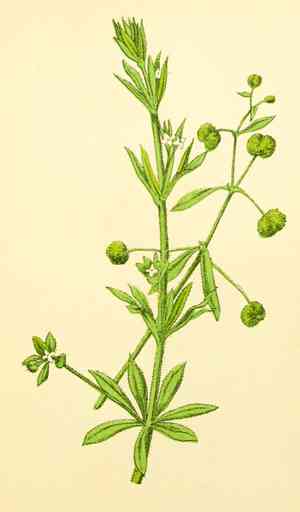
Graceful bedstraw (Galium porrigens)
Also known as: Leafy Bedstraw, Western Cleavers
Graceful bedstraw (Galium aparine) climbs effectively using its small, hooked hairs and bristles on stems and leaves, which help it cling to rocks and other plants. This species is native to the West Coast of the USA and Mexico, thriving in diverse environments, especially within the chaparral plant community. Its minute leaves and flowers, coupled with its climbing ability, contribute to its elegant look.
In This Article
Attributes of Graceful bedstraw
Lifespan
Perennial
Plant Height
64 cm to 1.5 m
Spread
N/A
Leaf Color
Green
Flower Size
0.1-0.2 cm
Flower Color
White
Images of Graceful bedstraw
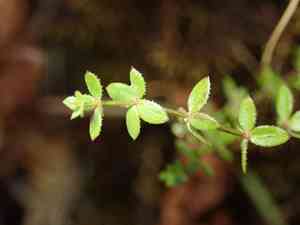
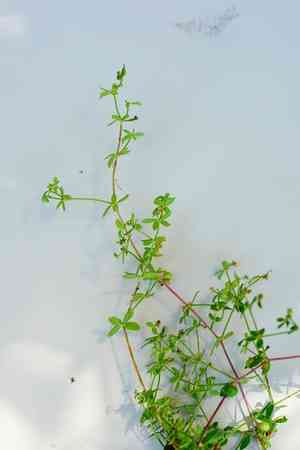
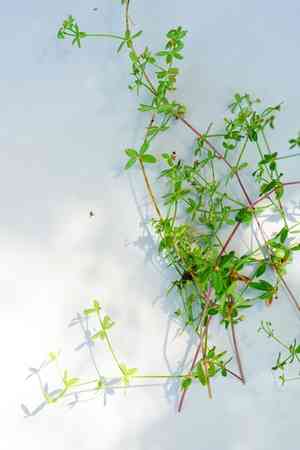
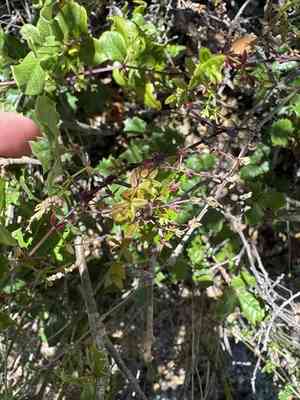
Quickly Identify Graceful bedstraw
1
This plant can be identified by its whorled leaves and small, white, four-petaled flowers. It tends to grow in wooded or shaded areas.
Scientific Classification of Graceful bedstraw
Phylum
Vascular plants
Class
Dicotyledons
Order
Gentianales
Family
Madder
Genus
Bedstraws
Species
Graceful bedstraw
Planting and Growing of Graceful bedstraw
Care Difficulty
Moderate
Watering Schedule
Every 2 days
Sunlight Requirements
Full shade
Sunshine Duration
4-6 hours
Ideal Temperature
60-75℉
Soil Type
Potting Mix, Peat Mix
Soil pH
6.5-7.5
Fertilizer Type
Balanced
Pruning Season
Spring, Summer
Pruning Area
Branches, Leaves
Pruning Frequency
2 times a year
Repotting Season
Spring
Pot Type
Plastic, Ceramic
 How to Water Graceful bedstraw?
For Galium porrigens, ensuring the soil is evenly moist is crucial, but care must be taken not to waterlog it. A good practice is to water until you see a slight runoff from the pot's drainage holes, indicating the water has saturated the root zone properly.
What are the symptoms of an underwatered Graceful bedstraw?
›
What should I do if my Graceful bedstraw is not getting enough water?
›
What are the symptoms of an overwatered Graceful bedstraw?
›
How to save an overwatered Graceful bedstraw?
›
 What Are the Sunlight Requirements for Graceful bedstraw?
Galium porrigens thrives best in partial sun to full shade conditions. Ideal lighting maintains its lush green foliage and sustains its natural growth patterns observed in shaded woodland environments.
What is the ideal sunlight exposure?
›
How can you achieve ideal lighting?
›
What benefits arise from ideal light conditions?
›
 What Is the Ideal Temperature Range for Graceful bedstraw?
The ideal temperature range for Galium porrigens is between 60°F and 75°F. This range provides optimal conditions for photosynthesis and metabolic processes, ensuring healthy growth and development. Maintaining these temperatures helps to prevent stress and encourages robust foliage.
 What Soil is Best for Graceful bedstraw?
Galium porrigens thrives in well-drained soils as it helps prevent root rot by allowing excess water to escape easily. Such soils ensure proper aeration, promoting healthy root development. This plant prefers soils with moderate fertility. Overly rich soils may cause excessive soft growth that's more susceptible to pests, while moderately fertile soil encourages robust growth and resilience. Galium porrigens grows best in soils with a slightly acidic to neutral pH. This range optimizes nutrient availability, ensuring the plant receives balanced nourishment for vigorous growth.
 How to Fertilize Graceful bedstraw?
For Galium porrigens, applying fertilizers should be done with precision. When using liquid fertilizers, aim for a concentration of 1 tablespoon per gallon of water. For solid, slow-release fertilizers, use about 1 teaspoon spread evenly across the base of the plant.
 How to Prune Graceful bedstraw?
Start by inspecting Galium porrigens for dead, diseased, or damaged stems. Remove these by cutting close to the base of the plant or back to a healthy node. This promotes overall health and redirects energy to more vigorous parts of the plant. After dealing with damaged stems, focus on shaping the plant. Trim back leggy or overly long stems to encourage a bushier appearance. Make precise cuts just above leaf nodes to stimulate new growth, helping the plant maintain a dense and appealing form.
More About Pruning Techniques→
 How to Propagate Graceful bedstraw plant?
1
Gather seeds from mature Galium porrigens plants during the early spring. Ensure the seeds are fully ripe and dry them thoroughly before planting. This increases the germination rate and the likelihood of successful propagation.
2
Select healthy stems from the parent plant and cut them at a suitable length using sterilized pruning shears. Remove the lower leaves to prepare the cutting for planting. Keep the cutting moist to promote root growth.
3
Carefully dig up the mature plant and clean the roots. Divide the plant ensuring each section has roots and at least one stem. Replant immediately to minimize root stress and promote establishment.
 How to Repot Graceful bedstraw plant?
1
You should repot Galium porrigens when you notice the roots circling the pot, the soil drying out too quickly, or stunted growth. These are signs that the plant needs more space to thrive and absorb nutrients effectively.
2
Select a pot that is 1-2 inches larger in diameter than the current one, and it should have good drainage holes. This helps prevent waterlogging and root rot, ensuring a healthier growth environment for the plant.
3
Opt for a well-draining potting mix that retains some moisture but dries out quickly enough to prevent root rot. This type of soil provides both aeration and the necessary nutrients for Galium porrigens.
Learn More About Graceful bedstraw Diseases
Anthracnose
Bacterial Leaf Spot
Bacterial Soft Rot
Bacterial Wilt
Black Spot
Chemical Injury
Crown Gall
Cyst Nematode
Damping-off
Downy Mildew
Drought Stress
Fusarium Wilt
Gray Mold
Leaf Curl
Leaf Spot
Mosaic
Nutrient Deficiency
Nutrient Toxicity
Powdery Mildew
Root Rot
Root-knot Nematode
Rusts
Sooty Mold
Spider Mites
Temperature Stress
Thrips Damage
White Mold


