How to Prune Oregon bedstraw?
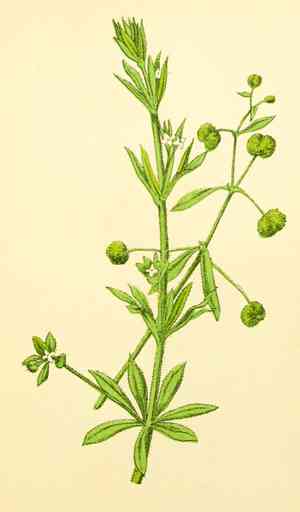
Galium oreganum, a perennial herbaceous plant, is recognized for its fragile form and minute blossoms. Trimming should be performed in late winter to early spring, prior to the emergence of new shoots. Revitalize Galium oreganum by excising deceased or compromised stalks and reducing dense sections to enhance air movement. Consistent cutting aids in preserving its contour and fostering more robust development. This method not only boosts its visual charm but also wards off ailments. Adhere to these directives for a flourishing garden display.
What Are the Advantages of Trimming Oregon Bedstraw?
What Are the Advantages of Trimming Oregon Bedstraw?
Oregon bedstraw thrives with trimming, promoting robust growth and maintaining its form. Pruning enhances air circulation, manages size, and shapes the plant, leading to healthier development and increased resistance to pests and diseases.
When Is the Optimal Time for Pruning Oregon Bedstraw?
When Is the Optimal Time for Pruning Oregon Bedstraw?
Trimming oregon bedstraw in early spring or late winter is ideal as it coincides with the plant's dormant phase, minimizing stress and stimulating vigorous new growth. Pruning at this time also allows gardeners to shape the plant before the active growing season, ensuring better air circulation and reducing disease risk. Early spring trimming can also encourage healthier flowering and fruiting as the plant enters its peak growth period.
What Equipment Do I Need to Prune Oregon Bedstraw?
Bypass Pruners
Perfect for making clean cuts on live stems and branches of oregon bedstraw. They ensure minimal harm to the plant tissue.
Hedge Shears
Useful for shaping and trimming larger sections of oregon bedstraw that may have dense growth.
Handheld Pruning Saw
Essential for cutting through thicker branches of oregon bedstraw if they develop. This tool ensures precise cuts without tearing the plant fibers.
Pruning Knife
Crucial for more detailed tasks, such as removing small, specific areas of oregon bedstraw and tidying up any rough cuts.
How to Prune Oregon Bedstraw
Assess damage
Thoroughly examine the plant to identify diseased and withered leaves. Look for discoloration, spots, or shriveled parts that clearly indicate unhealthy foliage.
Sanitize tools
Before beginning pruning, ensure your pruning shears or scissors are disinfected. Clean the tools with a 70% alcohol solution to prevent disease spread.
Remove diseased leaves
Carefully cut off diseased leaves, making the cut just above a healthy leaf node to encourage new growth. Dispose of removed diseased leaves away from the garden to prevent contamination.
Trim withered leaves
Cut off withered leaves, ensuring you trim back to a point where the stem is still healthy. Again, make the cut above a healthy leaf node.
Inspect and monitor
After pruning, inspect the plant for any signs of pests or further disease. Regularly monitor the plant to catch any issues early and repeat pruning as needed.
Common Pruning Errors with Oregon Bedstraw
Incorrect technique
Using improper tools or cutting methods can harm the plant. For instance, using dull or dirty shears can cause jagged cuts that are more prone to disease.
Over-pruning
Removing too much of the plant at once can stress oregon bedstraw and hinder growth. This is particularly problematic if large amounts of foliage are removed, impacting photosynthesis.
Pruning at wrong angles
Cutting stems at a blunt 90-degree angle can lead to poor healing and increase disease risk. Angled cuts prevent water from accumulating on the cut surface.
Ignoring plant structure
Not paying attention to the natural growth structure of oregon bedstraw can result in an unattractive and unbalanced plant. It's important to maintain the plant's overall shape and form.
General Pruning Advice for Oregon Bedstraw
Clean tools
Always use clean, sharp pruning shears to ensure precise cuts and avoid spreading disease. Sterilize tools with a disinfectant before and after pruning.
Prune lightly
For oregon bedstraw, it's best to prune lightly, focusing on removing dead or damaged stems and small amounts of older growth to encourage new development without over-stressing the plant.
Cut at an angle
Make cuts at a 45-degree angle to the stem to promote proper healing and reduce the risk of water pooling on the cut surface, which can lead to rot.
Follow the plant's shape
Prune oregon bedstraw in a way that preserves its natural form. Remove any disproportionate or errant growth to maintain a balanced structure.
Regular checks
Regularly inspect oregon bedstraw for any signs of disease or damaged parts and prune these as soon as possible to keep the plant healthy and vigorous.



