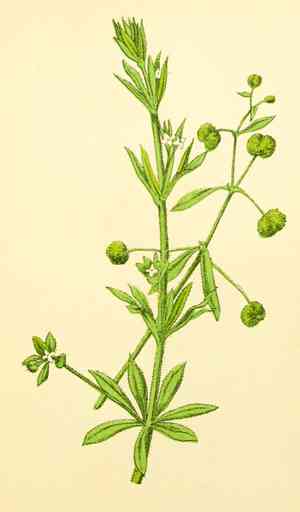
Oregon bedstraw (Galium oreganum)
Also known as: Oregeon Bedstraw
A perennial herb native to the lush, moist forests of the Pacific Northwest is the False Solomon's Seal. This plant typically grows close to the ground, featuring narrow, lance-shaped leaves along its arching stems. In late spring to summer, it produces small clusters of white flowers. Preferring the understory, False Solomon's Seal contributes to the rich greenery and biodiversity of the region.
In This Article
Attributes of Oregon bedstraw
Lifespan
Perennial
Plant Type
Herb
Plant Height
20 cm to 30 cm
Spread
N/A
Leaf Color
Green
Flower Size
1-2 mm
Flower Color
White
Images of Oregon bedstraw
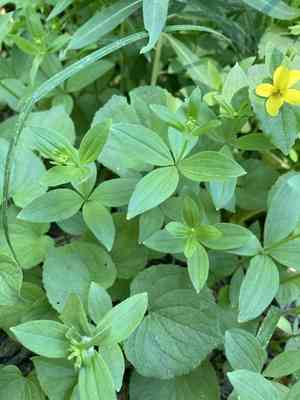
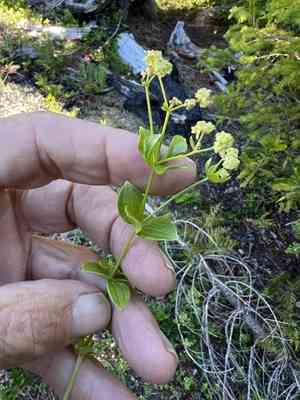
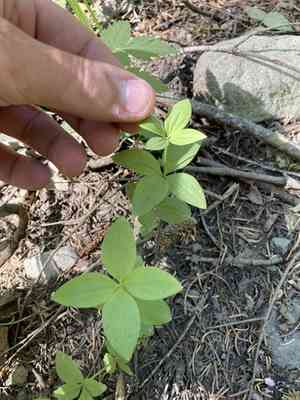
Quickly Identify Oregon bedstraw
1
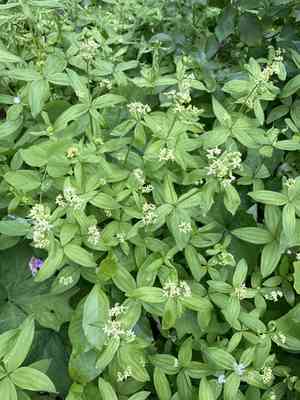
Oregon bedstraw can be identified by its whorls of narrow leaves and tiny white flowers. The stems are smooth and square in cross-section. Flowers are typically arranged in small clusters.
Scientific Classification of Oregon bedstraw
Phylum
Vascular plants
Class
Dicotyledons
Order
Gentianales
Family
Madder
Genus
Bedstraws
Species
Oregon bedstraw
Planting and Growing of Oregon bedstraw
Care Difficulty
Moderate
Watering Schedule
Every 2 days
Sunlight Requirements
Partial sun
Sunshine Duration
4-8 hours
Ideal Temperature
60-75℉
Soil Type
Potting Mix, Peat Mix
Soil pH
6.5-7.5
Fertilizer Type
Balanced
Pruning Season
Spring, Summer
Pruning Area
Branches, Leaves
Pruning Frequency
2 times a year
Repotting Season
Spring
Pot Type
Plastic, Ceramic
 How to Water Oregon bedstraw?
For Galium oreganum, ensure that the soil remains slightly moist but not soggy. Use around 250 ml of water per session. Water gently until you see some water slightly draining out from the bottom of the pot, ensuring each section of the soil has absorbed moisture evenly.
What are the symptoms of an underwatered Oregon bedstraw?
›
What should I do if my Oregon bedstraw is not getting enough water?
›
What are the symptoms of an overwatered Oregon bedstraw?
›
How to save an overwatered Oregon bedstraw?
›
 What Are the Sunlight Requirements for Oregon bedstraw?
Partial shade to full shade is optimal for Galium oreganum, promoting healthy foliage and mitigating stress, facilitating a balance of growth and sustainability.
What is the best lighting for Galium oreganum?
›
What solutions ensure ideal lighting?
›
What benefits from ideal lighting?
›
 What Is the Ideal Temperature Range for Oregon bedstraw?
For Galium oreganum, the ideal temperature range for optimal growth lies between 60°F and 75°F. Within this range, the plant can thrive and maintain its physiological processes efficiently. This temperature range promotes healthy photosynthesis and respiration, supporting the overall vigor and growth of the plant. It provides a stable environment where metabolic functions can proceed without stress, ultimately enhancing both the quality and quantity of growth.
 What Soil is Best for Oregon bedstraw?
Galium oreganum thrives in well-draining soil to prevent root rot. With effective drainage, oxygen can penetrate to the roots, ensuring healthy growth and a robust plant structure. This plant benefits from a nutrient-dense substrate that ensures a steady supply of essential minerals and nutrients. Such a base supports its lush green foliage and continuous healthy growth. Though Galium oreganum prefers well-draining soils, it also needs slight moisture retention for steady, slow release. This balance helps sustain the plant during dry spells.
 How to Fertilize Oregon bedstraw?
Galium oreganum, known for its delicate appearance, requires a balanced approach to fertilization. Use a mild liquid fertilizer diluted to half-strength, approximately 10-15 ml per liter of water, or a slow-release fertilizer at a rate of 1 kg per 10 square meters.
 How to Prune Oregon bedstraw?
While it's essential to prune for shape and health, excessive pruning can stress Galium oreganum. Remove no more than one-third of the plant's total mass at a time to ensure a robust recovery. Avoid pruning during late autumn or winter, as this can expose new growth to frost damage. Additionally, pruning in the height of summer should be avoided to prevent excess stress under hot conditions.
More About Pruning Techniques→
 How to Propagate Oregon bedstraw plant?
1
Begin by soaking the seeds in warm water for 24 hours to soften the seed coat. This step is crucial as it helps speed up germination by promoting water absorption.
2
Select a healthy, non-flowering stem of the parent plant. Cut a 4-6 inch segment below a leaf node with your pruning shears. Ensure the cutting has several nodes, as these will develop roots.
3
Carefully lift a mature plant from the soil and gently divide the root ball into smaller sections. Each section should contain a few shoots and a portion of the root system to ensure successful regrowth.
 How to Repot Oregon bedstraw plant?
1
Galium oreganum generally signals the need for repotting when its roots become visible at the drain holes or start to grow in a circular pattern inside the pot. Spring or summer is the ideal time as the plant is actively growing and can readily adapt to its new environment.
2
Select a pot that is only slightly larger than the current one to prevent excess soil moisture, which can lead to root rot. Opt for a pot with several drainage holes; this ensures proper water flow and prevents waterlogging, aiding in maintaining optimal root health.
3
Use a well-draining potting mix, which may consist of a combination of peat, perlite, and pine bark. This mix allows for adequate aeration, essential for healthy root development, and helps prevent compacted soil conditions, which can thwart plant health.



