How to Prune San diego bedstraw?
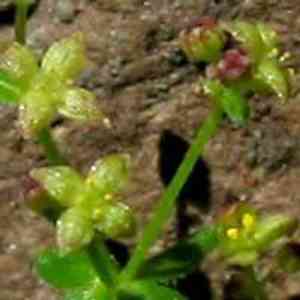
Galium nuttallii is distinguished by its fine, spiraled foliage and tiny white blossoms. Perform trimming in early spring or late winter to foster robust development. Cut back sprawling limbs and eliminate any lifeless or compromised stalks. Consistent shaping aids in preserving its structure and stimulates abundant flowering. Verify that pruning tools are sanitized to avert illness. Appropriate trimming not only improves the plant's aesthetic but also bolsters its general health and hardiness.
Advantages of Trimming San Diego Bedstraw
Advantages of Trimming San Diego Bedstraw
Trimming san diego bedstraw encourages vigorous development and helps maintain its desired form. It fosters robust growth, enhances blooming, manages plant size, and improves overall appearance while resisting pests and diseases.
Optimal Time for Trimming San Diego Bedstraw
Optimal Time for Trimming San Diego Bedstraw
Trimming san diego bedstraw during early spring or late winter is recommended due to its dormant state. This timing minimizes plant stress as it hasn't yet used energy for new growth. Additionally, pruning during these seasons promotes healthier, stronger growth once the plant enters its active spring phase. These periods also allow gardeners to shape the plant before it flowers, leading to more aesthetically pleasing and manageable growth.
Necessary Tools for Trimming San Diego Bedstraw
Hand Pruners
Perfect for cutting small stems and branches, providing accurate cuts essential for maintaining the plant's shape and health.
Bypass Pruners
These deliver clean cuts without crushing stems, which is vital for preventing disease and encouraging healthy growth.
Pruning Shears
Useful for more extensive trimming tasks and can handle thicker stems, ensuring the plant doesn't become overgrown and maintains good air circulation.
Pruning Knife
For detailed work, such as precisely removing small, unwanted growths or dead stems.
How to Trim San Diego Bedstraw
Inspect
Regularly check san diego bedstraw for signs of diseased or withered leaves. This helps identify plant parts needing trimming.
Tool preparation
Prepare clean and sharp pruning shears. Sanitizing your tools before use reduces the risk of disease transmission.
Remove diseased leaves
Carefully cut off any diseased leaves. Ensure you cut close to the leaf stem's base without harming healthy tissue.
Remove withered leaves
Trim away withered leaves by cutting them from the base. Focus on preserving healthy, green leaves to promote growth.
Disposal
Properly dispose of diseased and withered leaves. Do not compost these leaves as they may contain pathogens.
Common Trimming Errors with San Diego Bedstraw
Excessive trimming
Removing too much foliage or stems can stress san diego bedstraw, leading to poor health and reduced flowering. This error is often made by eager, inexperienced gardeners trying to quickly shape the plant.
Incorrect cutting methods
Using dull or dirty tools can cause jagged cuts, which can invite disease and pests. Proper clean, sharp tools are essential for making clean cuts.
Trimming at the wrong nodes
Cutting too close to the main stem or at an incorrect angle can damage the plant. Cuts should be made just above a node to encourage healthy regrowth.
Ignoring dead or diseased wood
Failing to remove dead or diseased branches can spread disease and hinder the plant's growth. Always inspect and clean the plant before trimming.
Disregarding the plant's natural form
Trimming without considering san diego bedstraw's natural growth habit can result in an unattractive and irregular shape, diminishing its aesthetic appeal.
General Trimming Advice for San Diego Bedstraw
Plan your cuts
Before starting, examine the plant for any dead, diseased, or damaged branches and remove those first. Then, decide which parts require light thinning or shaping.
Use sharp, clean tools
Always use sharp, sterilized pruning shears to make clean, precise cuts. This minimizes infection risk and promotes faster healing.
Make cuts at a 45-degree angle
Ensure your cuts are angled away from the bud or node, which aids water runoff and reduces the risk of fungal infections.
Light trimming for shaping
Focus on light trimming to maintain the plant's natural form. This involves removing no more than one-third of the plant's total growth at a time.
Promote air circulation
Thin out dense areas to improve air circulation and sunlight penetration, which helps prevent disease and encourages robust growth.
Be patient
Allow san diego bedstraw time to respond to trimming. Monitor its growth and avoid frequent heavy trimming, which can stress the plant and hinder its development.



