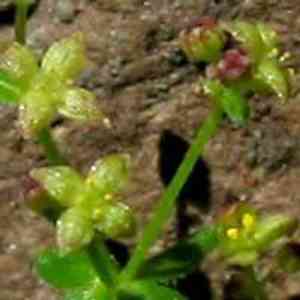
San diego bedstraw (Galium nuttallii)
Also known as: Climbing bedstraw
San Diego bedstraw (Galium nuttallii), a member of the coffee family, is native to Southern California and Baja California. This plant thrives in coastal sage scrub and chaparral environments, often found in pine woodlands and inland hills. Its name reflects its prevalence in the San Diego region.
In This Article
Attributes of San diego bedstraw
Lifespan
Perennial
Plant Type
Herb
Plant Height
Up to 30 cm (12 inches)
Spread
N/A
Leaf Color
Green
Flower Size
Less than 1 cm
Flower Color
White
Images of San diego bedstraw
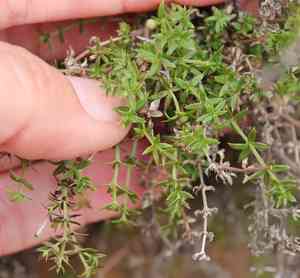
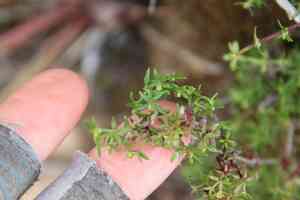
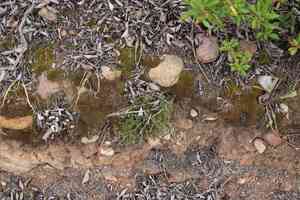
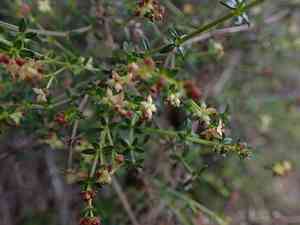
Quickly Identify San diego bedstraw
1
Look for the small, white, four-petaled flowers and whorled leaf arrangement. The plant often forms mats and has a square stem.
Scientific Classification of San diego bedstraw
Phylum
Vascular plants
Class
Dicotyledons
Order
Gentianales
Family
Madder
Genus
Bedstraws
Species
San diego bedstraw
Planting and Growing of San diego bedstraw
Care Difficulty
Moderate
Watering Schedule
Every 2 days
Sunlight Requirements
Full sun
Sunshine Duration
6-8 hours
Ideal Temperature
60-75℉
Soil Type
Potting Mix, Peat Mix
Soil pH
6-7.5
Fertilizer Type
Balanced
Pruning Season
Spring, Summer
Pruning Area
Branches, Leaves
Pruning Frequency
2 times a year
Repotting Season
Spring
Pot Type
Plastic, Ceramic
 How to Water San diego bedstraw?
For Galium nuttallii, the ideal watering amount should strike a balance that maintains soil moisture without causing waterlogging. This plant prefers moderate watering—enough to moisten the soil but not so much that it becomes soggy or waterlogged. When watering, aim to keep the soil consistently damp, similar to the moisture level of a wrung-out sponge.
What are the symptoms of an underwatered San diego bedstraw?
›
What should I do if my San diego bedstraw is not getting enough water?
›
What are the symptoms of an overwatered San diego bedstraw?
›
How to save an overwatered San diego bedstraw?
›
 What Are the Sunlight Requirements for San diego bedstraw?
Galium nuttallii ideally thrives under partial sun, with filtered light conditions fostering vibrant growth and health, aiding in optimal photosynthetic efficiency.
How much light does Galium nuttallii need?
›
Where should I place Galium nuttallii for optimal light?
›
What are the benefits of providing Galium nuttallii the ideal light?
›
 What Is the Ideal Temperature Range for San diego bedstraw?
The ideal temperature range for growing Galium nuttallii is between 60°F and 75°F. This range ensures the plant's metabolic processes occur optimally, providing a balance between photosynthesis and respiration. Maintaining this temperature range supports healthy growth and flowering.
 What Soil is Best for San diego bedstraw?
Galium nuttallii thrives in well-draining soil, which prevents root rot by ensuring that water doesn't accumulate around the roots. This allows the plant to access adequate oxygen and nutrients, promoting healthy growth. This plant benefits from soil with moderate nutrient content, providing sufficient nutrients for growth without causing an excess that might lead to weak or leggy growth. A balanced nutrient soil helps maintain vibrant green foliage and robust stems. Incorporation of organic matter into the soil improves soil structure and fertility, aiding Galium nuttallii in establishing a strong root system. Organic matter also enhances microbial activity, which supports nutrient uptake and soil health.
 How to Fertilize San diego bedstraw?
For Galium nuttallii, apply a balanced liquid fertilizer diluted to half the recommended strength. When using slow-release granules, use around 20 grams per plant per application, distributed evenly around the base.
 How to Prune San diego bedstraw?
Begin by identifying nodes on the stem where leaves or branches diverge. These are prime areas to make cuts, as pruning above a node can stimulate new branch growth, enhancing the plant's structure. Make cuts at a 45-degree angle to prevent water from collecting on the cut surface. This method reduces the chance of rot and promotes quicker healing of the stem. Start by removing any dead or diseased branches. These can harbor pests or diseases, and their removal not only helps the plant look better but also improves its overall health.
More About Pruning Techniques→
 How to Propagate San diego bedstraw plant?
1
Start by selecting healthy, viable seeds. Choose seeds that are plump and free from discoloration. Store them in a cool, dry place until planting to maintain their viability.
2
Use a well-draining soil mix in the seed trays. Pre-moisten the soil to ensure even moisture distribution and ease of handling the seeds during sowing.
3
Sow the seeds lightly on top of the soil, pressing them slightly into the surface. Do not bury them too deep; they need light for germination. Cover them with a thin layer of vermiculite.
 How to Repot San diego bedstraw plant?
1
Monitor the roots emerging from the drainage holes or if the soil seems to dry out too quickly. These are signals that it's time to repot Galium nuttallii. Choosing the right moment ensures vitality and promotes healthy growth.
2
Select a pot that is one size larger than the current pot with adequate drainage holes. This prevents water stagnation, reducing the risk of root rot while providing ample space for the roots to spread.
3
Opt for a well-draining sandy loam that suits the native habitat of Galium nuttallii. This type of soil aids in proper drainage, prevents root rot, and offers sufficient nutrients for the plant's growth.
Learn More About San diego bedstraw Diseases
Anthracnose
Bacterial Leaf Spot
Bacterial Wilt
Black Spot
Chemical Injury
Damping-off
Downy Mildew
Drought Stress
Fusarium Wilt
Gray Mold
Leaf Curl
Leaf Spot
Mosaic
Nutrient Deficiency
Nutrient Toxicity
Powdery Mildew
Root Rot
Root-knot Nematode
Rusts
Sooty Mold
Spider Mites
Temperature Stress
Thrips Damage
White Mold



