How to Prune Licorice bedstraw?
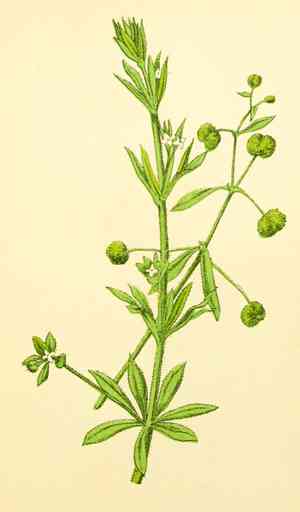
This enduring herbaceous variety flourishes in forested areas and open spaces, identifiable by its spiraled foliage and tiny white blossoms. To ensure peak vitality and development, trim licorice bedstraw in the latter part of spring or early summer subsequent to its blooming period. Cut back any lifeless or excessively long stalks to preserve its form and stimulate fresh development. Consistent trimming deters excessive density, fosters air movement, and diminishes the likelihood of illness. Focus on eliminating compromised sections to improve the plant's visual appeal and strength.
What Are the Benefits of Pruning Licorice Bedstraw?
What Are the Benefits of Pruning Licorice Bedstraw?
For licorice bedstraw, trimming promotes strong development and keeps its desired form, which is crucial for both visual appeal and managing garden space.
What Is the Best Time for Pruning Licorice Bedstraw?
What Is the Best Time for Pruning Licorice Bedstraw?
Trimming or cutting licorice bedstraw in late spring or early summer coincides with the plant's period after flowering. During this time, the danger of frost damage has passed, and the plant is entering a strong growth phase. Pruning in these seasons fosters healthy new growth while minimizing stress on licorice bedstraw. It also enables gardeners to shape the plant and control its size before its most active growth. Furthermore, removing spent blooms or any dead or diseased foliage after the flowering period can improve air circulation, lessen disease occurrence, and boost the overall vitality of licorice bedstraw.
What Tools Do I Need to Prune Licorice Bedstraw?
Hand Pruners
Ideal for precise cuts to remove dead or overgrown branches of licorice bedstraw, ensuring minimal harm to the plant.
Pruning Shears
Perfect for shaping licorice bedstraw and maintaining its preferred form, as these shears allow for accurate cutting of smaller stems.
Gardening Gloves
Necessary for protecting the gardener's hands when handling licorice bedstraw, which may have fine, abrasive stems.
How to Prune Licorice Bedstraw
Sterilize
Before beginning the trimming process, sanitize all pruning tools with a solution of one part bleach to nine parts water to prevent infection.
Identify
Examine licorice bedstraw closely to locate diseased and withered leaves, as well as any unhealthy stems that require removal.
Prune leaves
Using sharp scissors or pruners, carefully snip off the diseased and withered leaves at their base, being careful not to harm any healthy surrounding foliage.
Prune stems
For diseased stems, make cuts just above a healthy leaf node or a branching point to encourage new growth. Ensure cuts are clean and angled to prevent water accumulation that could lead to rot.
Disposal
Gather all removed diseased leaves and stems and discard them away from the garden to reduce the spread of any disease.
Common Pruning Mistakes with Licorice Bedstraw
Over-pruning
Removing too much growth at once can stress licorice bedstraw, leading to reduced vigor and sparse foliage. Aim to remove no more than one-third of the plant at a time.
Improper cut placement
Cuts made too far from a node can result in unsightly stubs, while cuts too close can damage the node. Make cuts just above a node, where growth can continue in a controlled manner.
Uneven pruning
Trimming licorice bedstraw unevenly can result in an imbalanced appearance and potentially hinder growth. Strive for uniform cuts to maintain the shape and health of the plant.
Pruning without sterilization
Using unsterilized tools can spread diseases between plants. Always use clean, sharp tools to make precise cuts and prevent infection in licorice bedstraw.
Neglecting dead or diseased material
Forgetting to remove dead or diseased stems can limit licorice bedstraw's growth and attractiveness. It can also promote the spread of disease organisms within the plant.
Common Pruning Tips for Licorice Bedstraw
Selective thinning
Remove specific stems to increase light penetration and air circulation within the core of licorice bedstraw, which encourages robust growth and reduces the risk of disease.
Encouraging new shoots
Prune licorice bedstraw just above a healthy node to encourage the development of new shoots, which leads to a fuller and more vibrant plant.
Maintain plant architecture
Prune licorice bedstraw to maintain its natural shape, focusing on judicious cuts that enhance rather than alter its growth pattern.
Post-bloom pruning
After licorice bedstraw has finished blooming, trim faded flowers and any overly vigorous growth. This can help direct the plant's energy towards new blossoms and improved health.
Habitual inspection
Consistently monitor licorice bedstraw for damaged or diseased stems, and prune them away as soon as possible to maintain overall plant health.



